

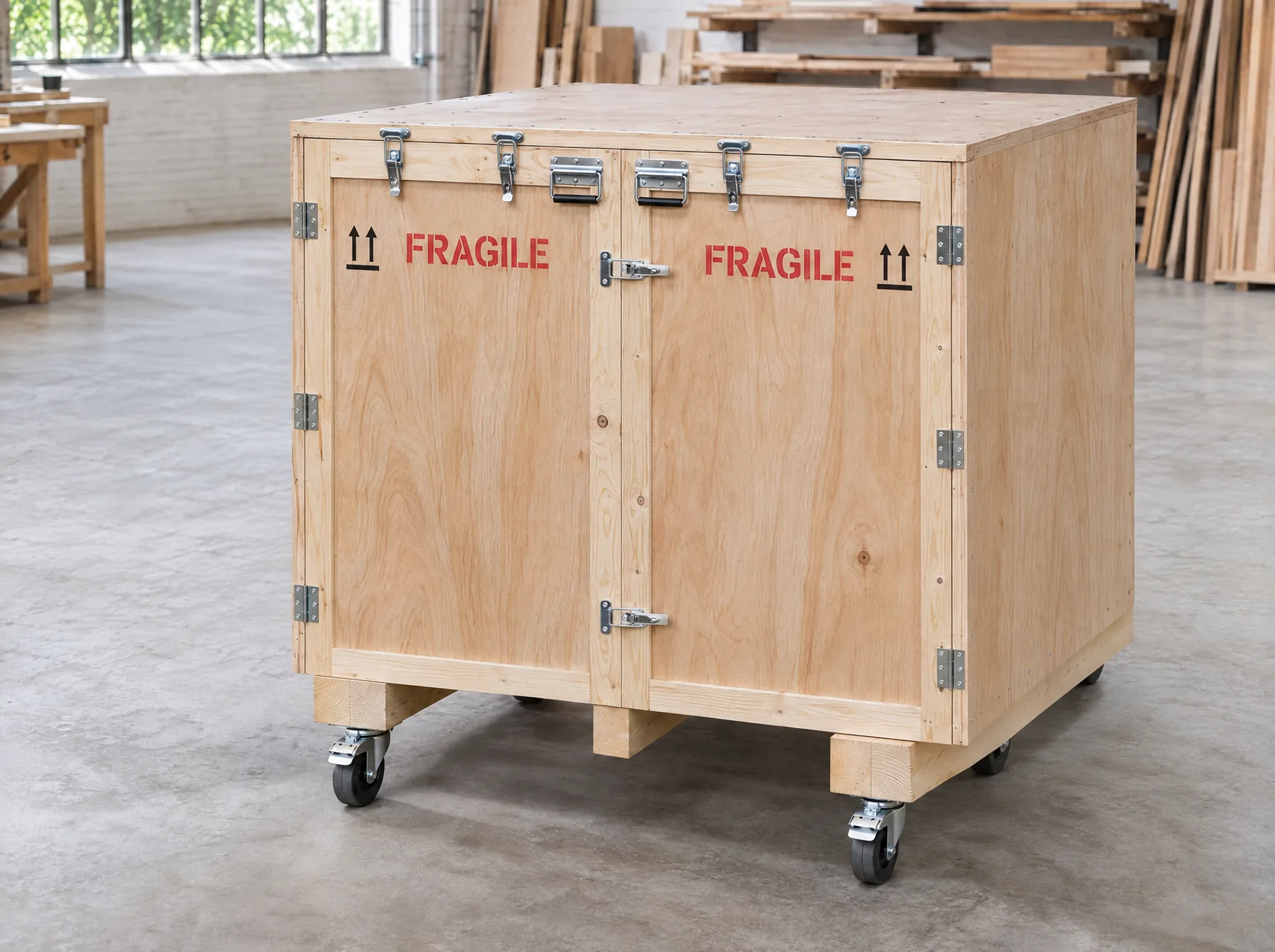
An industrial wooden crate that ended a repair bill
We designed and built bespoke industrial wooden crates with drawers for a manufacturer moving unfinished parts between its factories. For a one-off cost, they removed tens of thousands of pounds a year in repair bills caused by damage in transit.
- Customer
- A manufacturing company
- What moved
- Unfinished components
- Journey
- Regularly, between its factories
- What we built
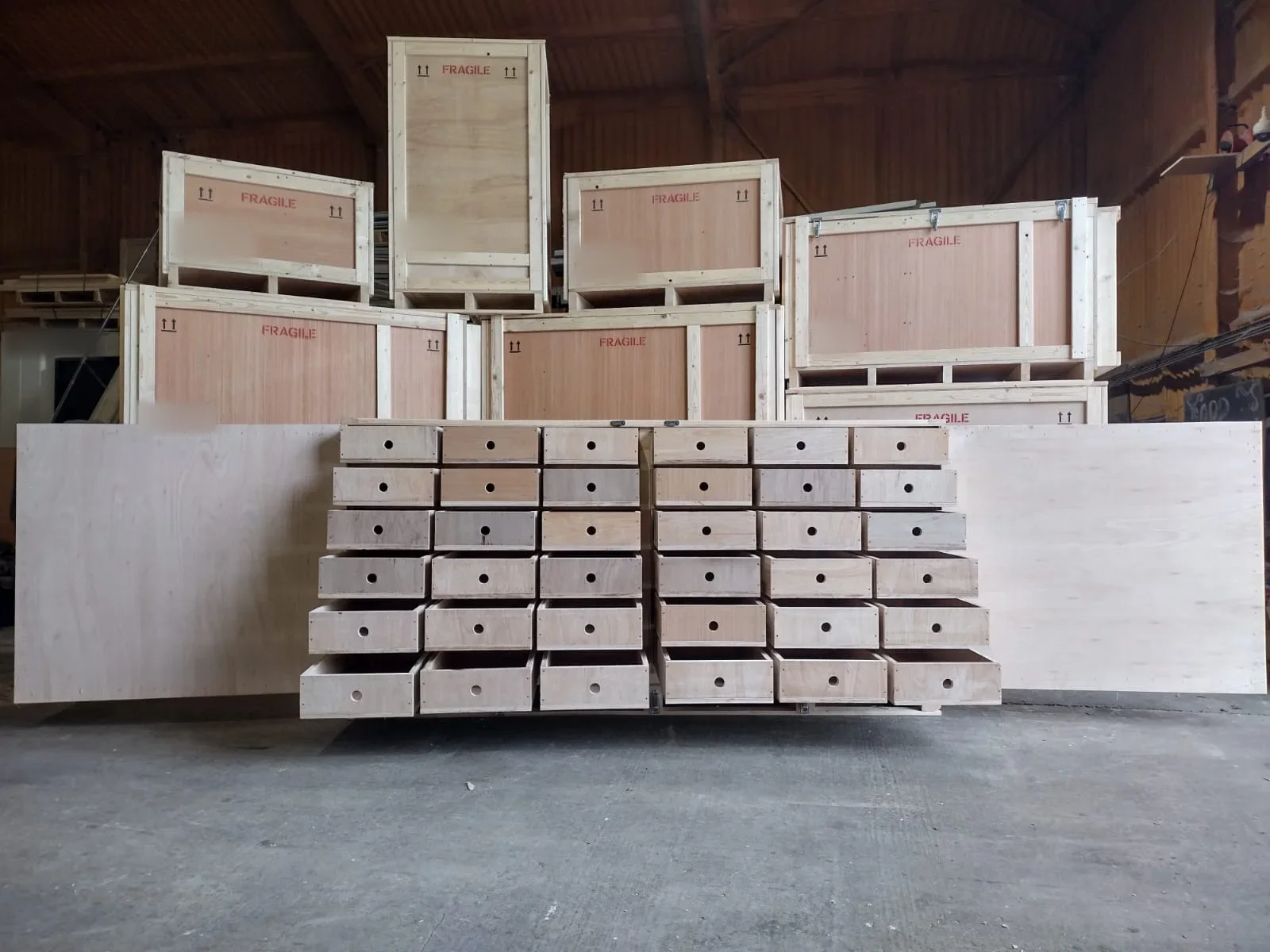
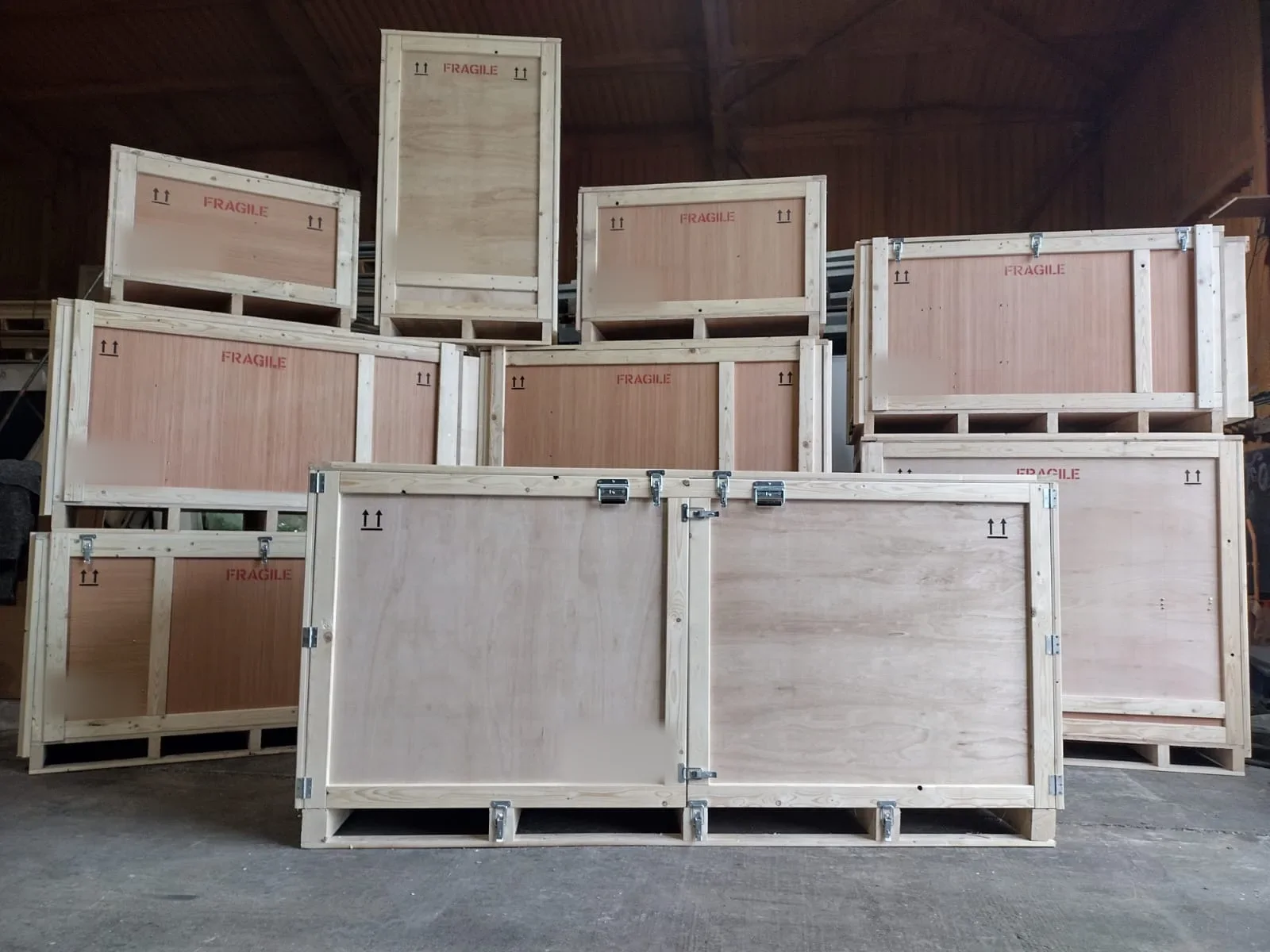
- Bespoke drawer crates in several sizes
- Result
- Tens of thousands of pounds a year saved in repairs
The problem: parts damaged between factories
The manufacturer moved unfinished components between its factory sites on a regular basis. The way they were being transported was damaging parts, and the repairs were costing them a large amount every year.
That's a common story with parts that travel often. Each trip is short, but there are a lot of them, and every knock adds up. Unfinished components can be especially vulnerable: a scratch, dent or chipped edge on a part that hasn't been finished yet can mean rework, or scrapping it altogether.
They needed industrial packaging that would protect the parts on every trip, for the long term, and that their own staff could use every day without any special training.
A manufacturing company.
Unfinished components.
Regularly, between its factories.
Tens of thousands of pounds a year in repairs.
What we built: a custom wooden crate with drawers
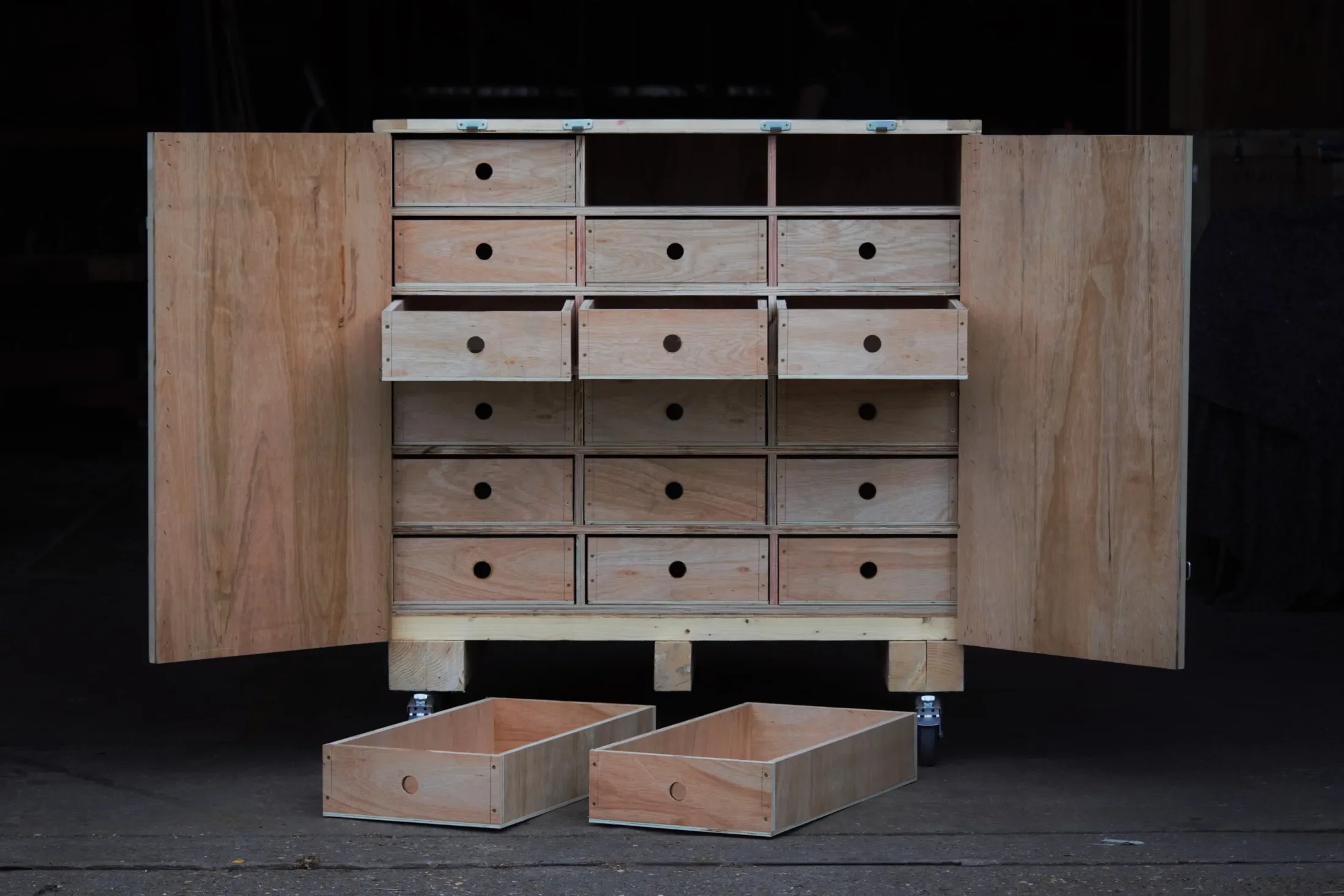
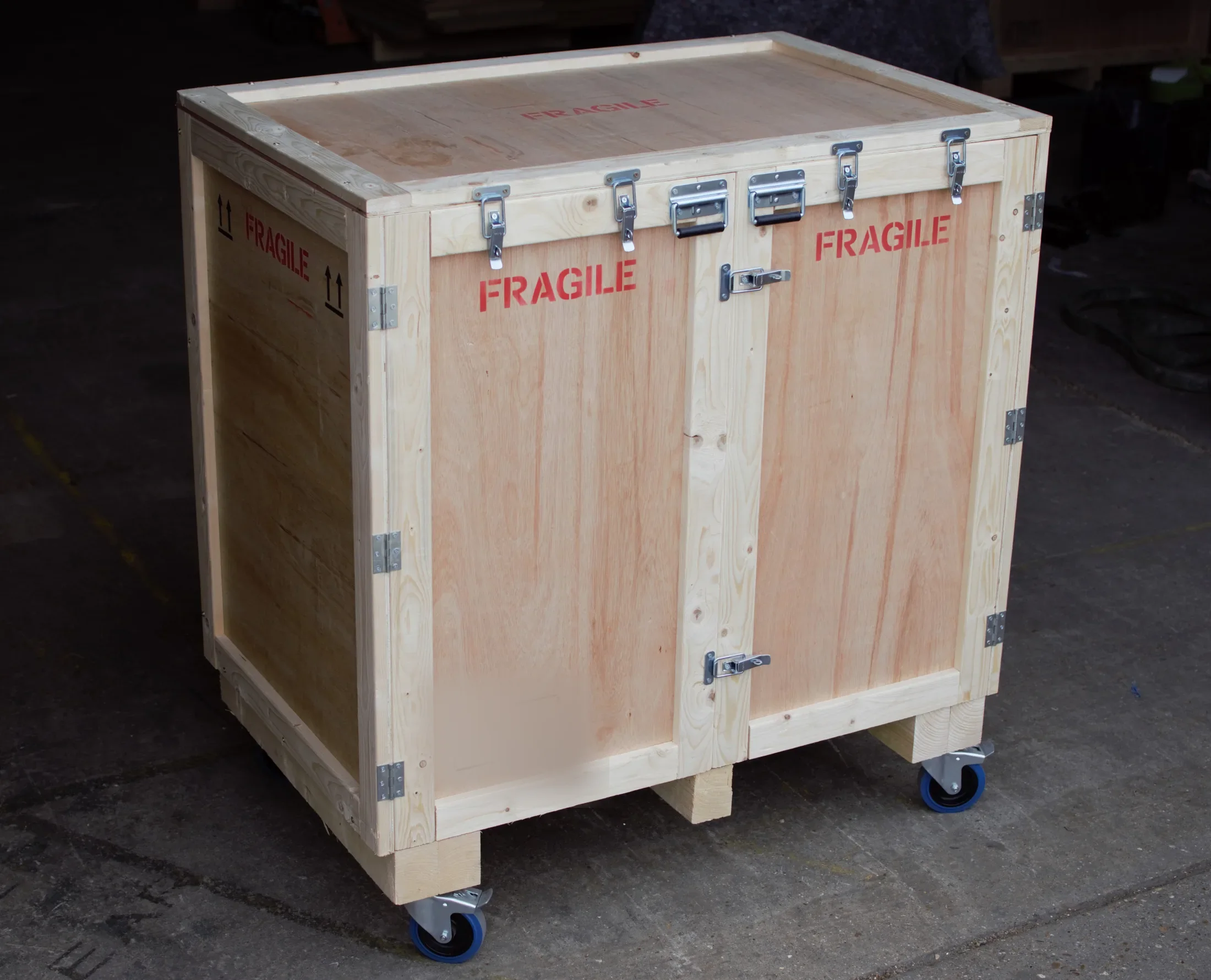
We designed and made custom wooden crates around their parts, with drawers. The parts are stored and moved in the same crate, so they're protected on every trip between factories and don't need to be unpacked and repacked each time.
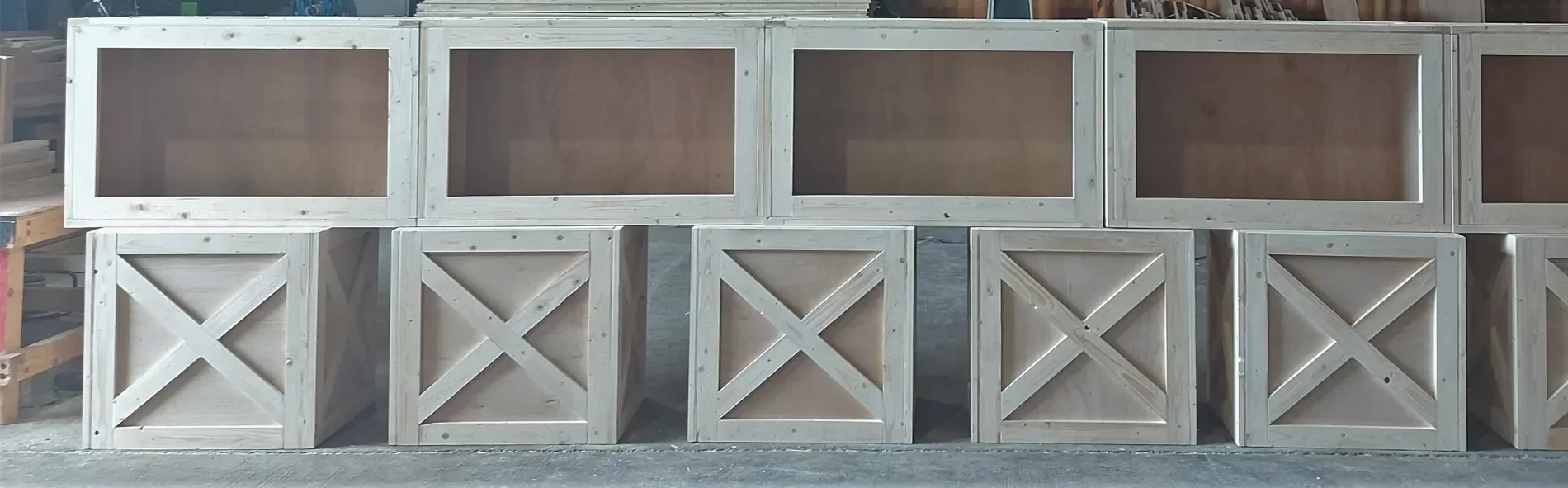
We built the crates in different sizes, all in the same way, to be used again and again as part of their everyday work.
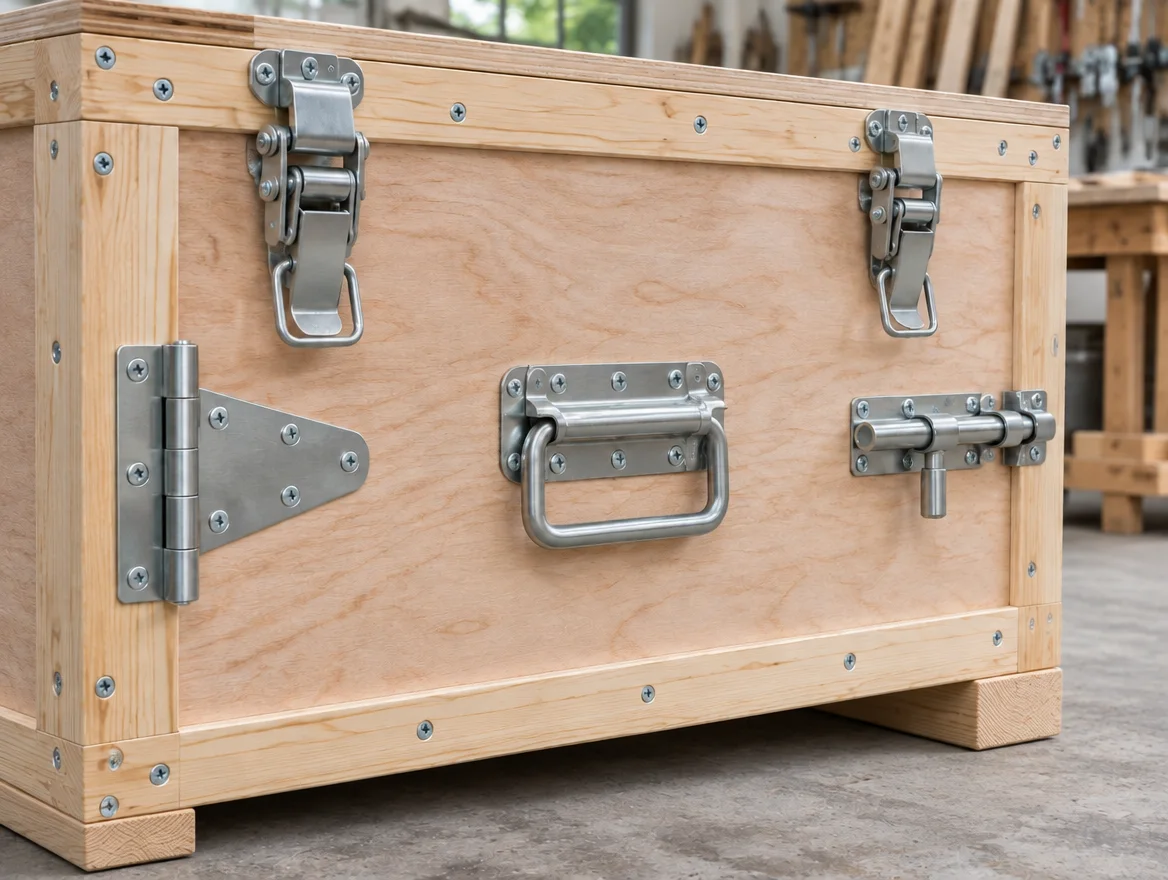
- Outside: hinged doors, toggle latches, bolt locks and castors, so the crate can be closed securely and wheeled around a factory floor.
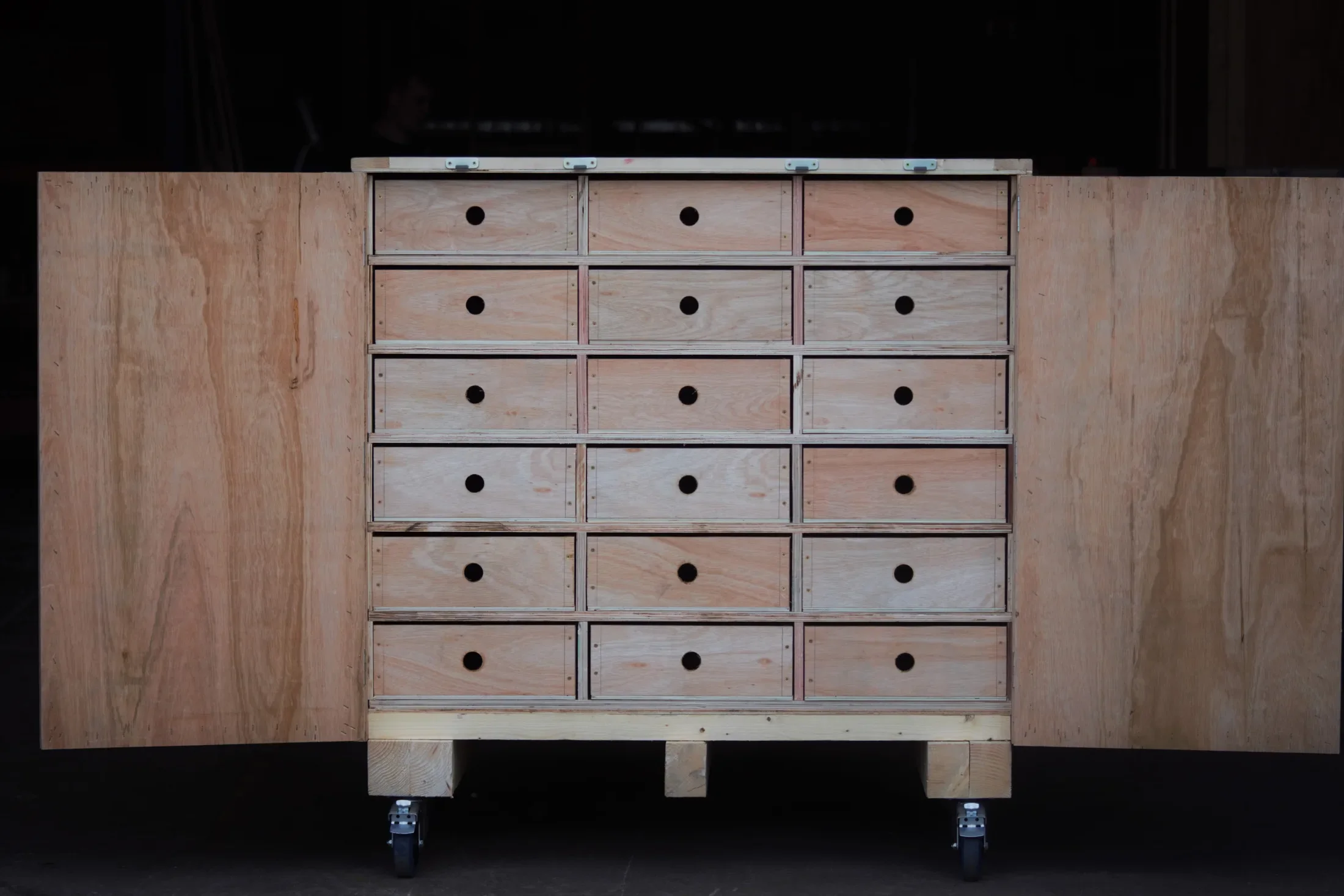
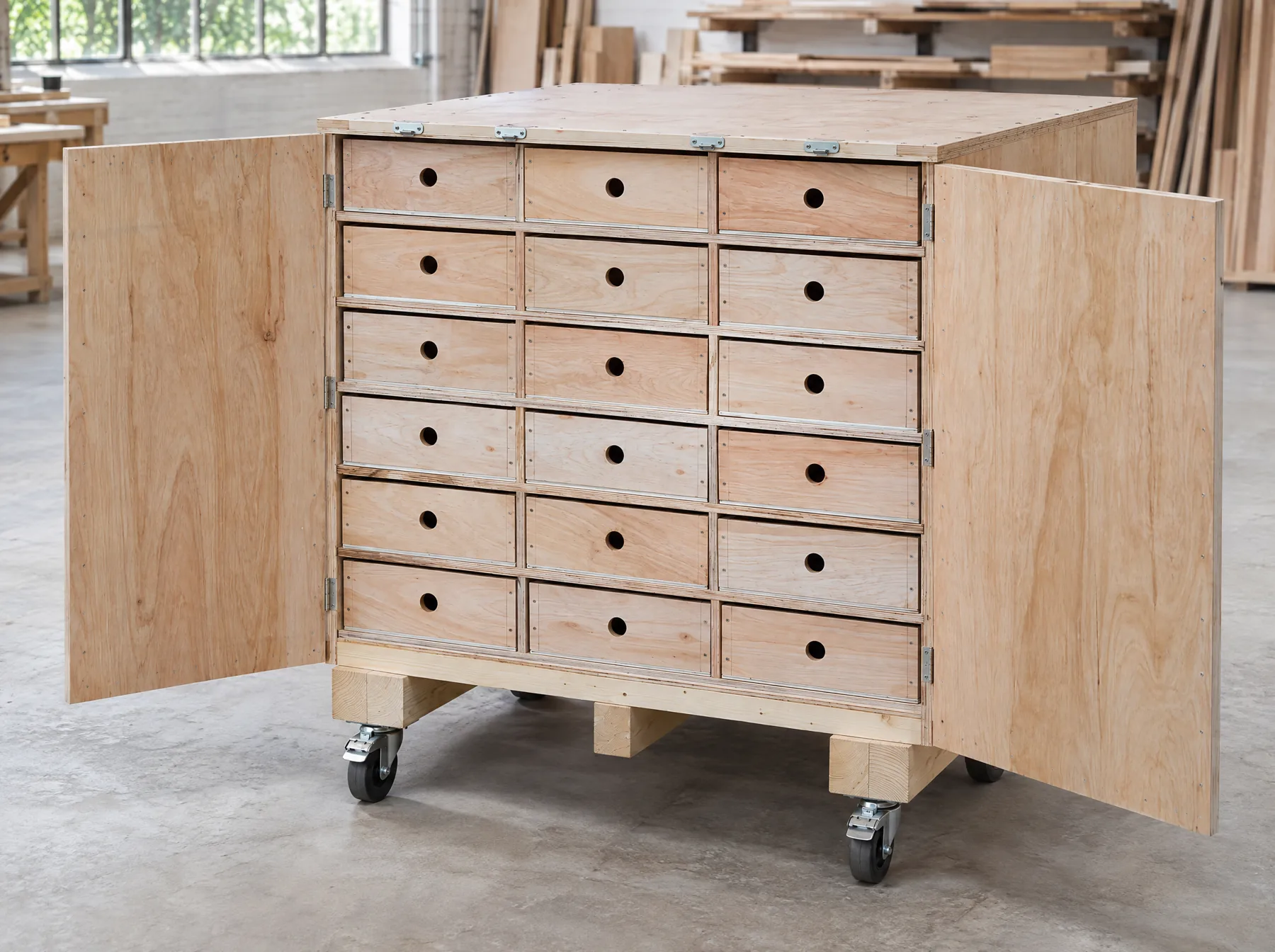
- Inside: removable plywood drawers, so every part has its own place and staff can take out just what they need.
- Hardware: every latch, hinge and bolt lock fitted by hand, in-house.
Why drawers work for parts in transit
A drawer crate solves a few problems at once.
- 01Parts are kept apart
Each part sits in its own drawer, so parts can't knock against each other on the way.
- 02Nothing is repacked
Parts are stored and moved in the same crate. Every time something is unpacked and repacked, there's a chance of damage, and this removes it.
- 03It's easy to use
Staff open the doors and pull out the drawer they need. No foam to cut, no tape, no guesswork.
- 04It lasts
Built in timber and plywood with proper hardware, it's made to be used again and again, not thrown away after one trip.
The result
Bespoke drawer crates, paid for once. The customer no longer loses tens of thousands of pounds a year repairing parts damaged in transit.
It shows how the right industrial packaging solution pays for itself. Disposable packaging costs money every trip. A crate built around the parts costs money once.
One-off investment, tens of thousands of pounds a year in repairs removed.
Send us a photo and the measurements.
We’ll recommend the crate, the lining and the supports, and come back with a bespoke quote.
What it means for similar jobs
If your business moves the same kind of item again and again, between sites, to customers or to and from a supplier, the same thinking can apply. A reusable crate built around the item is worth looking at when:
- Parts or products are arriving damaged, and the repairs or replacements add up.
- Items are unpacked and repacked often, and that's where damage happens.
- The same items make the same journey regularly.
- Staff need to get at items quickly, without unpacking everything.
- Disposable packaging is costing money, and space, every single trip.
Every business is different, so we don't promise the same saving for everyone. But if damage in transit is costing you money, it's worth finding out what a crate built around your parts would cost by comparison.
Crates can be built with drawers, racks, foam inserts or a mix, and on castors or skids depending on how they're moved. If they need to go abroad, solid wood parts usually need to meet ISPM 15: see our ISPM 15 guide.
Reusable crates or disposable packaging?
Plenty of businesses use cardboard, bubble wrap or loose foam for parts that travel often. It's cheap per trip, but it's paid for every trip, and it often fails in the same way each time.
| Disposable packaging | A reusable bespoke crate | |
|---|---|---|
| Cost | Small, but paid every trip | Paid once |
| Fit | Generic, so parts can move | Built around the parts |
| Handling | Packed and unpacked each time | Stored and moved in the same crate |
| Damage | Repeats when the packing fails | Designed out at the start |
| Waste | Thrown away | Used again and again |
Other crates we build for businesses
- Reusable crates for regular trips between sites, with drawers, racks or foam inserts.
- Custom shipping crates for equipment, electronics and machinery parts.
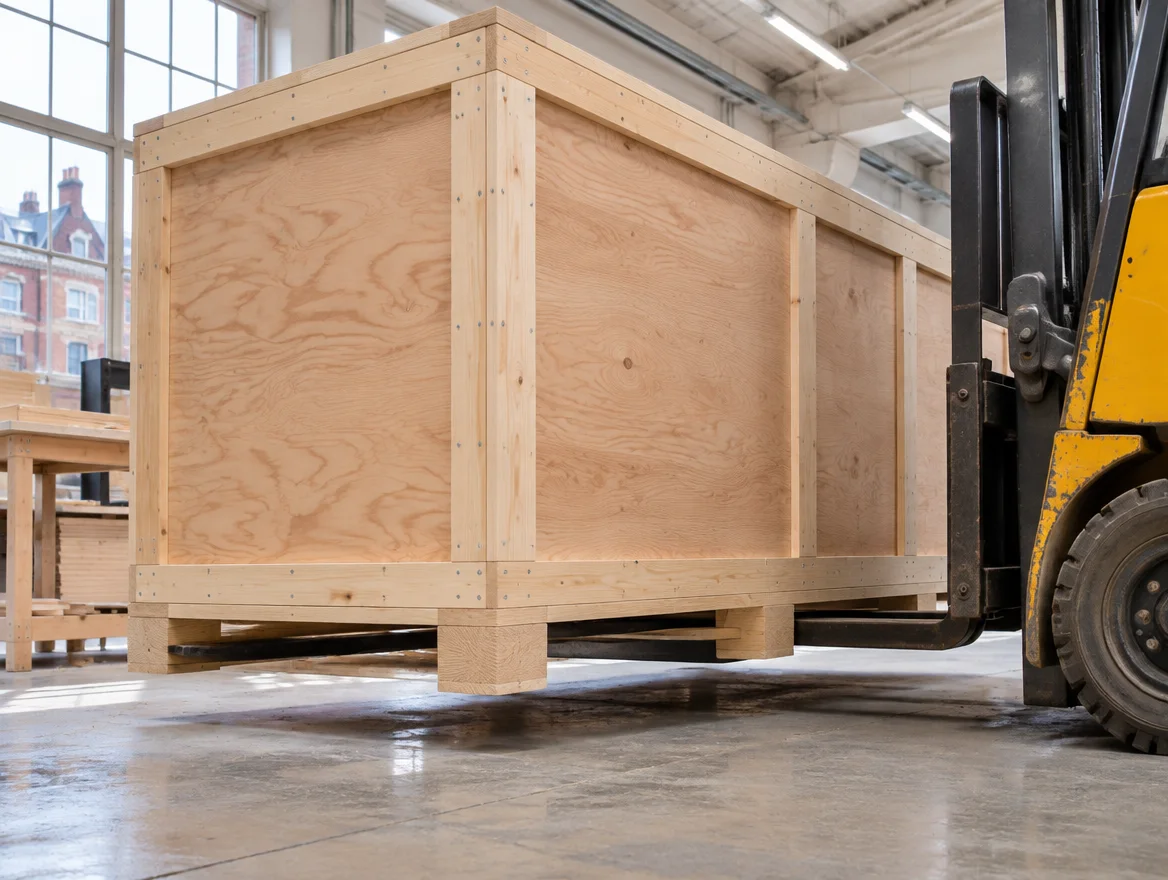
- Heavy duty crates with skids for lifting.
- Crates on castors that work as storage when they're not travelling.
See industrial wooden crates for more.
Questions to ask before you choose industrial packaging
If you're weighing up reusable crates against what you use now, these questions help you see the real cost.
| Question | Why it matters |
|---|---|
| How many items arrive damaged, and what does each repair cost? | This is the number a bespoke crate is measured against. |
| How often do the items travel? | The more trips, the faster a reusable crate pays for itself. |
| Where does the damage happen? | Loading, the journey or unpacking. Each points to a different fix. |
| How are the crates moved on site? | By hand, on castors, by pallet truck or forklift. It decides the base. |
| Do the items need to be stored as well as moved? | If so, drawers or racks can do both jobs. |
| Will any crates go abroad? | Solid timber parts usually need to meet ISPM 15. |
How to start
Send us what you're moving (size, weight, how many, how often) and where it goes. Photos of the parts and of how they travel now help us a lot. We'll design the crate around them and quote for it. See bespoke wooden crates or go straight to request a quote.

Common questions
What is a drawer crate? +
A wooden crate with doors on the front and removable drawers inside, so parts can be stored and moved in the same crate, each in its own place.
Is a bespoke crate worth it for regular shipments? +
If parts are being damaged, usually yes. One customer's drawer crates removed tens of thousands of pounds a year in repairs, for a one-off cost.
Can you build crates in different sizes to one design? +
Yes. For this job we built the crates in different sizes, all in the same way.
Can industrial crates be moved on castors? +
Yes. These crates have castors so they can be wheeled around a factory floor. Heavier crates can have skids for lifting instead.
What are the crates made of? +
Timber and plywood, with hinged doors, toggle latches, bolt locks and removable plywood drawers. All the hardware is fitted by hand, in-house.
Do industrial crates need ISPM 15 to go abroad? +
Usually, for any solid timber parts. Plywood is exempt. Our crates are heat treated and carry our own registered ISPM 15 stamp. See our ISPM 15 guide.
What do you need to quote for an industrial crate? +
What you're moving, its size and weight, how many, how often and where it goes. Photos help.
Need custom shipping crates for your parts?
If your products are getting damaged between sites, send us the details and we'll design a crate around them.