

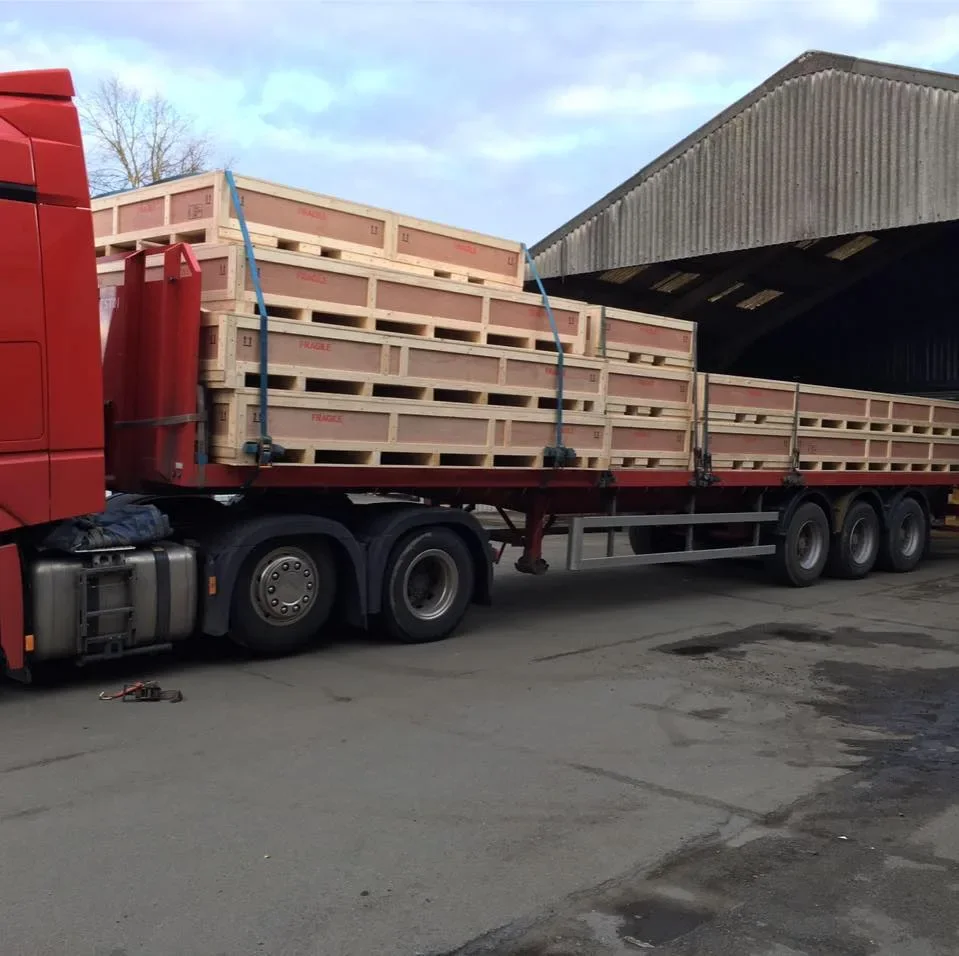
Shipping art and antiques from London to Europe
We ship to Europe regularly. Your piece is collected in London, wrapped by hand, crated to measure and sent on to France, Germany, Switzerland, Italy or wherever it's going. Since Brexit, that's an export and an import. We don't handle the customs paperwork, but this page explains what you or your agent will need to sort, including import VAT, as well as the journey.
- Route
- London to anywhere in Europe
- Often
- Shipped regularly
- Insurance
- Transit cover per job
How do you ship art from the UK to Europe?
Pack and crate it for the journey, declare it for export from the UK, import it into the country it's going to (paying any import VAT), and deliver it. Once your quote is confirmed, we handle the collection, packing, crating and shipping. All we need are the item details and the collection and delivery addresses. The export and import declarations are arranged by you, your shipper or a customs agent.
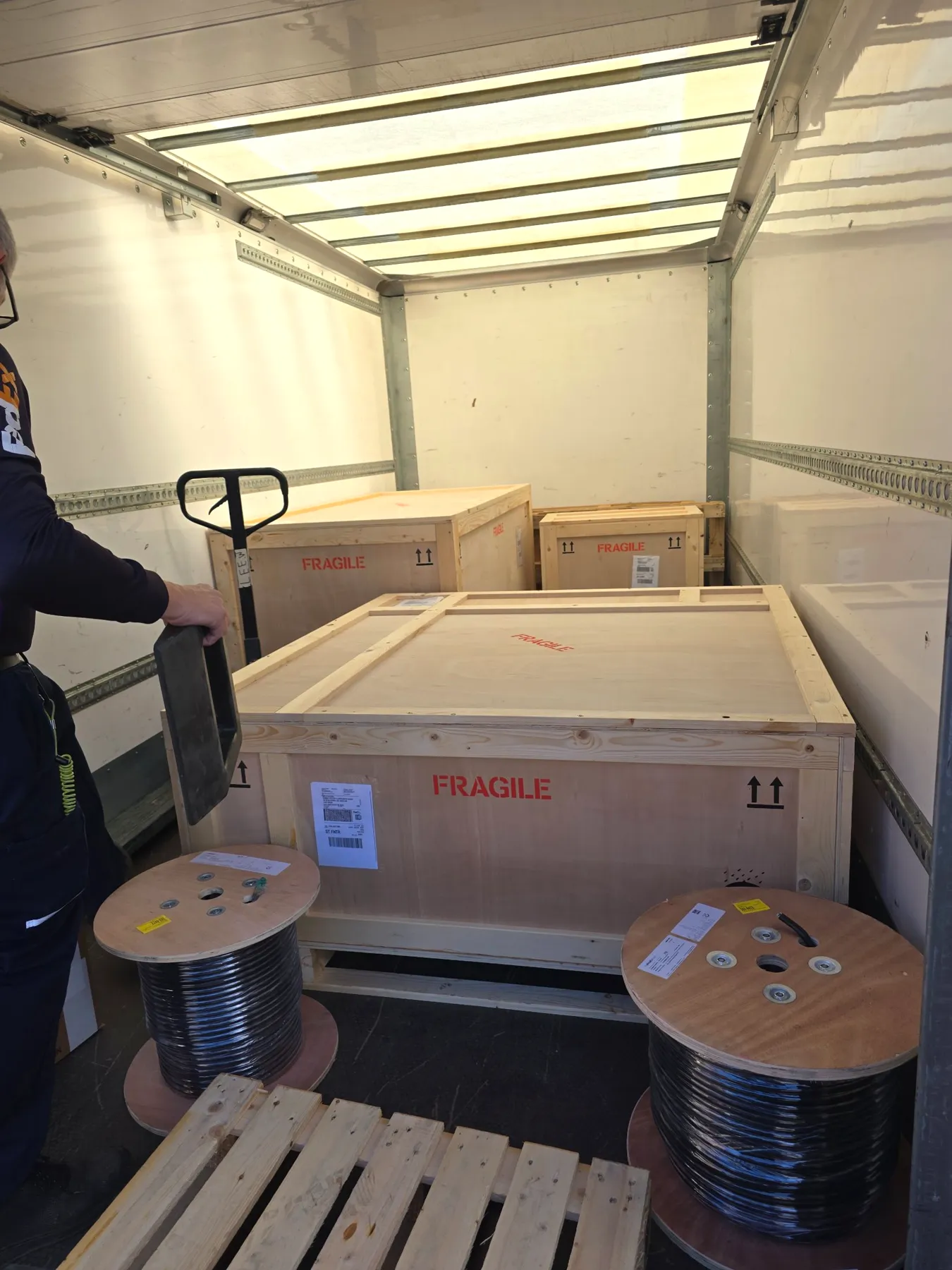
- 01Quote
Tell us what it is, its size and both addresses. Photos help. Every quote is based on your piece.
- 02Collection
We collect it ourselves, in or out of London, 9am to 4pm, 7 days a week.
- 03Packing and crate
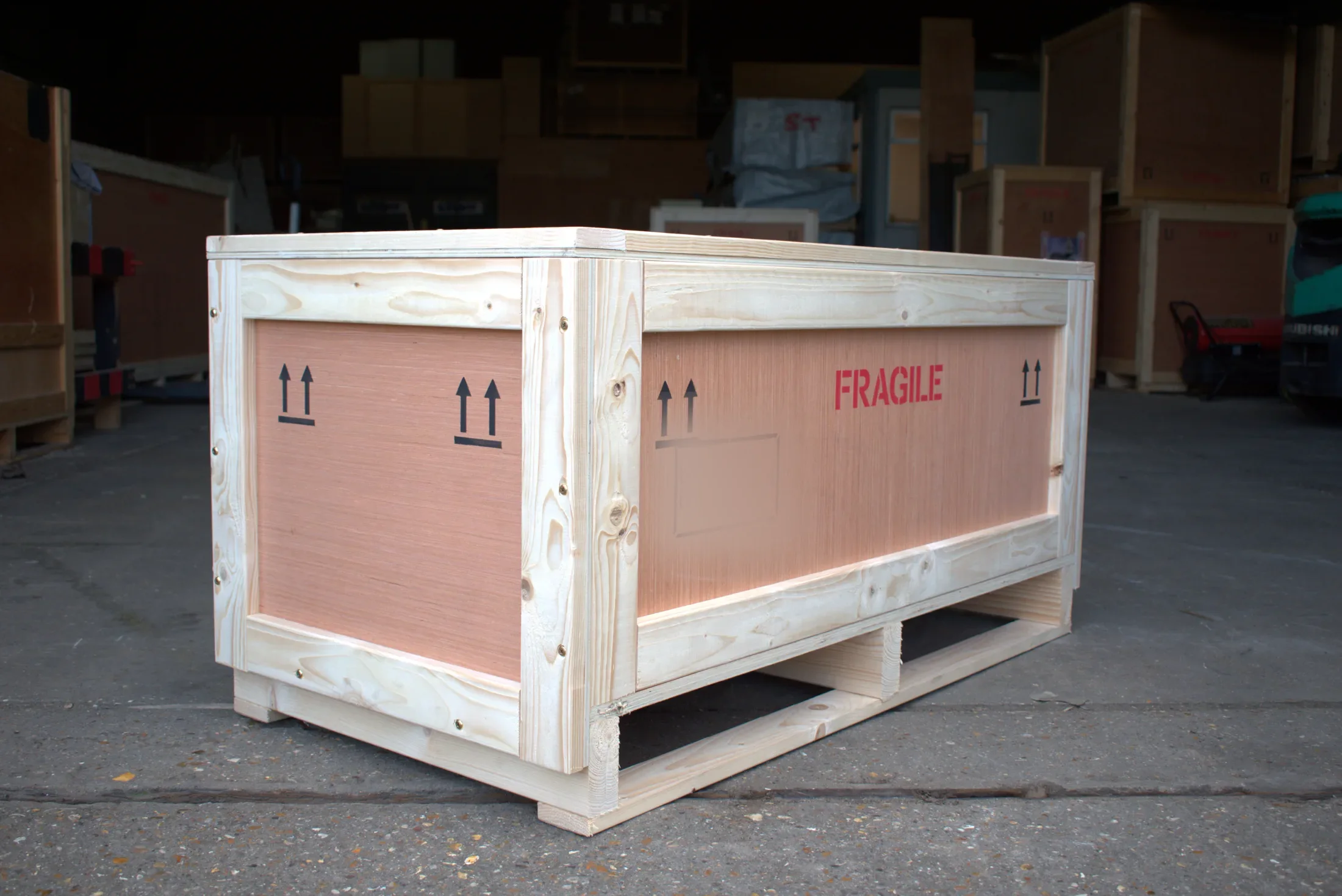
Wrapped by hand and held still with the right lining, in a timber and plywood crate built to measure.
- 04UK export
You, your shipper or a customs agent declare it for export, with any licence an older or valuable piece needs.
- 05EU import
Your importer or their customs agent declares it in the country of arrival. Customs duty is usually nil on original art and antiques, but import VAT is normally due.
- 06Delivery
Sent on to the address you gave us. Ask us whether your quote runs to the door.
What changed after Brexit?
Before 2021, moving a painting from London to Paris was like moving it within one market. Now the UK and the EU are separate customs areas. That means:
- An export declaration when it leaves the UK, and an import declaration when it enters the EU.
- Import VAT at the rate the country of arrival charges on art and antiques.
- Export licences for some older and valuable pieces, from Arts Council England.
- Checks at the border, so accurate descriptions, values and invoices matter more than they used to.
- Wooden crates must usually meet ISPM 15, because the UK is now outside the EU's plant health area.
Import charges are normally paid by whoever is importing the piece in Europe. Agree who pays before it ships, so nobody is surprised at delivery.
Import VAT on art in the EU
There's normally no customs duty on original works of art, collectors' items and antiques coming into the EU, but import VAT is charged on their value. EU law lets each country apply a reduced VAT rate to imports of works of art, collectors' items and antiques, so the rate depends on where the piece is going. Many countries use a lower rate than their standard one.
These are the published rates as we understand them in November 2026. They change, and whether a piece qualifies depends on exactly what it is, for example an original painting rather than a print run or a decorative copy. Check with the tax authority in the country of arrival, or a customs agent, before relying on a figure.
Switzerland isn't in the EU. It has its own customs and import VAT, at its own rate, so check the Swiss position separately.
Going to an exhibition and coming back? Temporary moves can sometimes be made without paying import VAT, for example under an ATA carnet or a temporary admission procedure. This needs arranging before it ships.
| Country | Import VAT on qualifying art and antiques | Note |
|---|---|---|
| France | 5.5% | Reduced rate on imports of art, collectors' items and antiques |
| Germany | 7% | Reduced rate on qualifying works of art; photographs may differ |
| Italy | 5% | Reduced from 22% in 2025 |
| Netherlands | 9% | Reduced rate |
| Belgium | 6% | Reduced rate |
| Other EU countries | Varies | Some use a reduced rate, some the standard rate |
Paperwork for older and valuable pieces
Two sets of rules can apply to older pieces, one on each side.
If you're not sure whether any of this applies, check with your shipper or a customs agent before it ships. We don't handle customs paperwork.
Cultural goods over 50 years old above certain values need an individual export licence from Arts Council England. Below those values, the general licence usually covers them. See the thresholds on our antique shipping page.
Since 28 June 2025, the EU has import controls on some cultural goods made outside it. Archaeological items over 250 years old need an import licence. Some other categories over 200 years old and worth over €18,000 need an importer statement, made by the importer before customs clearance.
Ivory, tortoiseshell, some rosewoods and other protected materials can need CITES permits for both export and import. See the CITES section on antique shipping.
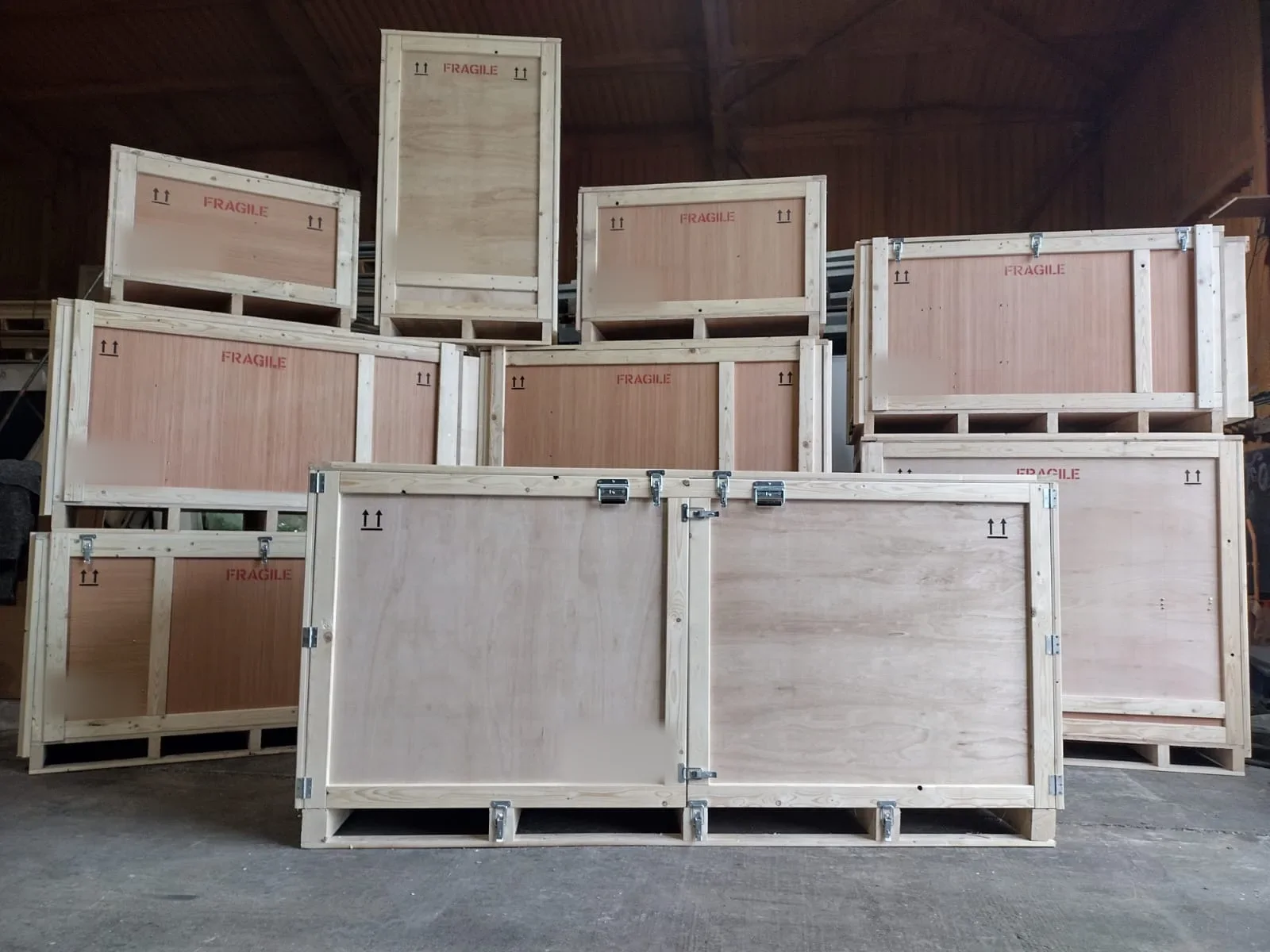
Send us a photo and the measurements.
We’ll recommend the crate, the lining and the supports, and come back with a bespoke quote.
Packing for the journey to Europe
A crate going to Europe by road spends hours on the move: motorway vibration, a ferry or tunnel crossing, loading bays and border checks. A crate built to measure stops the piece moving inside, and the right lining soaks up the vibration.
- Paintings have their surface protected first, then are held on every side so the frame never carries the weight. See paintings.
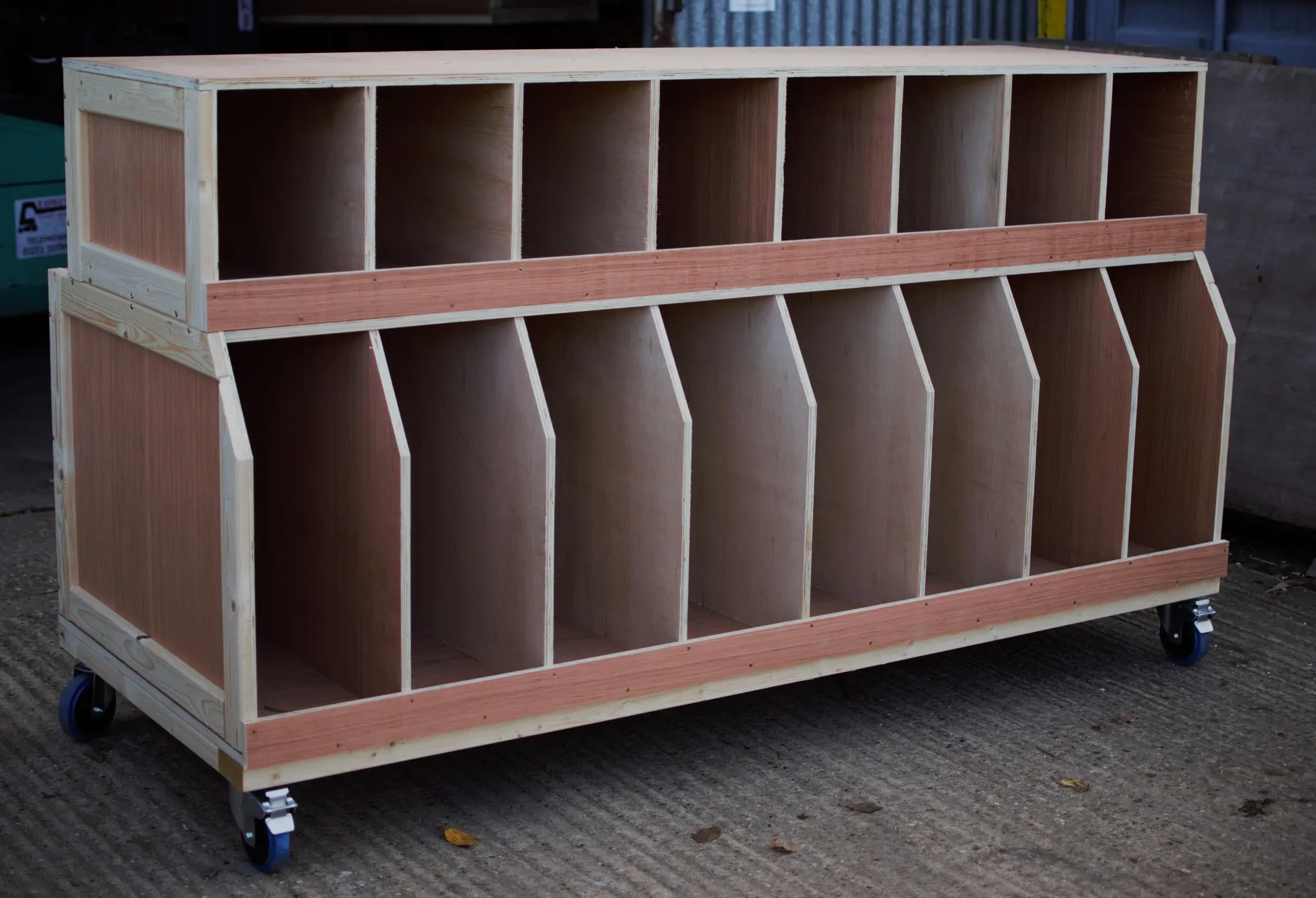
- Several framed works can travel together in a rack crate, each in its own slot.
- Heavy pieces sit on high density foam blocks, so the weight can't shift on the road. See sculpture and heavy pieces.
- Customs checks sometimes mean a crate is opened. Clear labels and accurate paperwork help, and a crate that can be opened and closed again cleanly makes an inspection less risky.
Road, air or sea?
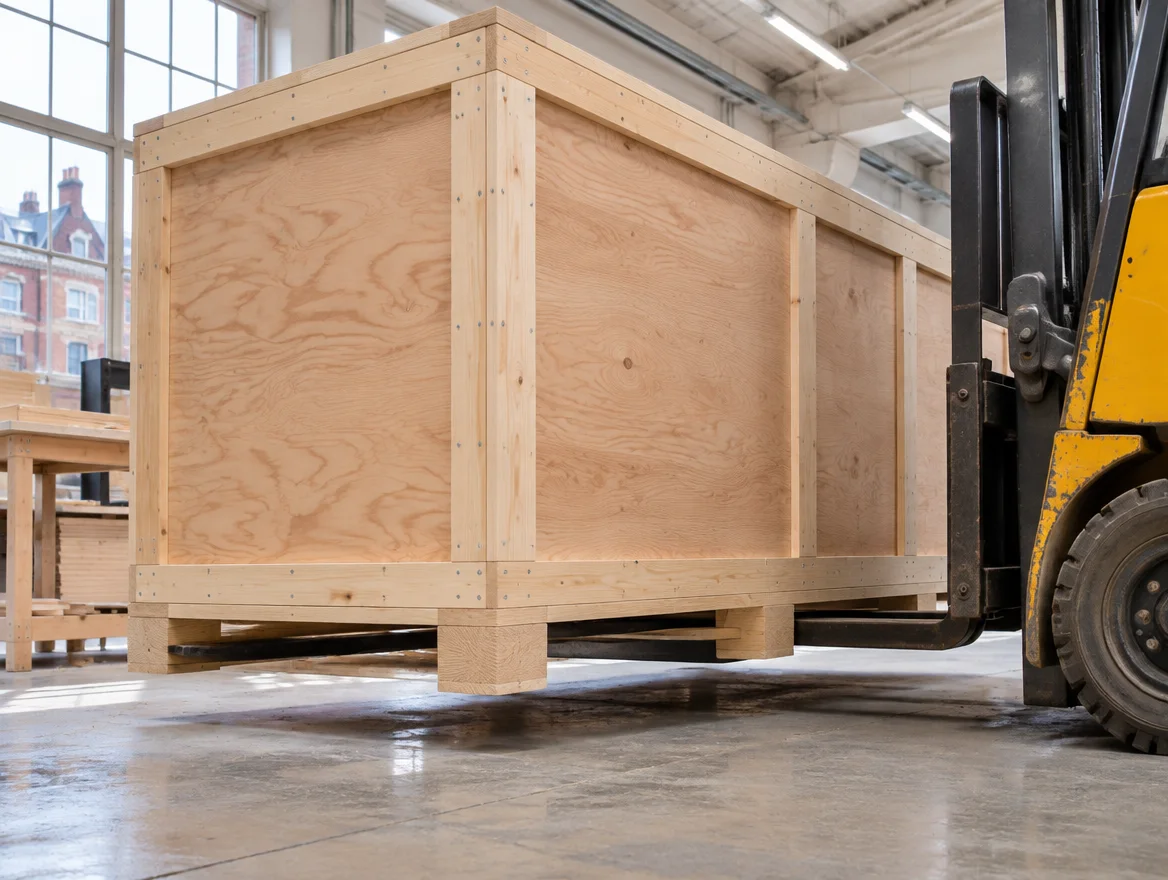
For Europe, most pieces go by road, and some by air.
Tell us if there's a fixed date, like an exhibition opening or a move, and we'll give you the options.
| Road | Air | |
|---|---|---|
| Suits | Most of Europe, larger and heavier crates, several pieces | Urgent pieces, smaller works, far-off destinations |
| Handling | Crate can stay on one vehicle for much of the journey | Handled at airports on each side |
| Size | Large crates are easier | Limited by aircraft hold and doors |
| Cost | Often better value for heavy pieces | Usually higher, priced on weight and size |
What affects the cost?
- The size and weight of the piece, and the crate it needs
- How fragile it is, and the lining and thickness it needs
- Collection access in the UK and delivery access in Europe
- Road or air, and how quickly it needs to arrive
- Door delivery, or to a warehouse for collection
- Import VAT, which is a tax on the piece's value, not a shipping charge
- The transit insurance you choose
Every quote is bespoke, based on the item itself. Customs paperwork isn't part of our quote: it's arranged by you, your shipper or a customs agent. Request your quote.
Questions to ask before it ships
- Who is importing it in Europe, and who pays the import VAT?
- Is it a sale, a gift, a loan or a move? This can change the paperwork.
- Is it going to an exhibition and coming back?
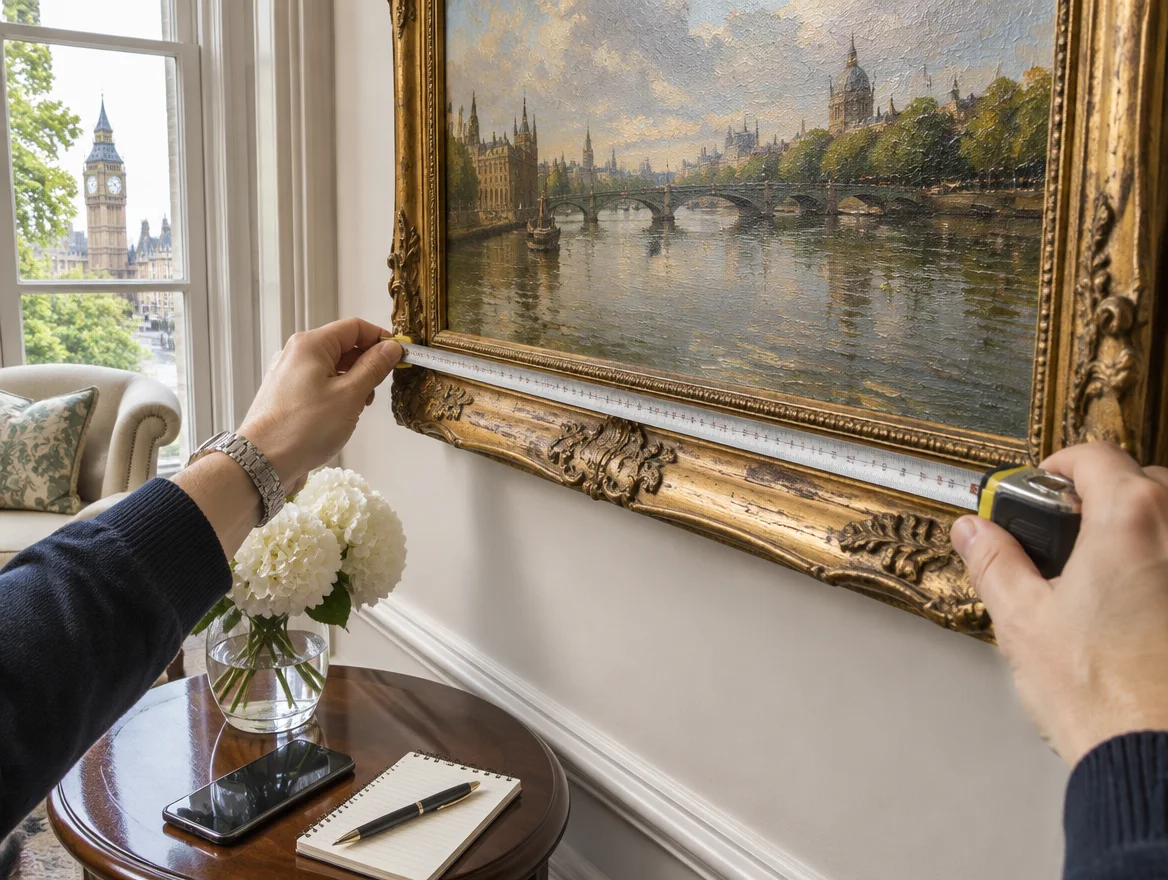
- Is the piece over 50 years old, or over 200 years old, and roughly what is it worth?
- Does it contain ivory, tortoiseshell, rosewood or other protected materials?
- Is transit insurance in place for its full value?
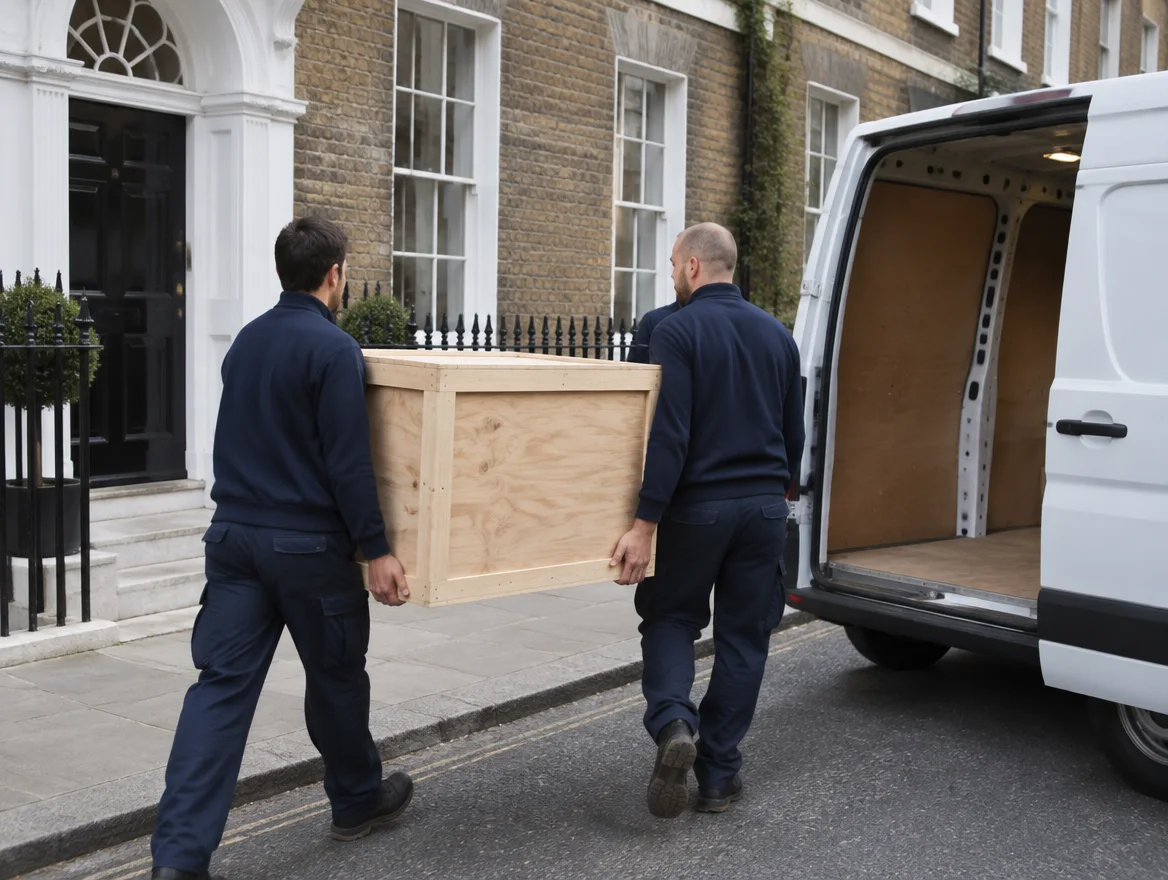
- Is there access at the delivery address for a crate of that size?
Insurance is covered on our insurance page, and the crate itself on fine art crating.
Common questions
How do I ship art from the UK to Europe? +
Have it packed and crated, declared for export from the UK, imported into the country it's going to with any import VAT paid, and delivered. Once your quote is confirmed, we handle the packing, crating and shipping, and just need the item details and both addresses. The export and import paperwork is arranged by you, your shipper or a customs agent.
Is there import VAT on art sent from the UK to the EU? +
Usually yes. Customs duty is normally nil on original art and antiques, but import VAT is charged on the value. Many EU countries use a reduced rate for art, for example 5.5% in France and 7% in Germany at the time of writing. Check the current rate for the country it's going to.
Who pays the import VAT? +
Normally whoever is importing the piece in Europe, often the buyer. Agree it before the piece ships so there are no surprises at delivery.
Do I need an export licence to send art to the EU? +
Only for some pieces. Cultural goods over 50 years old above certain values need an individual licence from Arts Council England. For many objects the threshold has been £65,000, and for oil paintings £180,000. Check the current figures before relying on them.
Do wooden crates need ISPM 15 for Europe? +
Usually, yes. Since Brexit, solid wood packaging going from Great Britain to the EU normally has to be heat treated and stamped under ISPM 15. Our crates are heat treated and carry our own registered ISPM 15 stamp. See our ISPM 15 guide.
Do you ship to Switzerland? +
Yes, we can give you options for Switzerland. It isn't in the EU, so it has its own customs rules and import VAT.
How much does it cost to ship art to Europe? +
Every quote is bespoke, based on the item itself: its size, weight, how fragile it is, where it's going and how quickly. Send us the details and we'll come back with a price for your piece.
Is our piece insured in transit? +
Transit insurance is available for every export. It's bought by you, job by job, so the cover matches the piece being shipped. We also have public and product liability insurance.
Related
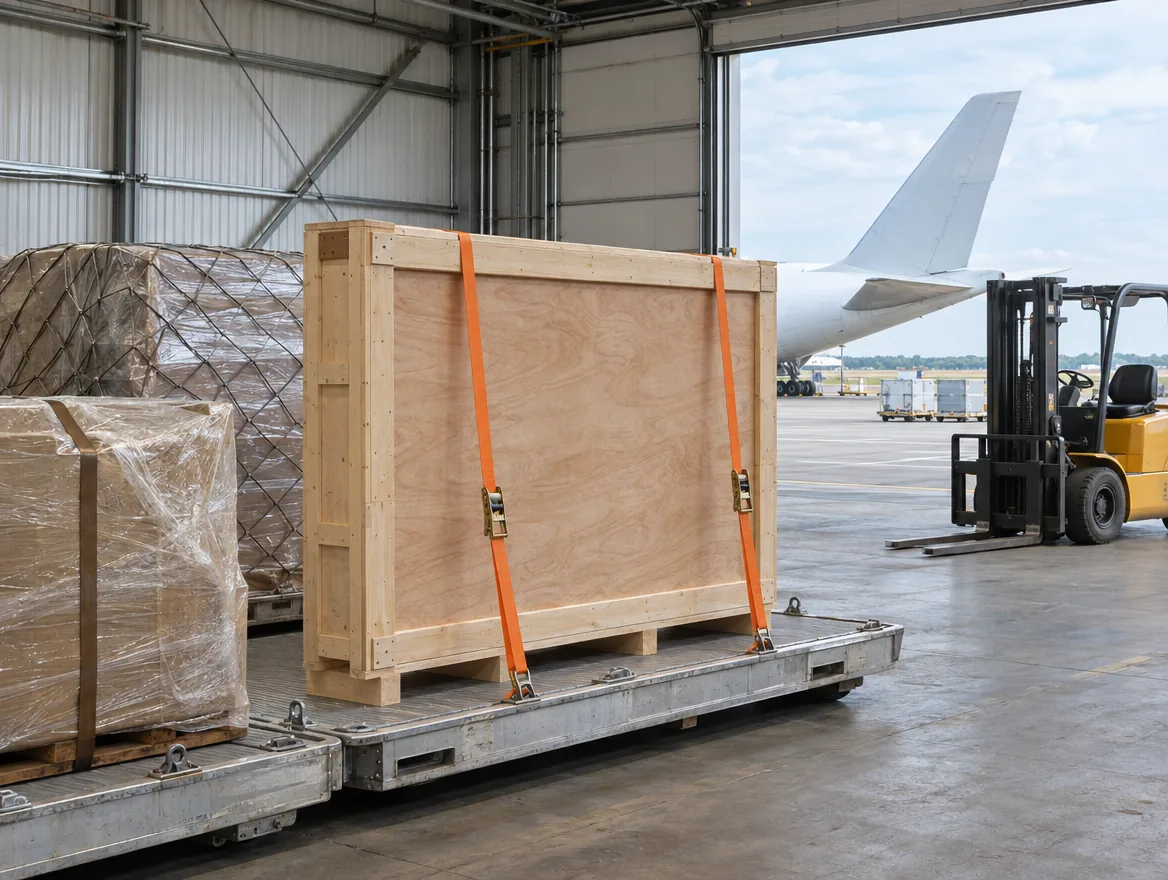
How art shipping works, end to end, and where we ship.
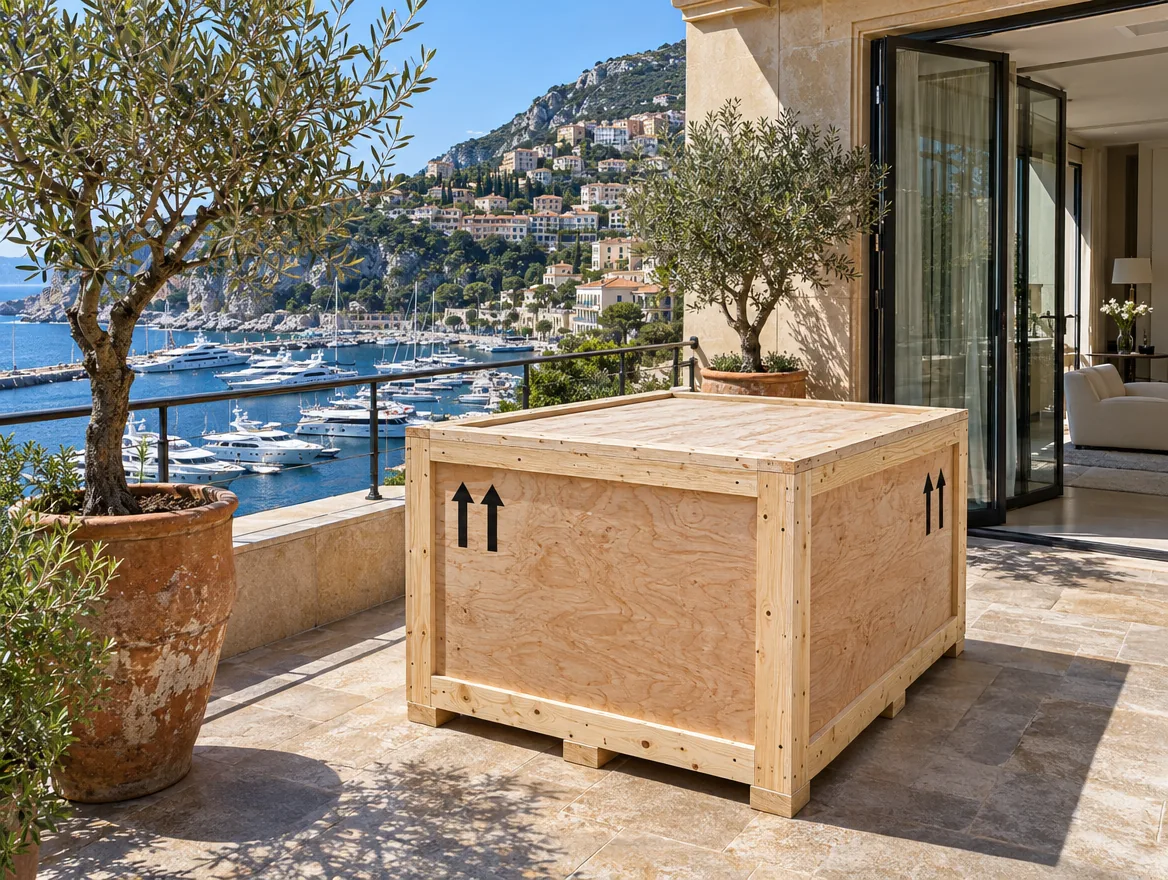
Art, antiques and furniture for Monaco and the Riviera.
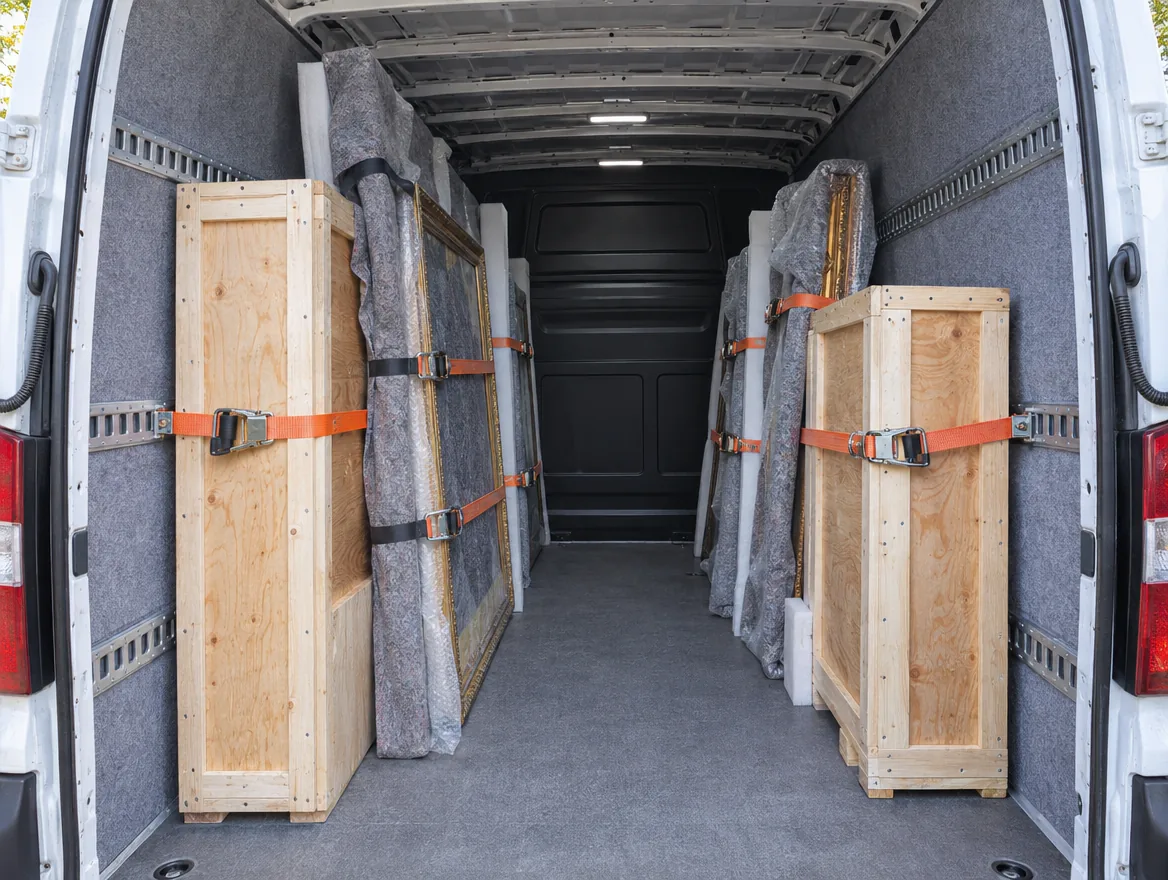
Collected by hand, carried upright, placed in the room.
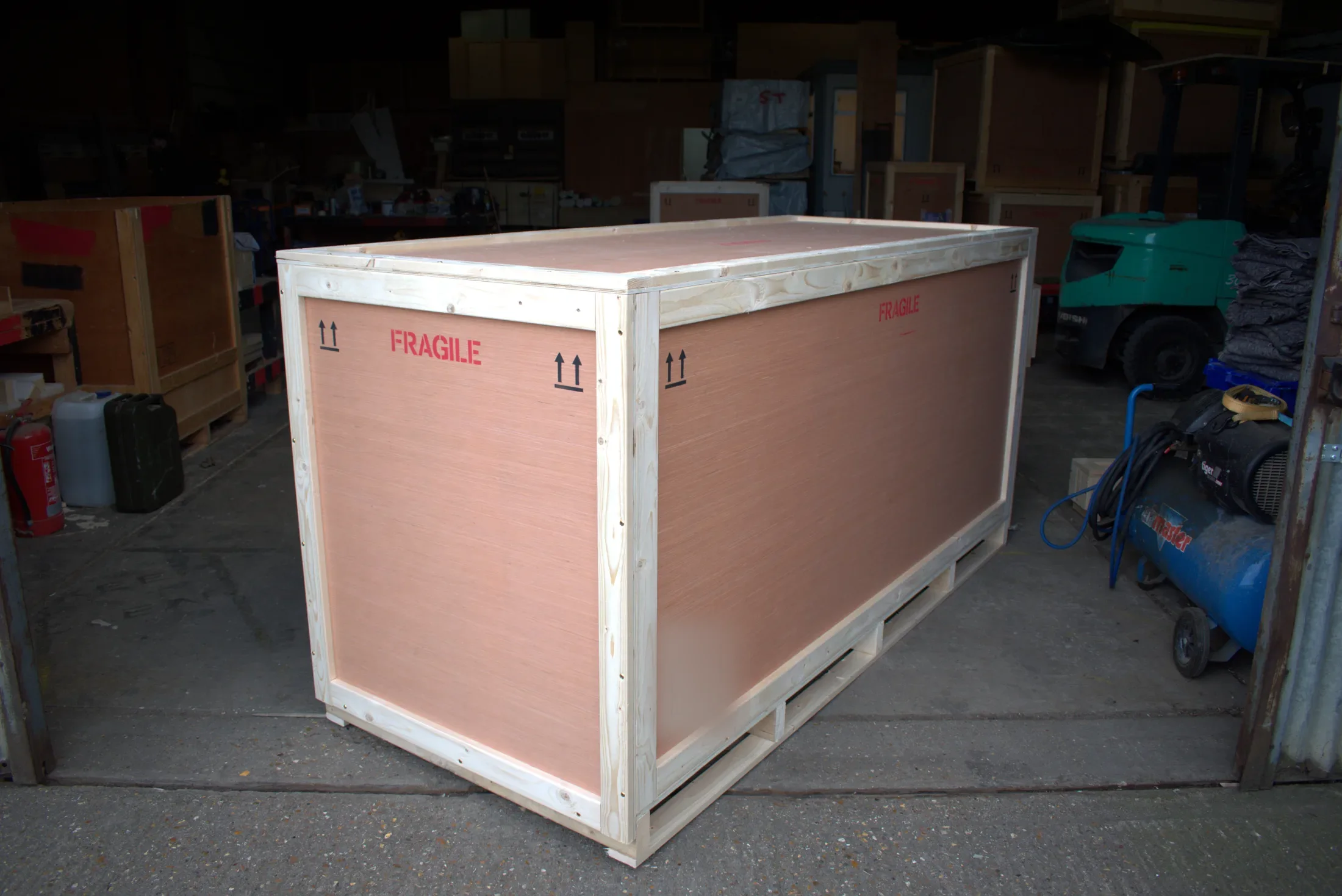
From London to anywhere in the States.
Swipe for more →
Tell us what needs to travel.
Every quote is bespoke, based on the piece itself. Send us the details and we'll come back to you.