

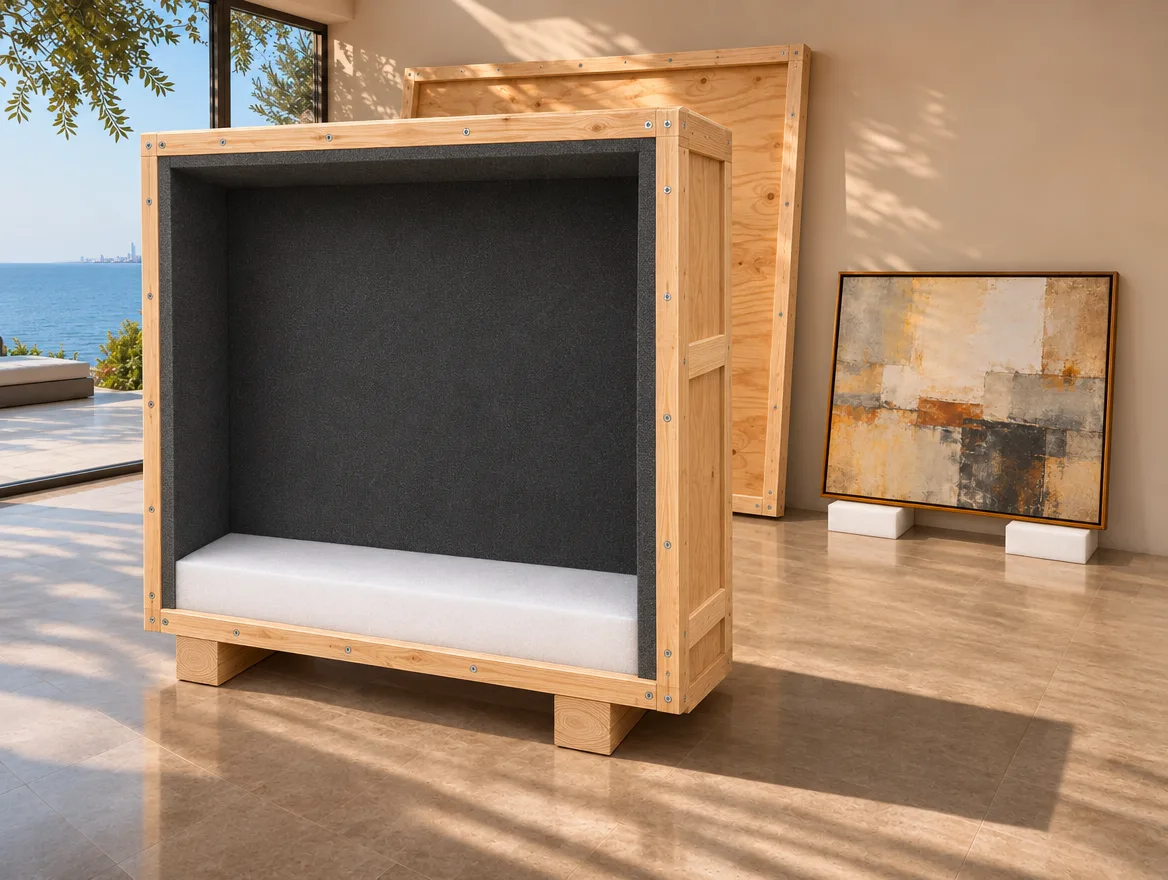
Shipping furniture to Dubai, crated in London
Shipping furniture to Dubai starts with a crate that can take the journey. We collect antique furniture, art and other fine pieces in London, pack them by hand and build a crate around each one for the heat, the humidity and a long time in transit. We can arrange the shipping too. The customs paperwork is for you, your shipper or a customs agent, and this page explains what to check.
- Route
- London to Dubai and the UAE
- We crate
- Furniture, art and antiques
- Paperwork
- Arranged by you or your agent
- Insurance
- Transit cover, bought per job
How do you ship furniture to Dubai?
Crate it for the journey, choose air or sea, get the UK export and UAE import paperwork right, and insure it for its real value. Once your quote is confirmed, we handle the collection, packing, crating and shipping. We just need the item details and both addresses.
Already have a shipper for Dubai? Then we can collect the piece, crate it and hand it to them, or build a crate to your measurements and deliver it to you.
- 01Quote
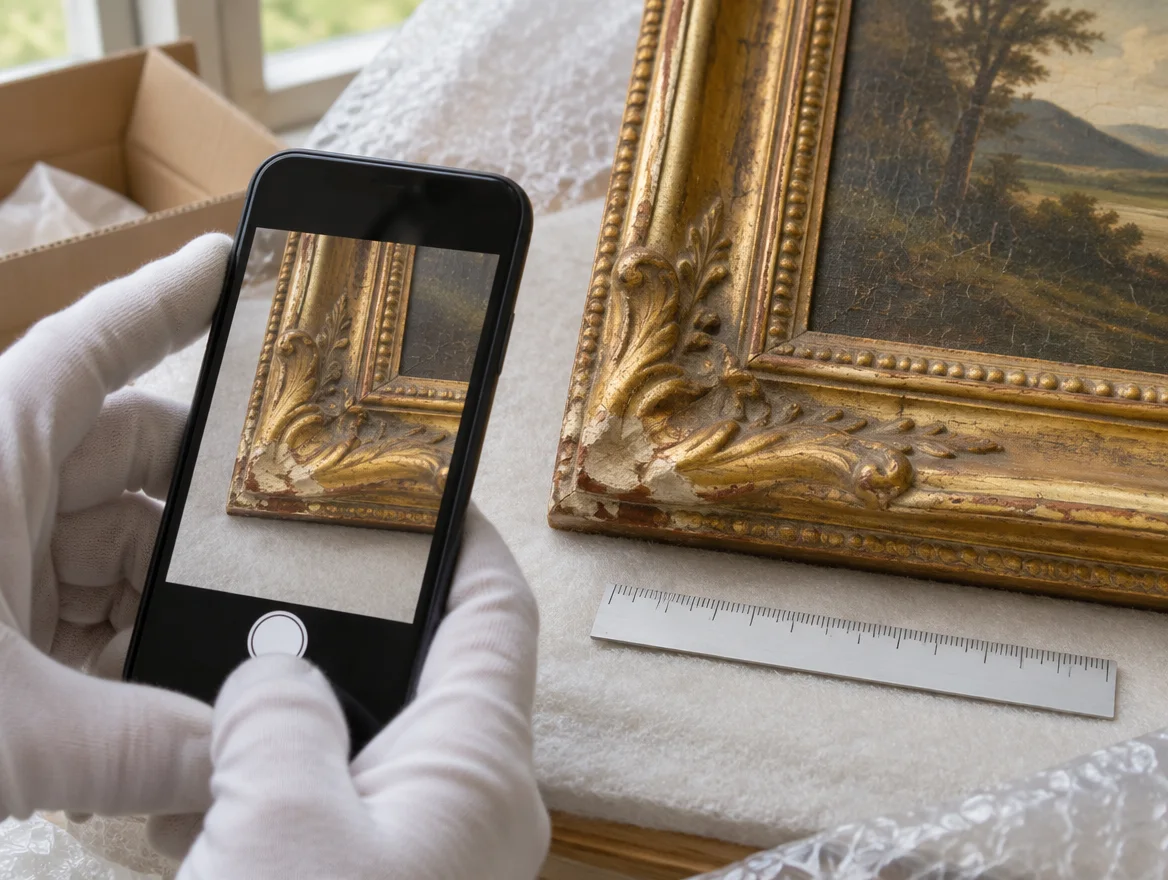
Tell us what it is, its size and weight if you know them, and where it is going in the UAE. Photos help.
- 02Collection
We collect it in or out of London, 9am to 4pm, 7 days a week.
- 03Packing and crate
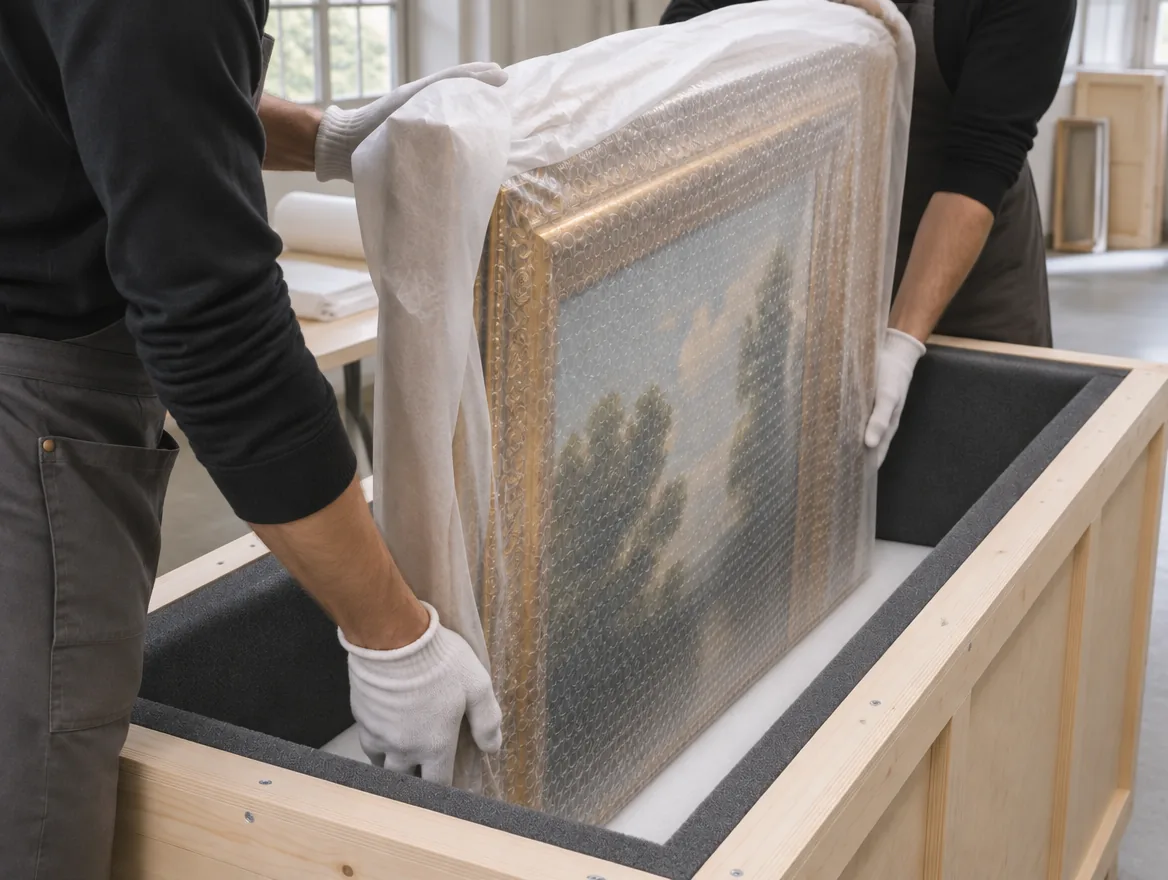
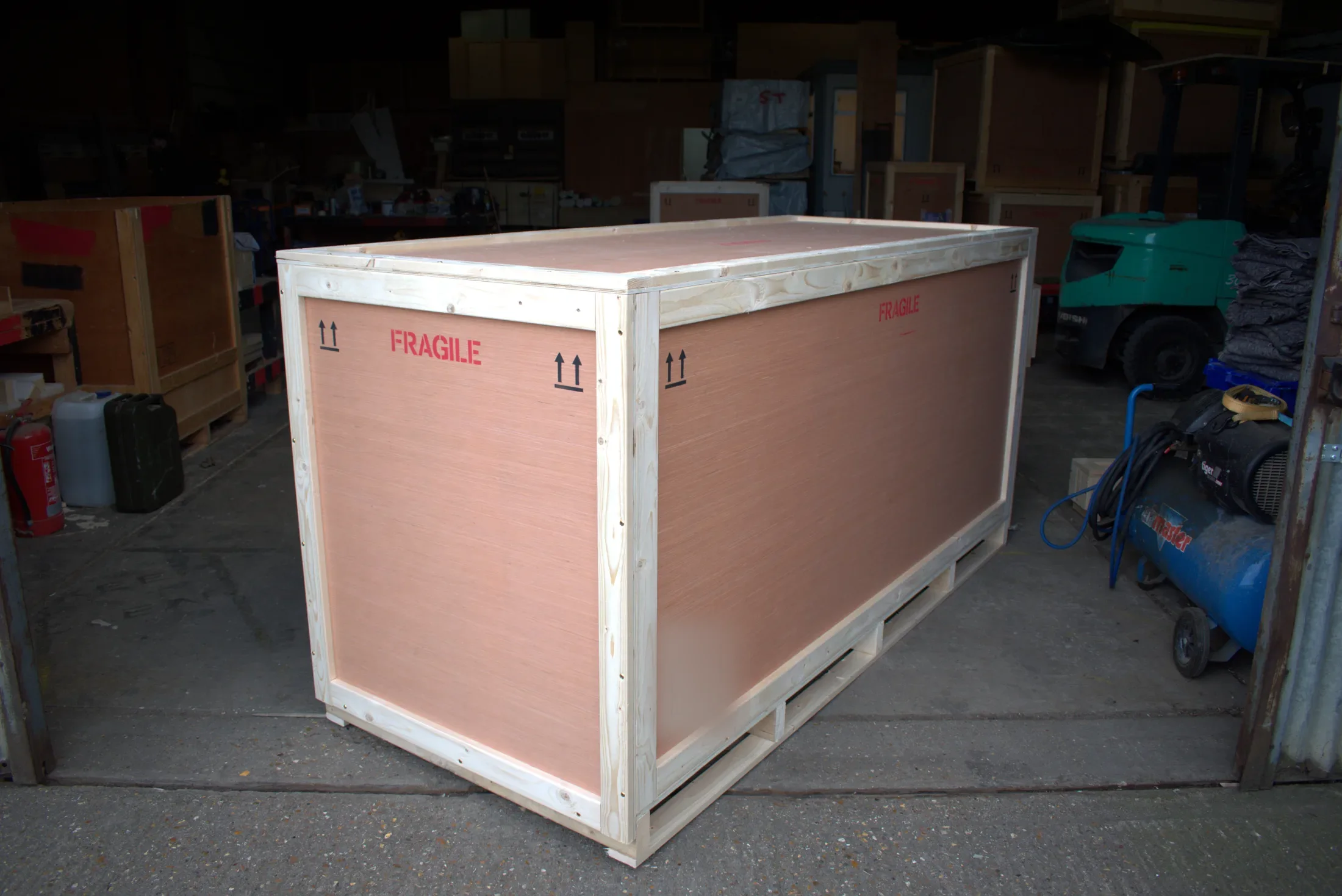
Wrapped by hand, then crated to measure in our warehouse, with a lining and supports chosen for the piece.
- 04UK export
You, your shipper or a customs agent declare it for export, with any licence an older or valuable piece needs.
- 05UAE import
Your clearing agent or shipper declares it on arrival, and any duty and VAT are paid.
- 06Delivery
Delivered on to the address you gave us. Ask us whether your quote runs to the door.
What does a crate for Dubai have to withstand?
Heat, humidity and time. Whether you are sending furniture, art or antiques to Dubai and the UAE, a piece going to the Gulf is likely to spend longer in transit than one crossing the Channel, and it arrives somewhere far hotter than where it left.
Wood, glue, veneer, paint and gilding all react to those changes. Solid wood swells and shrinks, old joints loosen, veneers and marquetry can lift, and paint on canvas or panel can crack. The crate can't stop the climate, but it can slow sudden changes down and keep the piece still while they happen.
Dubai summer days are often above 40°C, and a crate on a quayside or in a container can sit in that sun.
The coast is humid, especially at night and early in the morning, then air conditioning indoors is cool and dry.
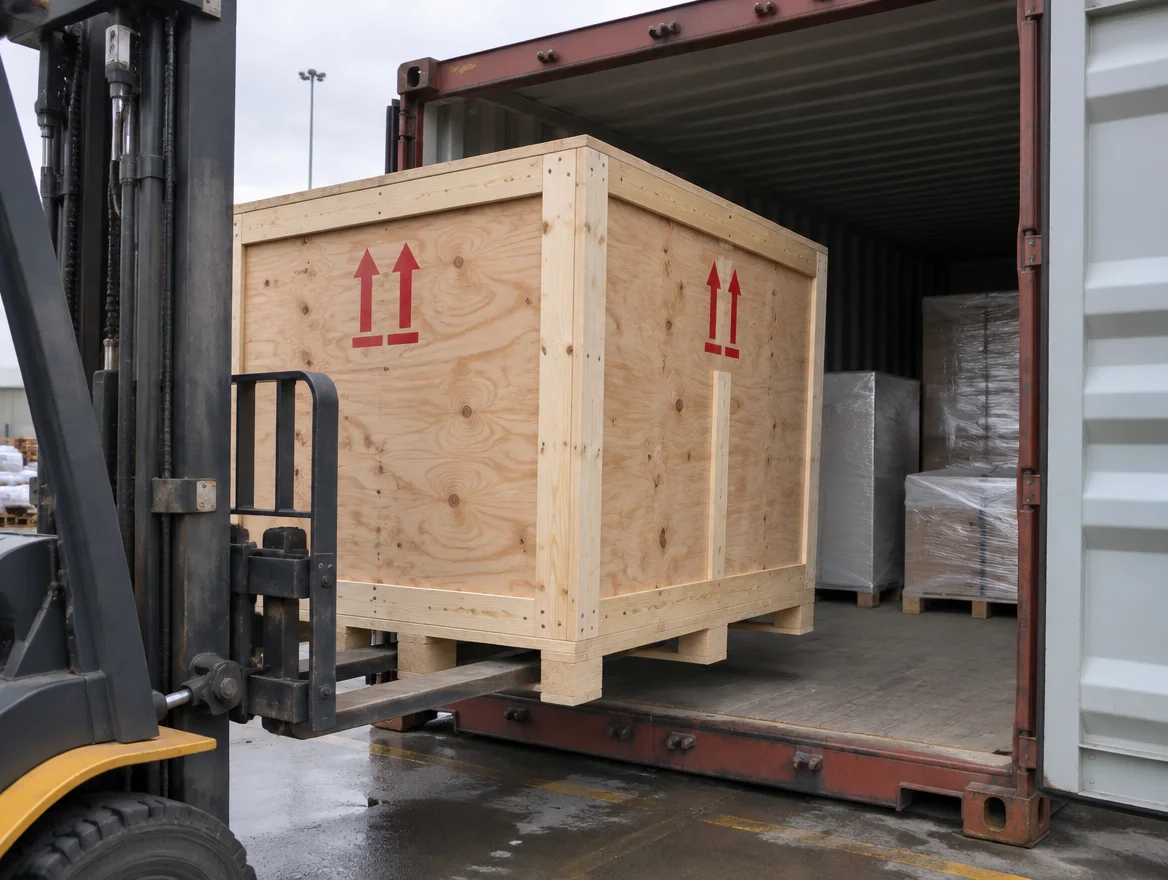
By sea, a crate is handled, loaded and unloaded, and sits in a container for weeks rather than days.
How we pack furniture and art for the Gulf
The same careful packing we use for every export, with the long, hot route in mind:
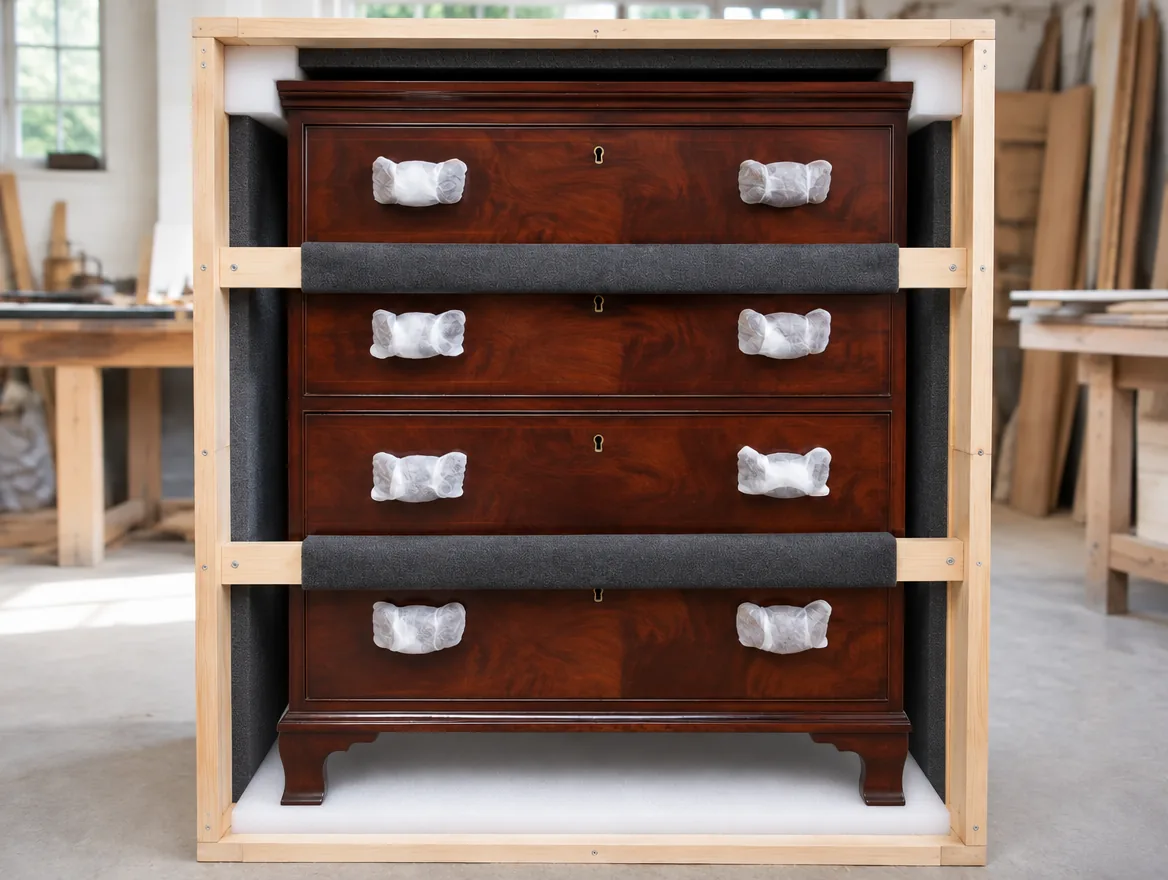
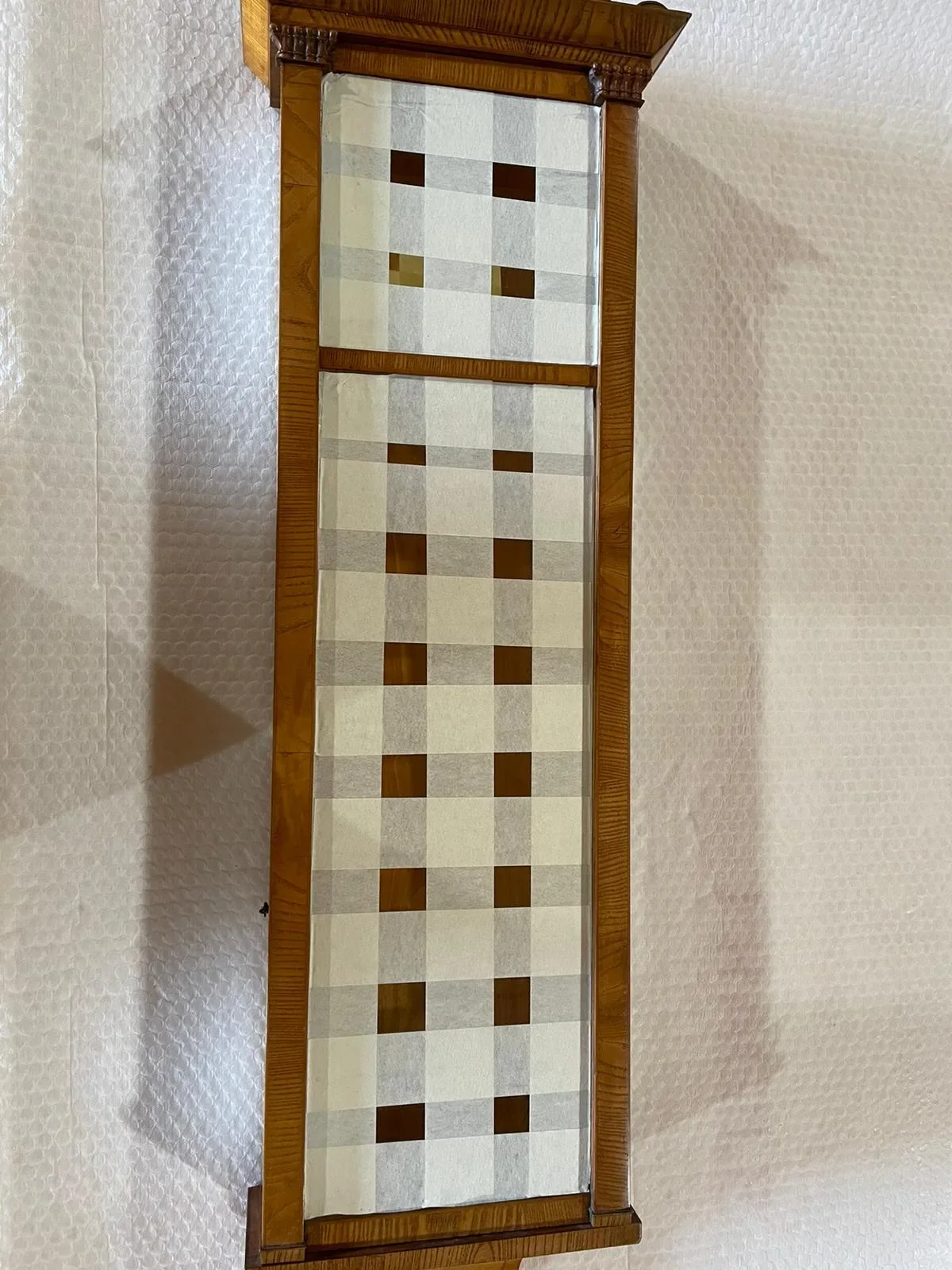
- Tissue first. Tissue paper goes against polished wood, veneer and gilding, so no plastic sits directly on the surface. Bubble wrap goes over that.
- Nothing loose. Drawers, doors and loose shelves are secured or packed separately, so they can't slide or swing in transit.
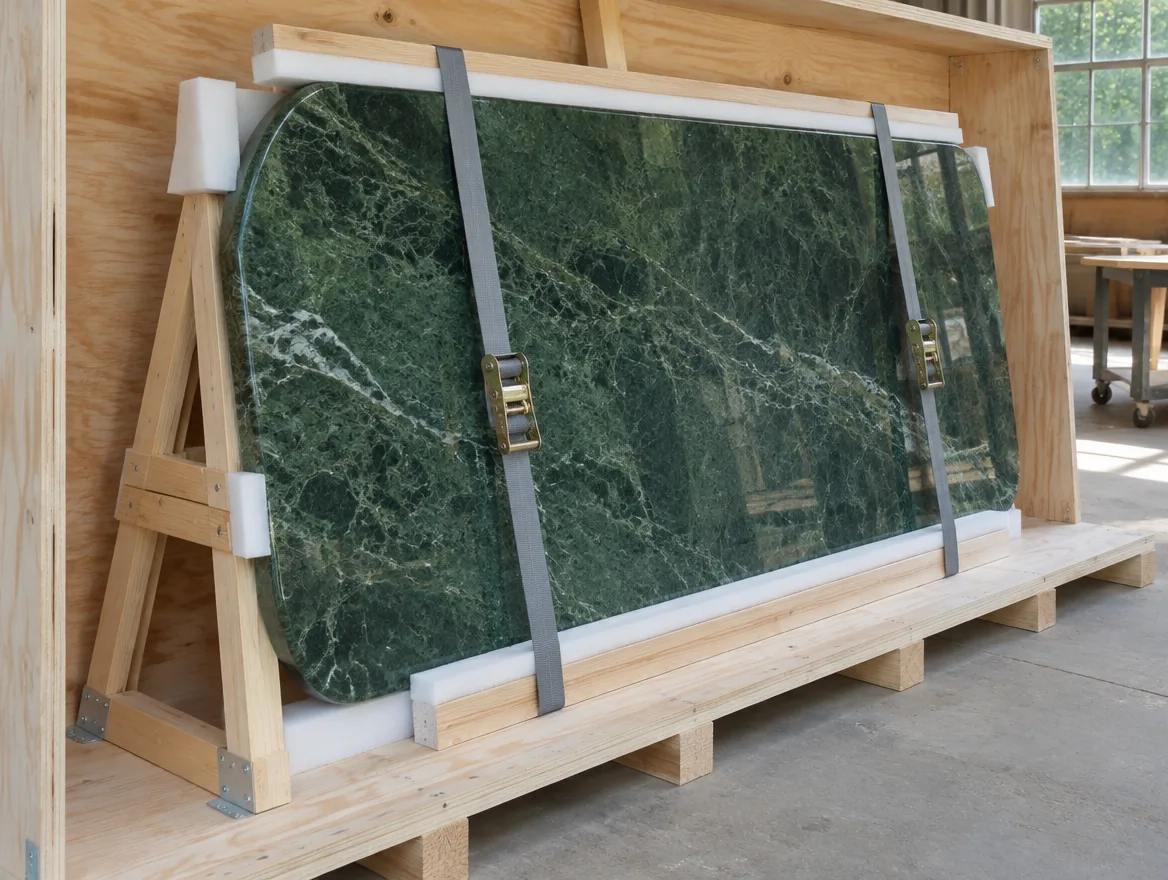
- Weak points supported. Legs, carved edges and corners get extra padding. Marble tops usually travel separately, standing on edge on a padded A-frame.
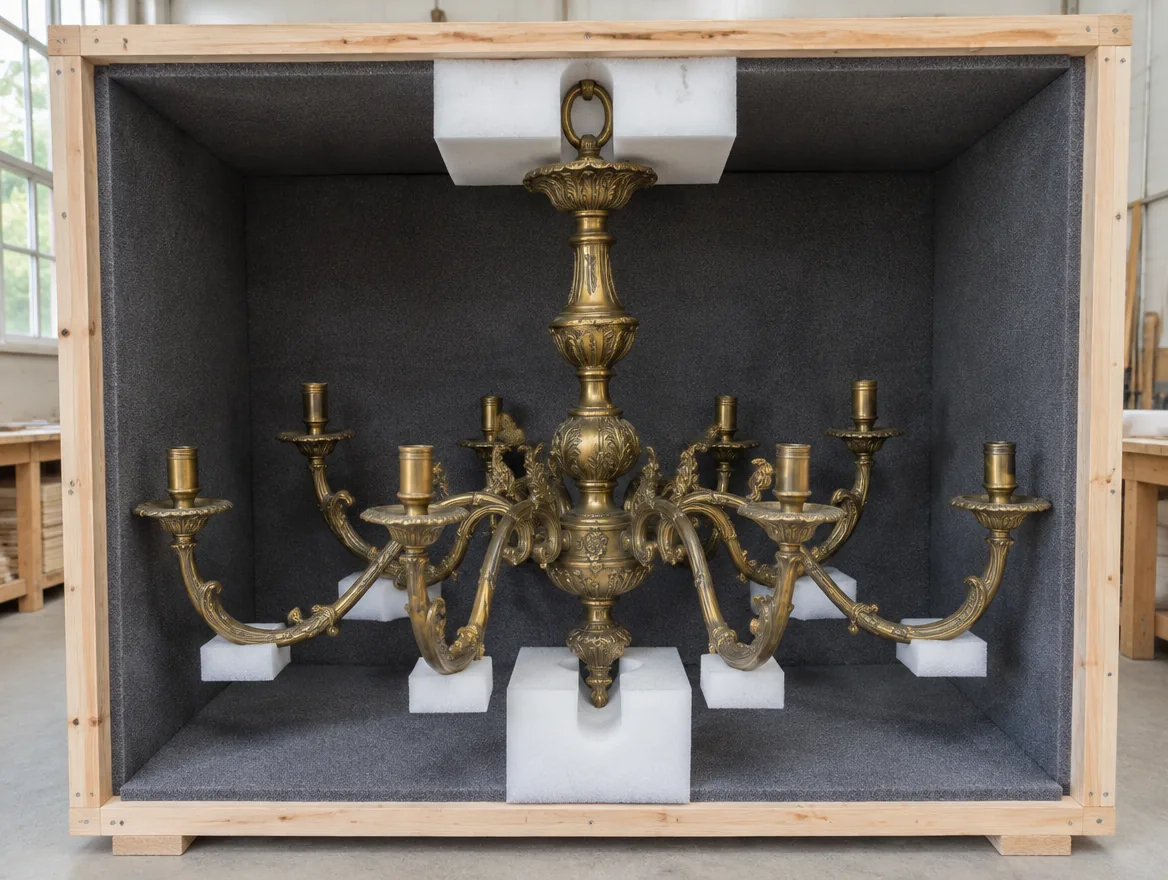
- The right lining. HLB22 soft foam for fragile surfaces, high density foam blocks for heavy pieces, polystyrene where a lighter lining does the job.
- Held still. Padded battens across the piece and foam blocks at the corners, so nothing moves however the crate is turned.
More detail by piece: antique furniture, marble and stone, chandeliers and lighting and paintings.
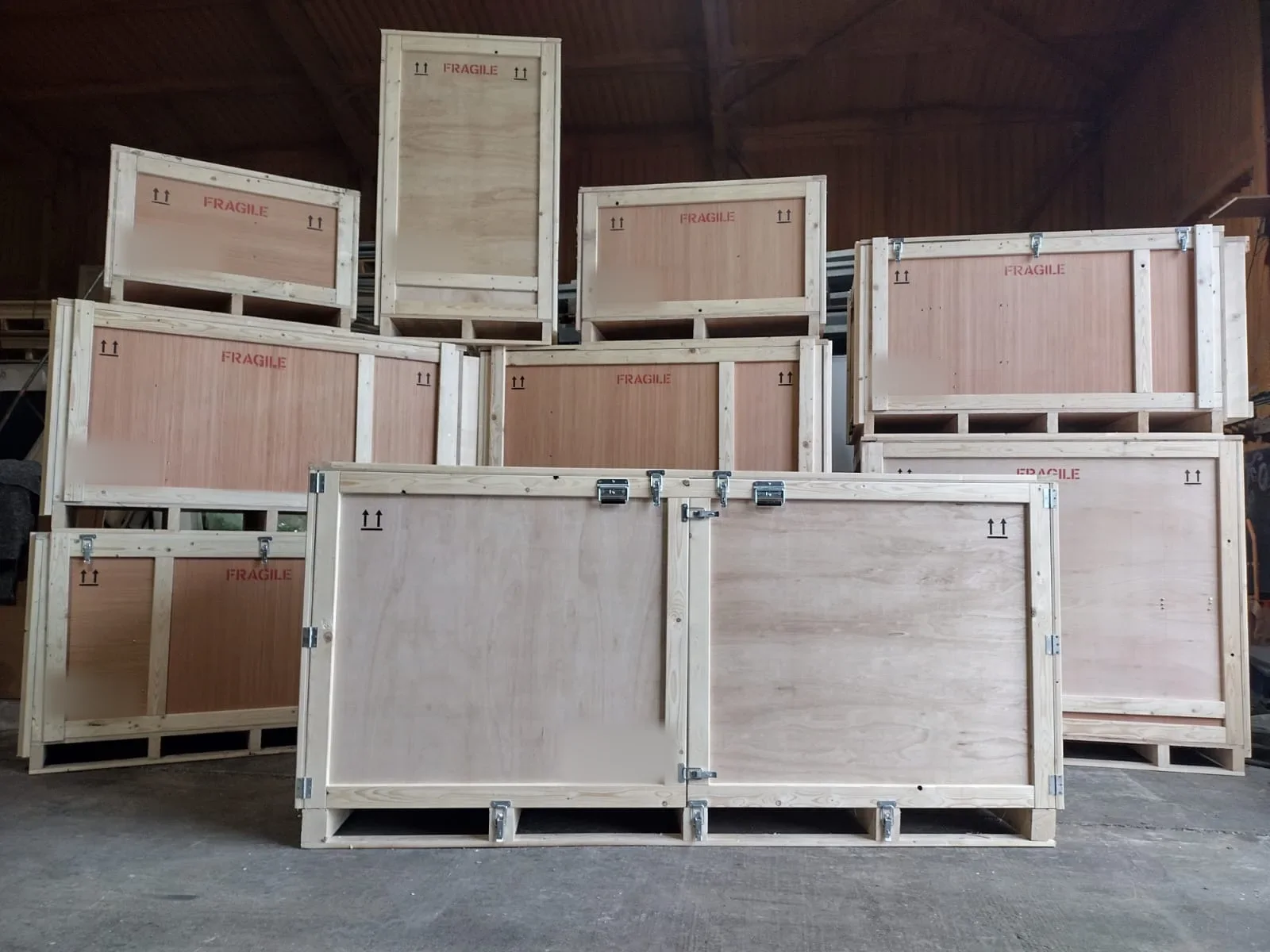
Send us a photo and the measurements.
We’ll recommend the crate, the lining and the supports, and come back with a bespoke quote.
Air or sea to Dubai?
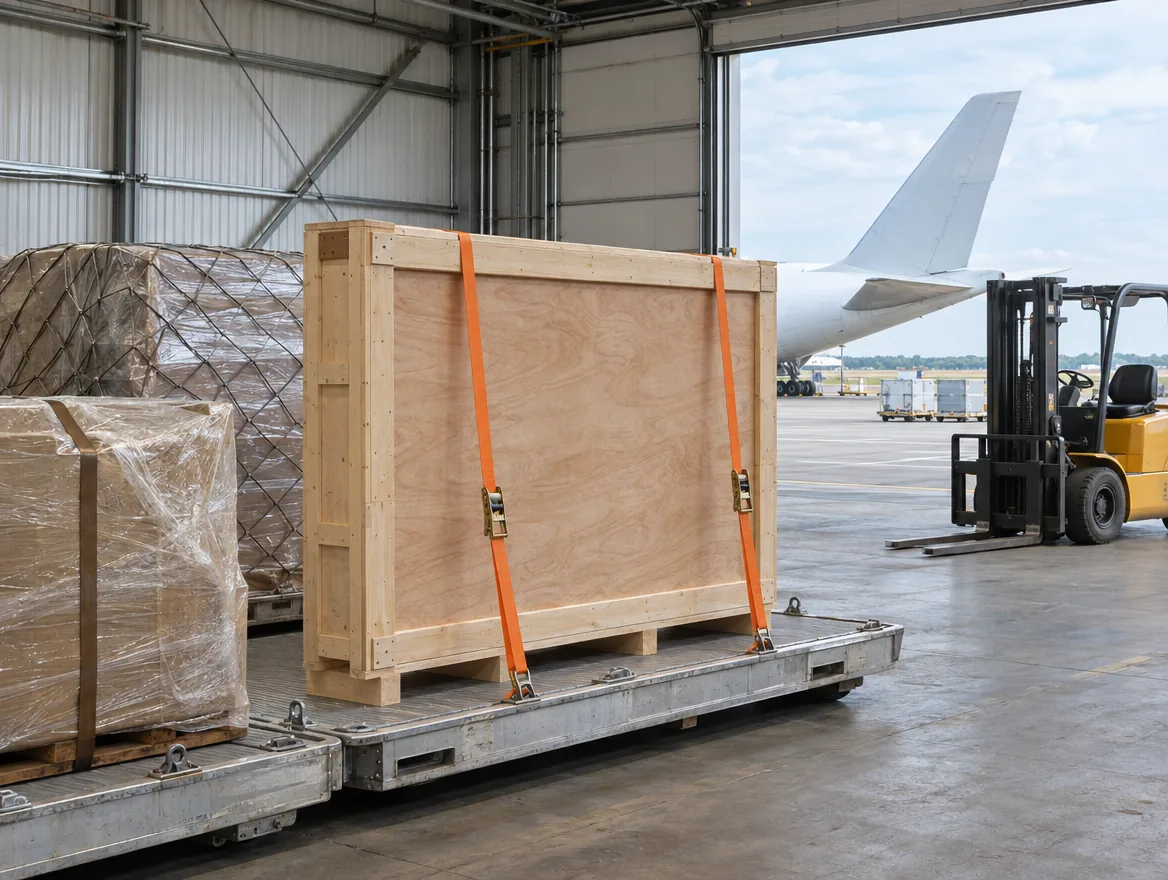
Air is quicker and suits paintings and smaller pieces with a deadline. Sea is slower and usually better value for furniture, heavy pieces or a whole room. Neither is always right; it depends on the piece, the date and the budget.
Tell us if there is a fixed date, such as a villa handover or an exhibition, and we'll give you the options. We don't quote transit times on the website; ask us for your piece.
| Air freight | Sea freight | |
|---|---|---|
| Speed | Days rather than weeks | Weeks rather than days, plus port handling |
| Cost | Usually higher, priced on weight and size | Often lower for large or heavy crates |
| Size | Limited by aircraft hold and door sizes | Large crates and whole collections fit in a container |
| Climate risk | Shorter exposure to heat and humidity | Longer exposure, so packing matters more |
| Suits | Paintings, smaller works, fixed dates | Furniture, marble, chandeliers, house moves |
UAE import: what to check before it ships
Imports into the UAE are declared to customs on arrival, and duty and VAT may be due. We don't handle customs paperwork: it is arranged by you, your shipper or a customs agent. These are the points to check, and the current position should always be confirmed with Dubai Customs, the UAE's federal customs authority or a licensed clearing agent.
- Customs duty. The general UAE rate is 5%, worked out on the value of the goods plus freight and insurance (CIF). Some goods are charged differently, so check how your piece is classified.
- VAT. The UAE charges 5% VAT, which is normally collected on imports at customs clearance as well.
- Moving there to live? Dubai Customs exempts used personal effects and household items brought in by people taking up residence, after inspection and with documents such as a passport, residence visa and a list of the goods. New items, or goods in commercial quantities, are not exempt. Check the current conditions for your move.
- Documents. Usually an invoice or valuation, a packing list and the air waybill or bill of lading. Accurate descriptions and values avoid most delays.
- Restricted items. Anything with ivory or other protected species needs CITES permits, and some objects, such as certain figurative or religious pieces, can be restricted. Check before it is packed.
- The UK side. Older, valuable cultural goods can need an export licence from Arts Council England. See our antique shipping page.
Rules on duty, VAT and exemptions change. Check the current position with Dubai Customs or a clearing agent for your piece before it ships, and agree who pays any charges on arrival.
Does ISPM 15 apply to crates going to the UAE?
Treat it as yes. ISPM 15 is the international standard for wood packaging, and solid timber in a crate, such as the frame, skids and battens, usually has to be heat treated and marked to cross a border. International guidance for shipments to the UAE says wooden packing should meet it. Plywood is usually exempt.
Our crates are heat treated and carry our own registered ISPM 15 stamp. Ask your shipper or clearing agent to confirm the UAE's current requirement. Our ISPM 15 guide explains the mark.
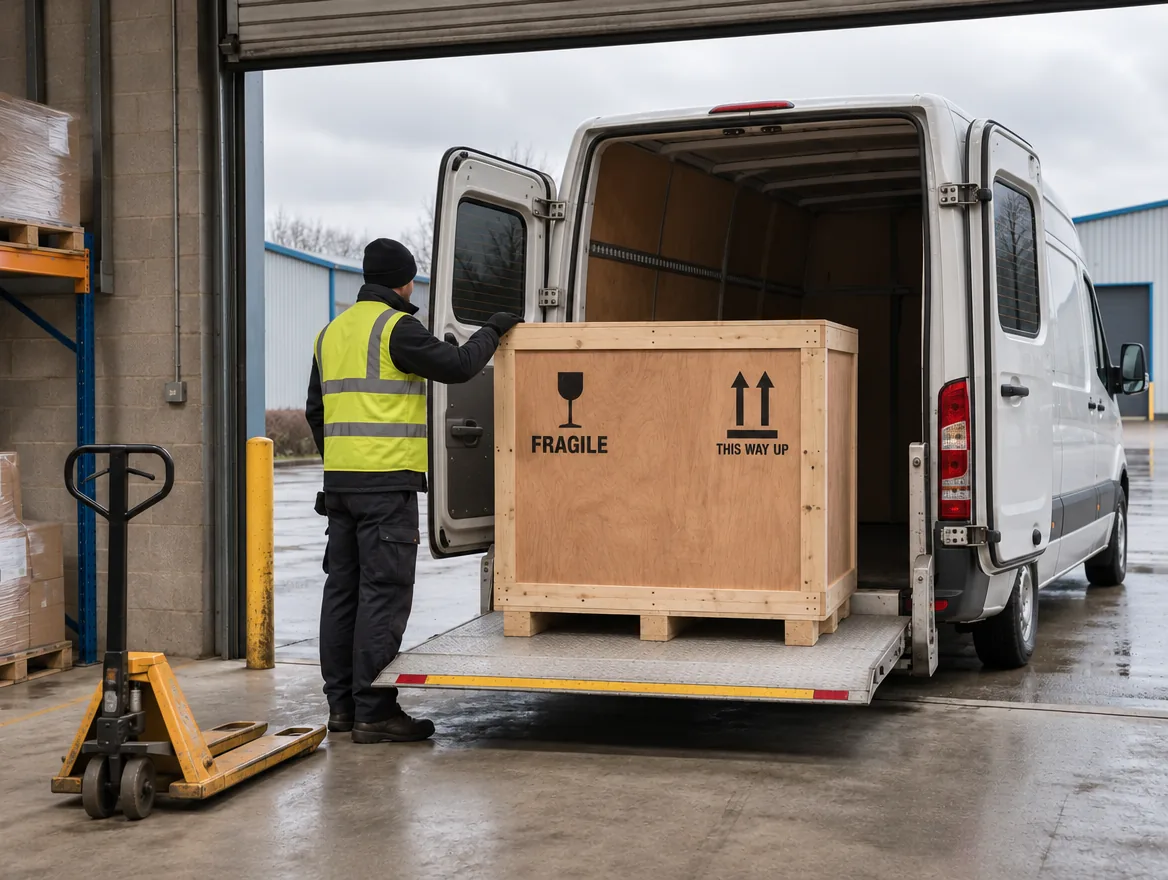
Unpacking in Dubai
Give the crate time before you open it. A piece that has travelled in a hot container, then arrives in a cool, dry, air-conditioned room, needs to settle slowly.
- Bring the crate indoors and leave it closed, often overnight, so it comes to the temperature of the room.
- Don't open it outside in the heat of the day.
- Unpack slowly, check the piece against your photos, and keep the packing until you are happy.
- Keep the room's air steady. Furniture and paintings dislike being moved between hot, humid air and very dry air conditioning.
Insurance for the journey is bought by you, job by job, for the real value of the piece. Our insurance page explains what to ask, and shipping to the USA and shipping to Europe cover our other common routes.
Common questions
How do I ship antique furniture from London to Dubai? +
Have it crated for a long, hot journey, choose air or sea, get the UK export and UAE import paperwork in place and insure it for its value. We collect, pack, crate and can arrange the shipping; the customs paperwork is arranged by you, your shipper or a clearing agent.
Is there import duty on furniture going to Dubai? +
The general UAE customs duty is 5% of the CIF value, and 5% VAT is normally due on imports too. Used household goods brought in by people moving to live in the UAE can be exempt, with conditions. Check the current position with Dubai Customs or a clearing agent.
Should I send furniture to Dubai by air or by sea? +
Sea is usually better value for furniture, heavy pieces and whole rooms. Air suits paintings and smaller pieces with a deadline. We'll give you the options for your piece.
Will the heat damage antique furniture? +
Sudden changes are the main risk: heat and humidity in transit, then cool, dry air conditioning. A well-lined crate slows those changes, and letting the crate settle indoors before opening it helps.
Can you ship art to Dubai as well as furniture? +
Yes. We crate paintings, sculpture, mirrors, chandeliers and antiques for the UAE. See fine art crating.
Can you ship to Abu Dhabi or elsewhere in the UAE? +
Tell us the delivery address and we'll give you the options. Ask us whether the quote runs to the door.
My shipper is already booked. Can you just do the crate? +
Yes. We can collect and crate the piece for your shipper to collect from our warehouse, or build a crate to your measurements and deliver it to you.
Do you handle the customs paperwork? +
No. Export declarations, licences and import entries are arranged by you, your shipper or a customs agent. What we do is make sure the crate is ready for the journey, clearly marked and easy to open and close again if customs want to look inside.
Is the piece insured? +
Transit insurance for exports is available, bought by you job by job, so the cover matches the piece. We have public and product liability insurance. See our insurance page for what to ask.
Related
How art shipping works, end to end, and where we ship.
Clocks, mirrors, glass and collections.
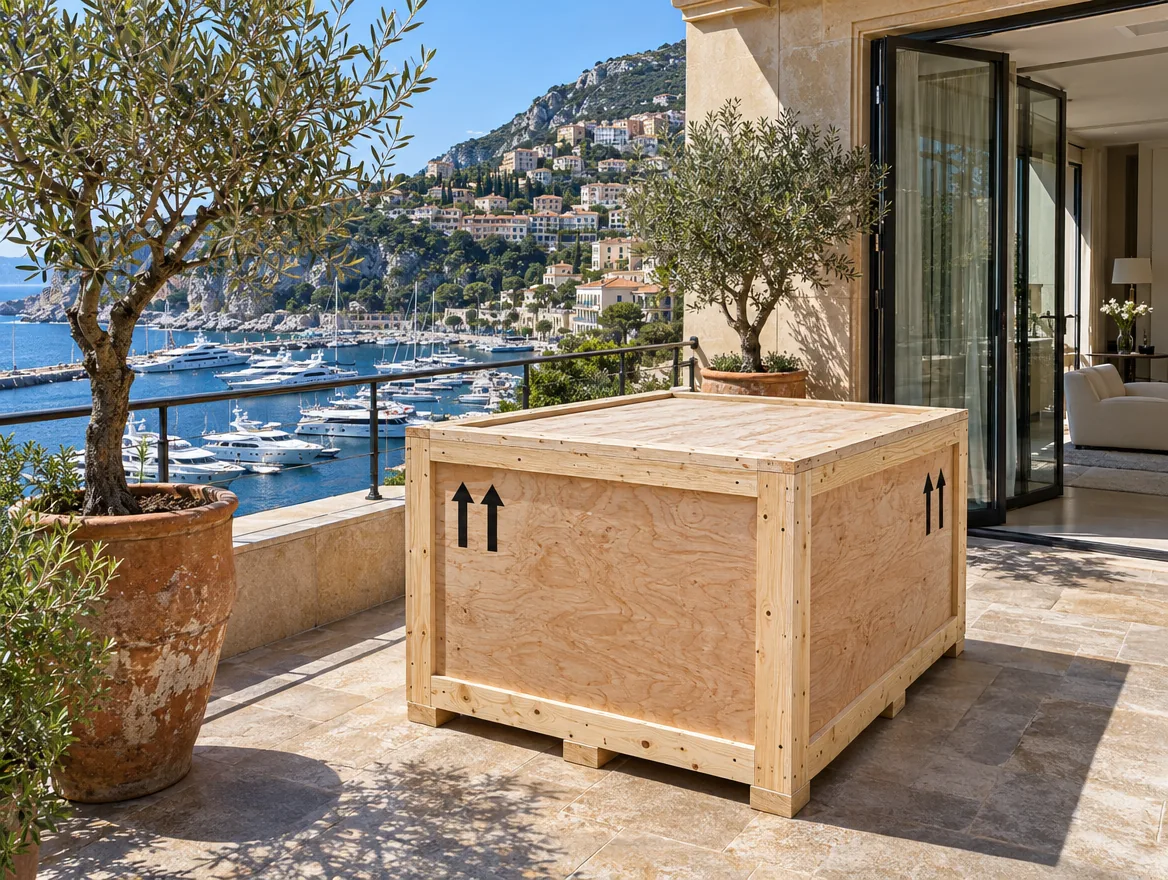
Art, antiques and furniture for Monaco and the Riviera.
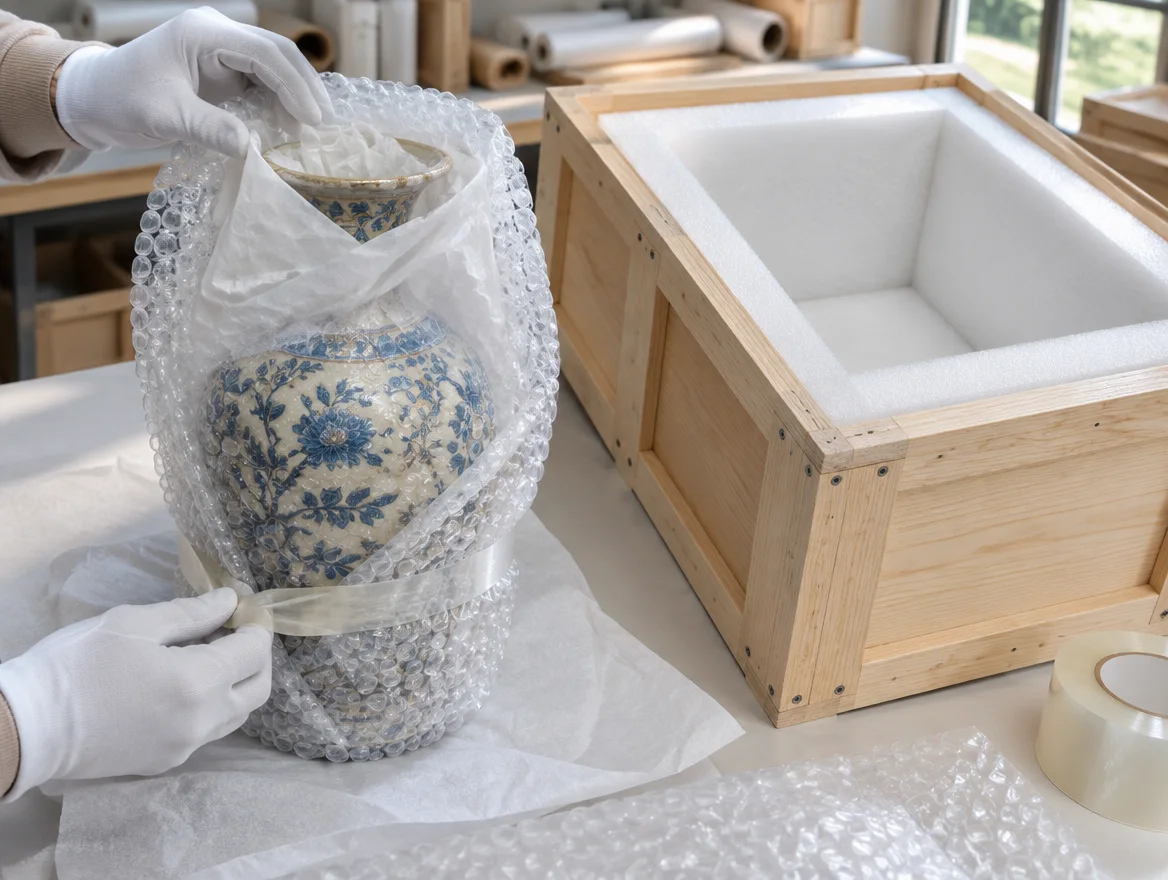
Parts packed apart, finish wrapped, crated upright.
Swipe for more →
Tell us what needs to travel.
Every quote is bespoke, based on the piece itself. Send us the details and we'll come back to you.