

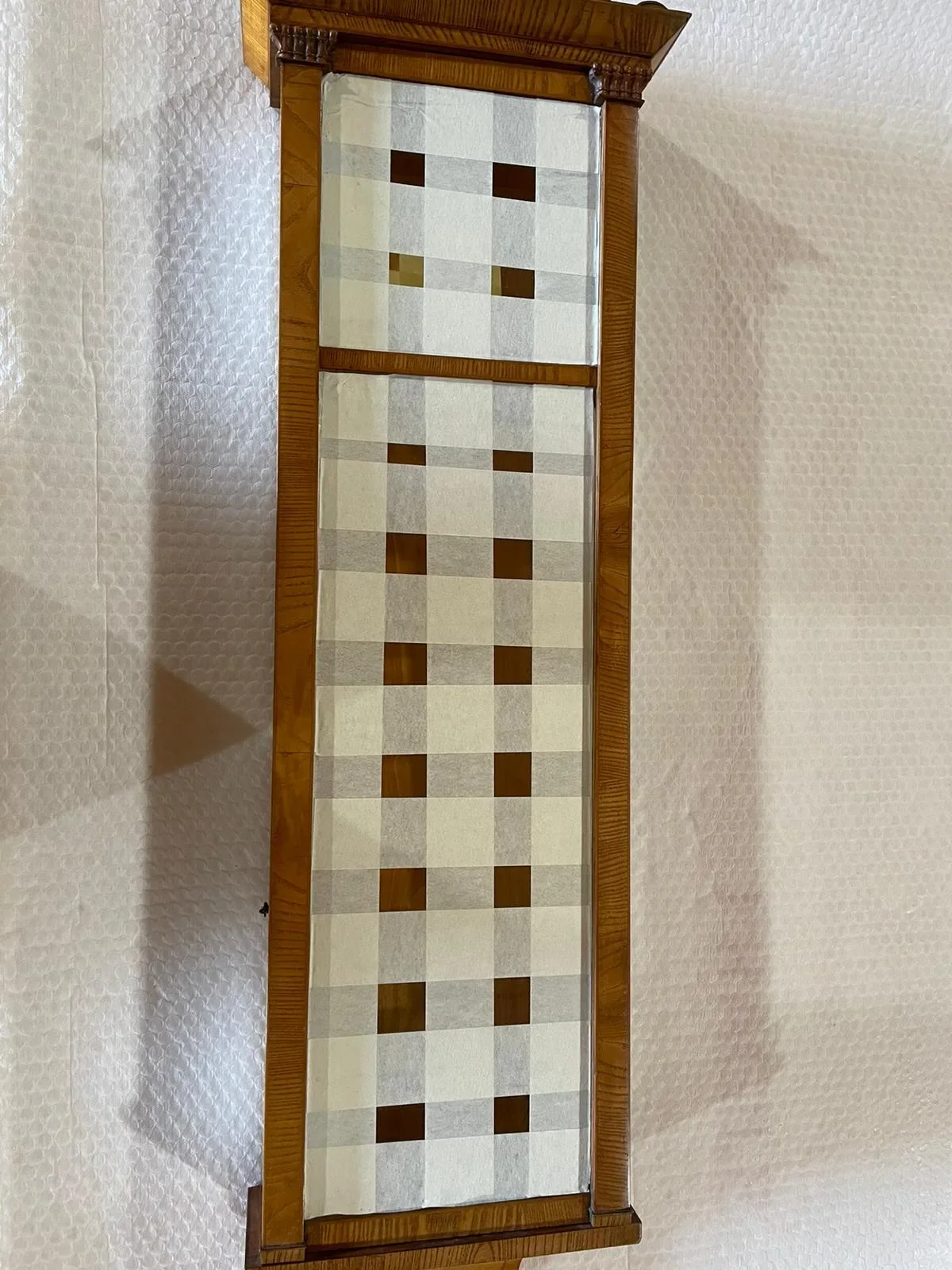
Antique shipping, packed and crated by hand
We pack, crate and ship antiques for dealers, collectors and families: clocks, mirrors, glass and whole collections. Old pieces are often fragile in ways new ones aren't, so each one is packed for what it is. We don't handle customs paperwork, but this page explains what older pieces can need, from UK export licences to CITES permits, so you or your agent know what to sort.
How we crate a longcase clock
A longcase clock is one of the most fragile antiques to move. The pendulum and weights come out and travel separately, and the clock itself is held still on every side.

- Packs
- Clocks, mirrors, glass, collections
- For
- Dealers, collectors, families
- Ships to
- US, Europe and worldwide
What is the best way to ship antiques?
Pack each piece for its weak points, hold it still inside a crate built to measure, get the paperwork right for its age, value and materials, and insure it for its value. Old glue, dry timber, loose veneer, old glass and fine moving parts all need different care.
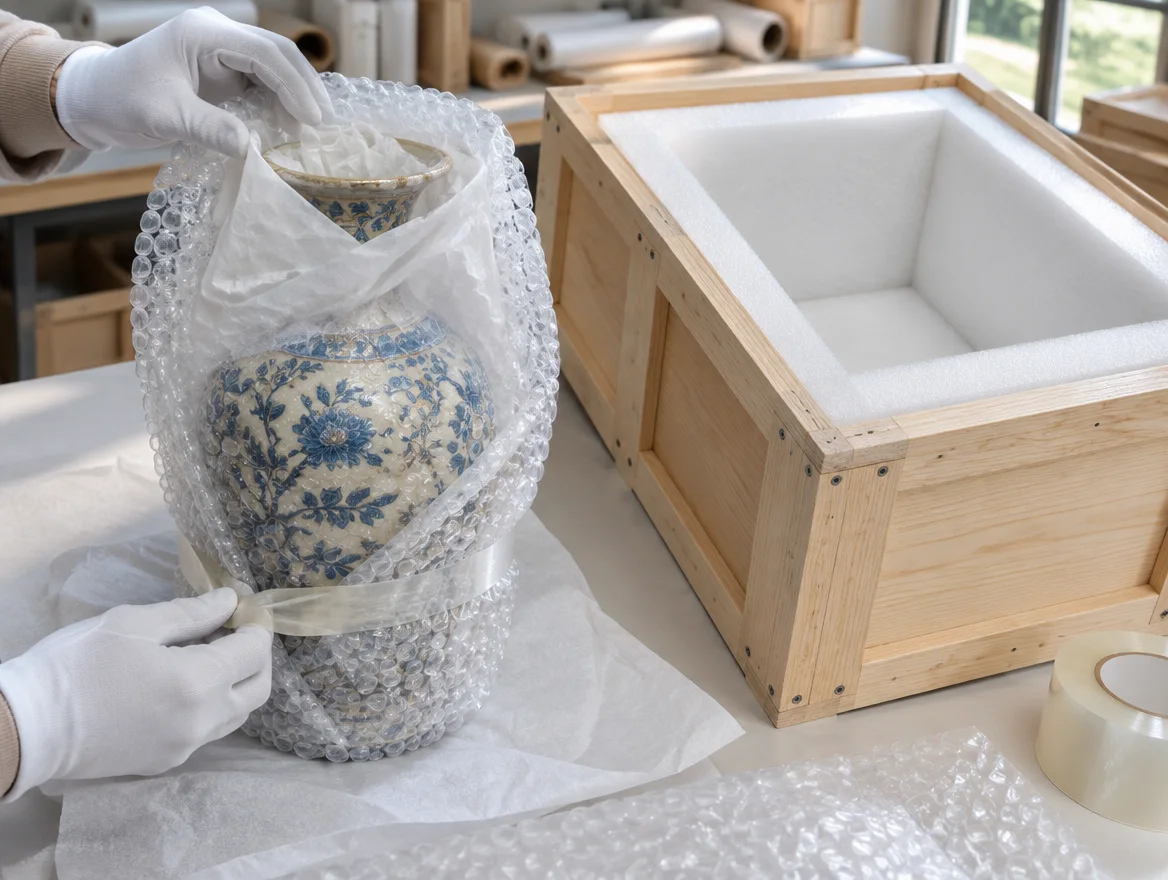
- 01Tell us about the piece
What it is, its size, roughly how old it is and anything you know about it. Photos help.
- 02Collection
We collect it ourselves, in or out of London, 9am to 4pm, 7 days a week.
- 03Packing for its weak points
Glass taped, moving parts secured, surfaces protected, then held still with the right lining.
- 04A crate built to measure
Timber and plywood, sized to the piece, so nothing can move inside.
- 05Paperwork
Arranged by you, your shipper or a customs agent, not by us: the export declaration, plus any licence or permit the piece needs for its age, value or materials.
- 06Onward shipping
Packed for what it is
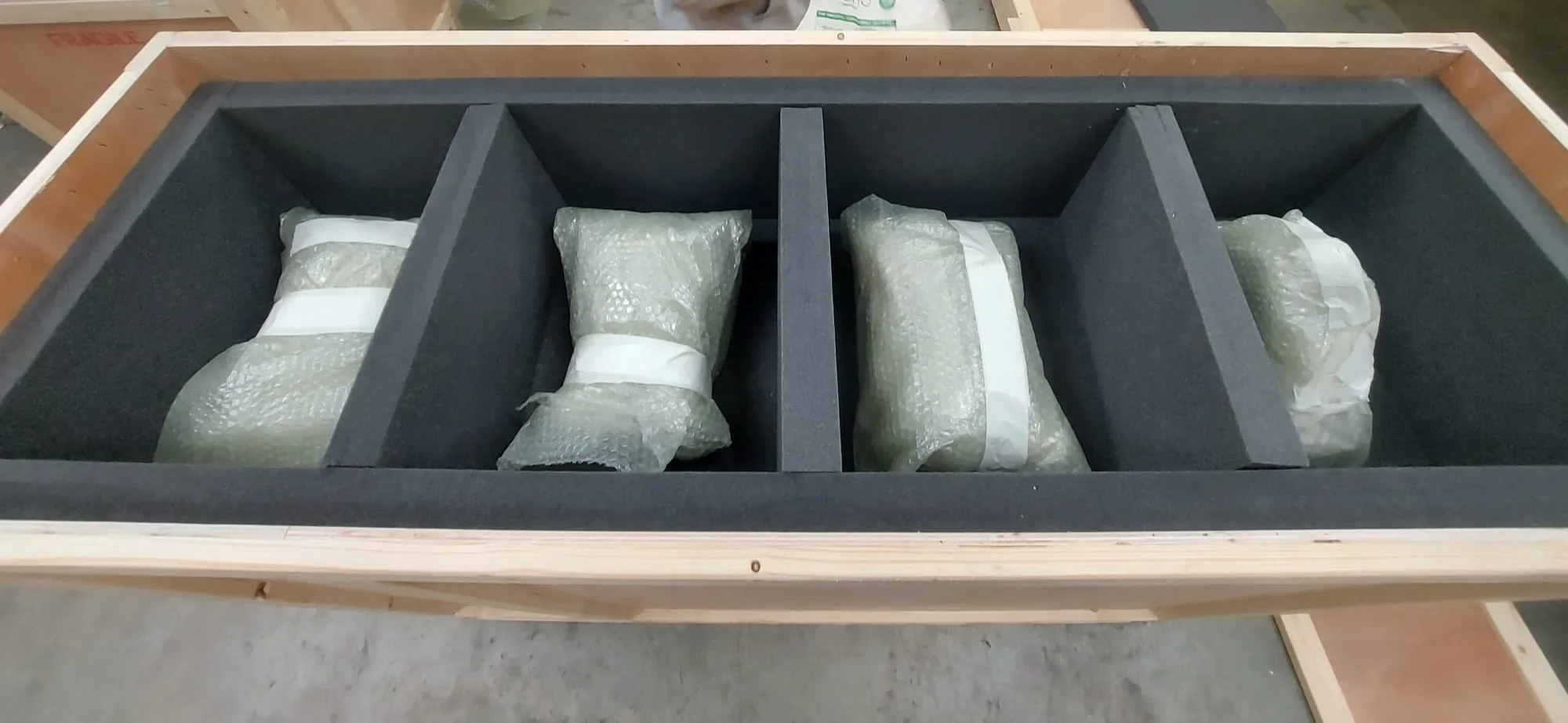
The lining is chosen for the piece. HLB22 soft foam (charcoal grey, soft) suits fragile surfaces like gilding and ceramics. High density foam (white, firm) suits heavy, solid pieces. Polystyrene (rigid and light) is the most affordable and suits lighter pieces.
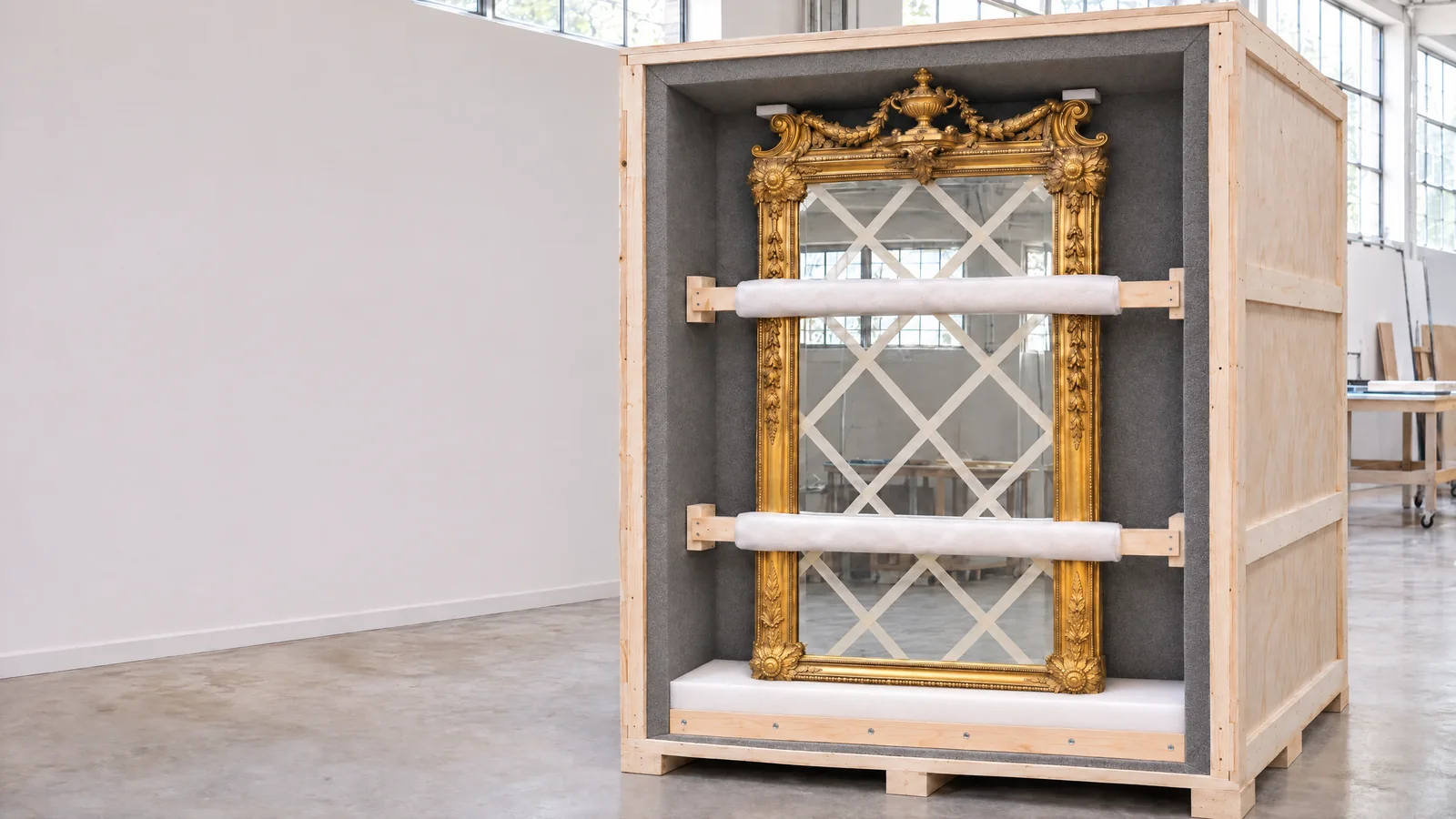
Taped in a lattice before packing, so if the glass cracks it stays in place. Flat pieces are held with padded battens. See mirrors and glass.
Each part packed in its own foam compartment, so nothing knocks against anything else. See antique clocks.
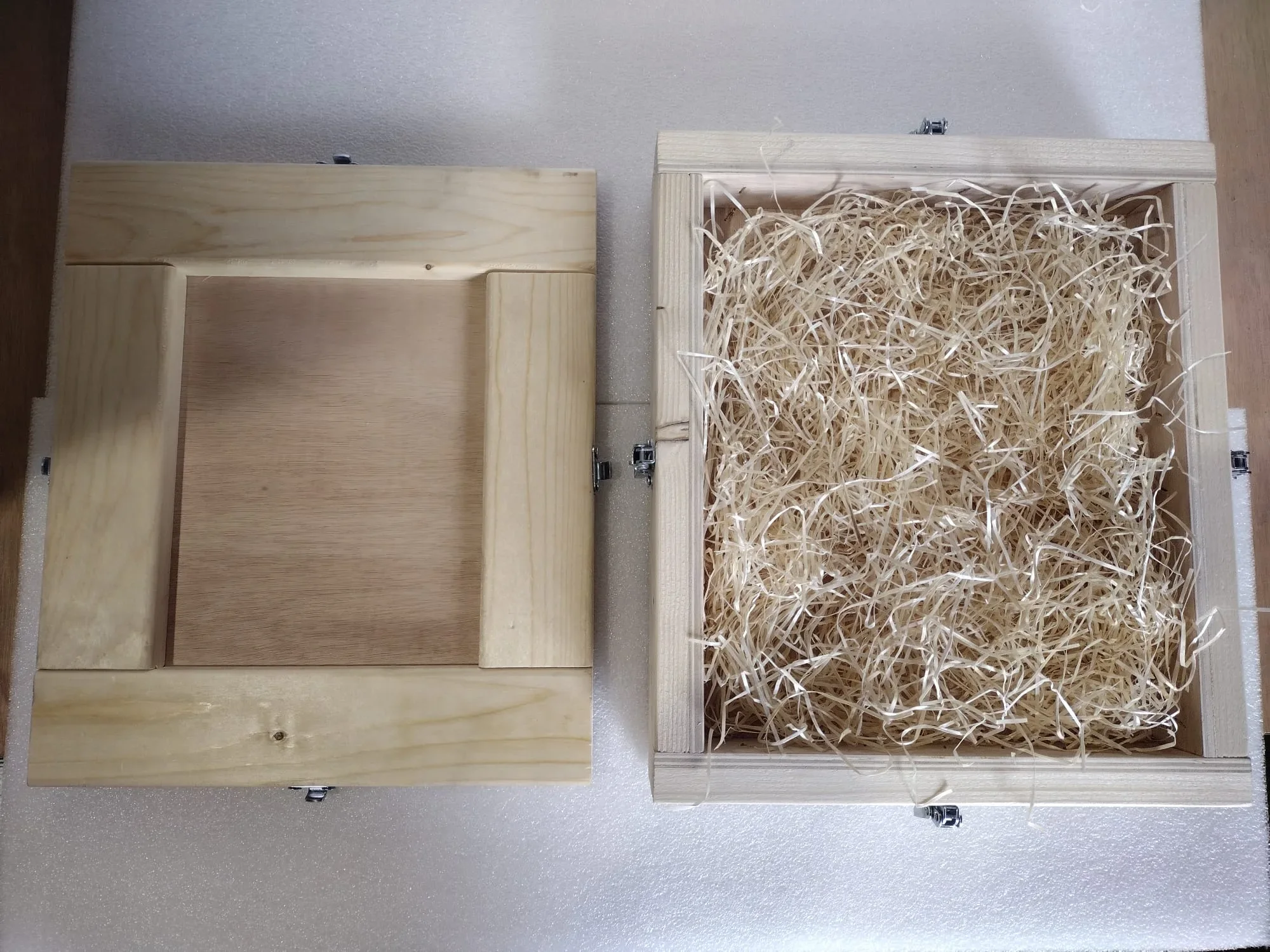
Boxed with wood wool or foam, then packed inside a crate.
Held with high density foam blocks, so the weight can't shift. See sculpture.
Why antiques need different care
An antique has already lived a long time in one place. Moving it changes its temperature, its humidity and the way it's supported, all at once.
Sudden changes in humidity are hard on old timber, veneer and painted surfaces. Wrapping and a closed crate slow those changes down, which is one reason a crate is worth it for older pieces. See our crate or box guide for when a crate makes sense.
| Weak point | What can go wrong | How it's packed |
|---|---|---|
| Old glass and mirror plate | Cracks under pressure or a sharp knock | Taped in a lattice, held flat with padded battens |
| Moving parts | Pendulums, weights and hands swing and break | Removed where possible, each in its own compartment |
| Gilding and carved frames | Rubs, chips and losses at the corners | Tissue paper first, then HLB22 soft foam |
| Veneer and old joints | Lifting or loosening if the piece flexes | Supported evenly so no part carries the load |
| Ceramics and porcelain | Chips at rims, handles and feet | Bedded in soft foam or wood wool, never touching |
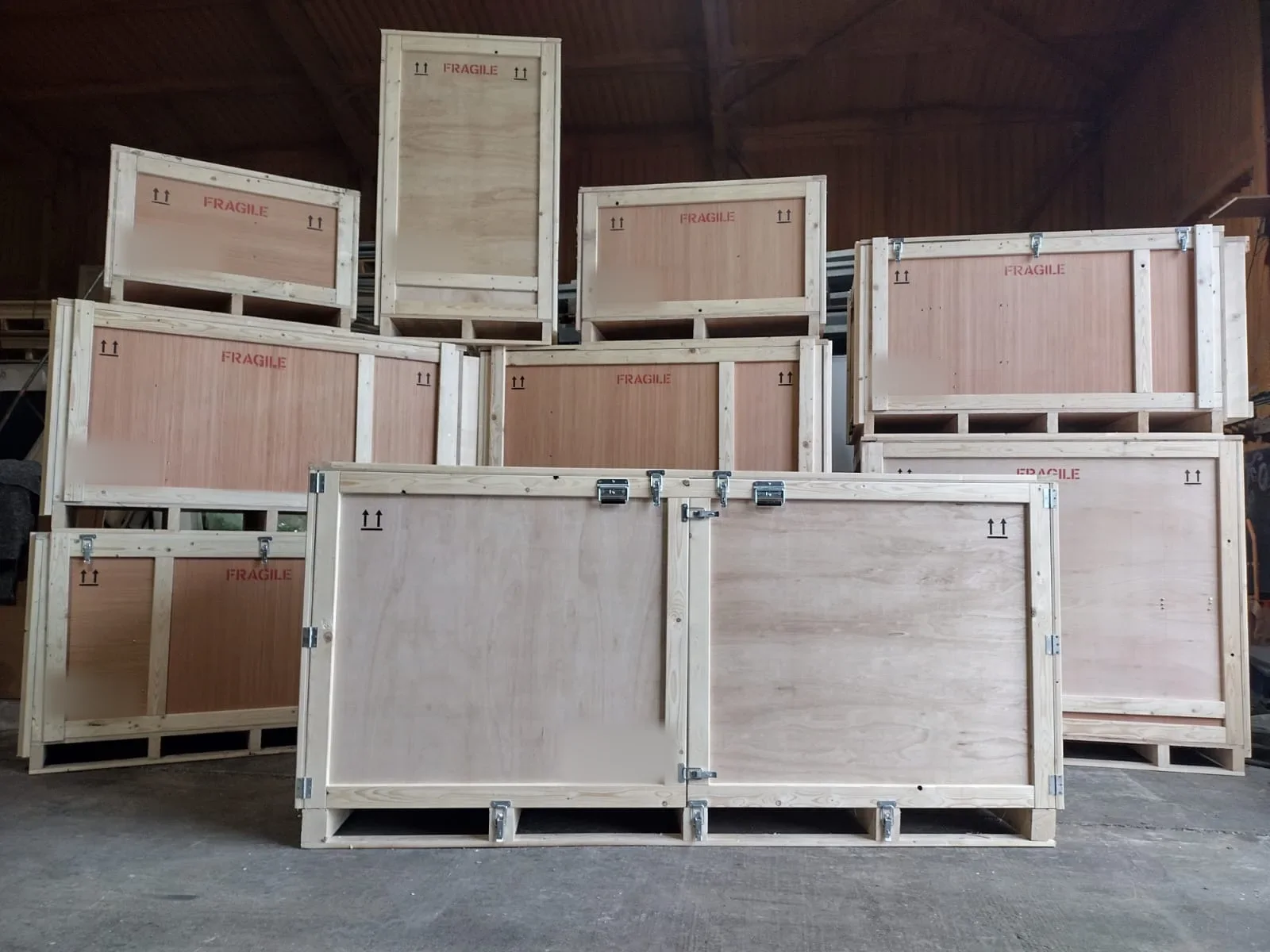
Send us a photo and the measurements.
We’ll recommend the crate, the lining and the supports, and come back with a bespoke quote.
Do antiques need an export licence to leave the UK?
Some do. Cultural goods more than 50 years old need an export licence to leave Great Britain for anywhere outside the UK. For most objects, a general licence, the Open General Export Licence, covers them automatically if their value is below set thresholds. Above those values, an individual licence from Arts Council England is needed before the piece can go.
These are the thresholds published by Arts Council England, which have not changed for many years. Some categories have their own limits, and the figures can change, so check the current list on the Arts Council England website before relying on them. Values are usually the market value, not what you paid.
An application can take some time, and important pieces can be referred to an expert panel, so build this into your plans if a piece might be above a threshold.
Not sure if your piece is over a threshold? Check the current rules with Arts Council England, or ask your shipper or a customs agent. We don't apply for export licences.
| Type of object (over 50 years old) | Individual licence usually needed at or above |
|---|---|
| Most objects, including furniture, clocks and decorative art | £65,000 |
| Oil and tempera paintings | £180,000 |
| Photographs | £10,000 |
| Archaeological material and some items found in the UK | Any value |
Ivory, tortoiseshell and rosewood: CITES
Many antiques contain materials from protected species: ivory inlay or keys, tortoiseshell veneer, Brazilian rosewood, coral or whalebone. International trade in these is controlled under CITES, and permits can be needed to leave the UK and to enter the country it's going to, even for old pieces.
- In the UK, CITES permits are issued by the Animal and Plant Health Agency (APHA). A UK permit doesn't guarantee the other country will issue one.
- Ivory is the strictest. The UK's Ivory Act restricts dealing in most ivory items, with narrow exemptions that need registering or certifying. Exporting ivory of any age outside the UK normally needs a permit.
- Going to the US, antiques made with protected species usually have to be at least 100 years old, meet strict conditions and enter through one of the ports US Customs designates for antiques. African elephant ivory faces tight limits, and commercial imports are largely banned.
- Tortoiseshell and rosewood in old tea caddies, boxes and furniture can also need permits, depending on the species and the item.
If your antique contains ivory, tortoiseshell, rosewood or another protected material, check what permits it needs well before it ships. We don't handle permits, so you or your agent will need to apply. Permits take time, and a piece shipped without them can be seized at the border.
Duty and VAT at the other end
- USA. Antiques over 100 years old are normally duty free under the US tariff (heading 9706). Evidence of age helps, and the position under the 2026 extra tariffs has been less clear for antiques than for original art, so check it with a customs broker. See shipping to the USA.
- EU. Customs duty is usually nil on antiques, but import VAT is charged. Many EU countries use a reduced rate for antiques, and it differs by country. See shipping to Europe.
- Elsewhere. Every country has its own rules, so check them with your shipper or a customs agent.
For dealers, collectors and families
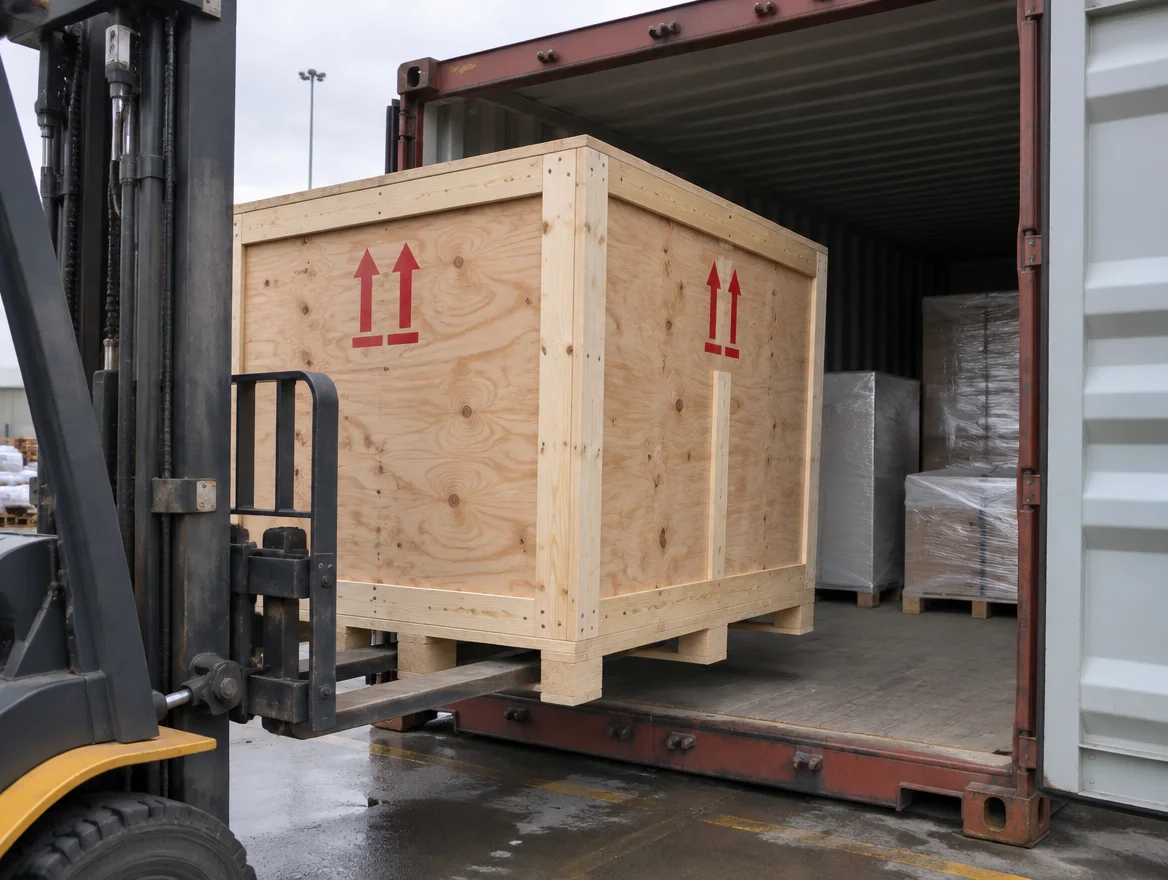
We work with antique dealers as well as private collectors and families, 7 days a week from 9am to 4pm, which helps around fairs and auctions. Whether it's one clock or a whole house of pieces, each item is packed for what it is.
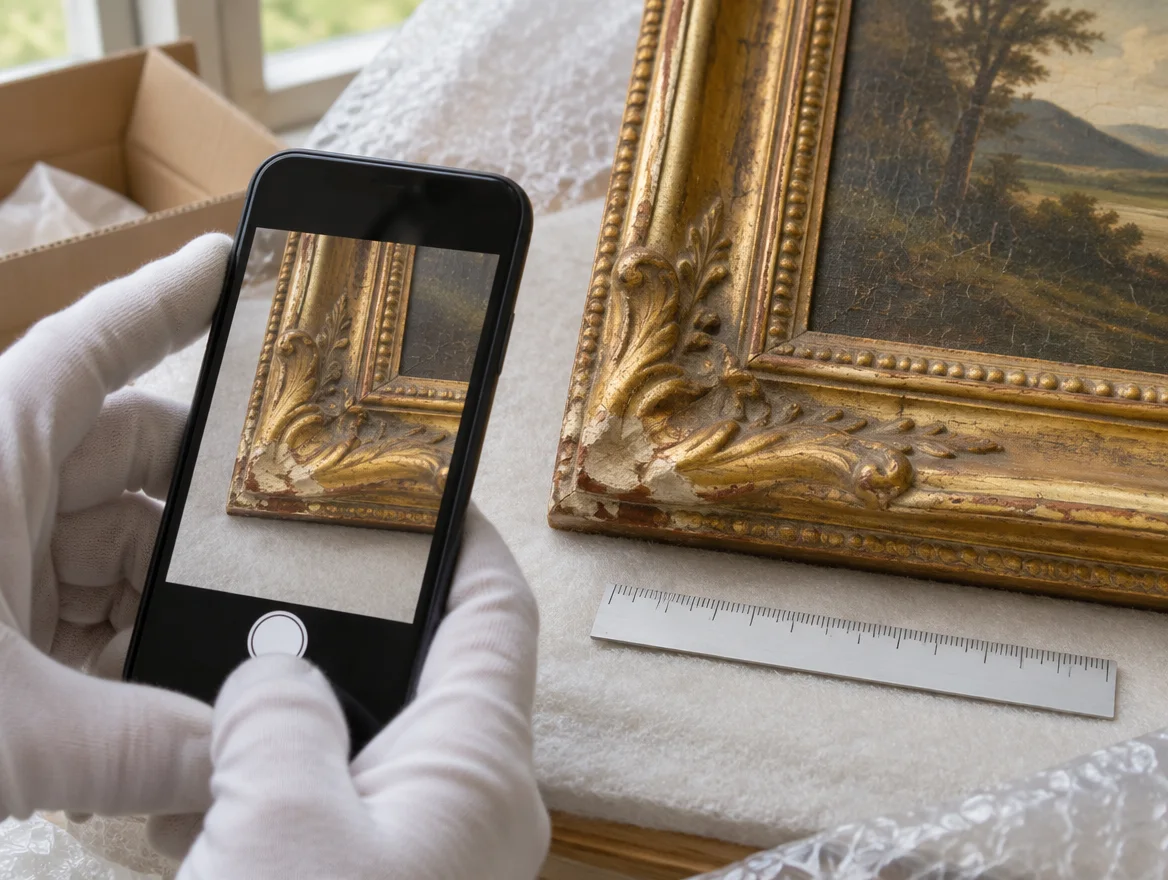
- Photograph each piece before it's packed, including any existing wear or damage
- Note anything loose, repaired or fragile so it can be packed around
- Keep provenance, invoices and age evidence together for customs
- Check whether anything contains ivory, tortoiseshell or rosewood
- Arrange transit insurance for the full value. See insurance
Common questions
What's the best way to ship antiques? +
Pack each piece for its weak points (glass, moving parts, old joints), hold it still inside a crate built to measure, sort the paperwork for its age, value and materials, and insure it for its value.
Do I need an export licence for antiques? +
Some antiques do. Items over 50 years old above set values need an individual licence from Arts Council England. For most objects that threshold has been £65,000, and for oil paintings £180,000. Check the current figures before relying on them.
Can you ship antiques containing ivory? +
Ivory is tightly controlled. Exporting ivory of any age from the UK normally needs a CITES permit, the UK Ivory Act restricts dealing, and the US limits imports. We don't handle permits, so you or your agent will need to check the current rules with APHA and apply before it ships.
Are antiques duty free into the US? +
Antiques over 100 years old are normally duty free under the US tariff. Keep evidence of age, and check how the 2026 extra tariffs apply to your piece with a customs broker.
How do you pack an antique mirror? +
The glass is taped in a lattice so it stays in place if it cracks, then the mirror is held with padded battens in a crate built to measure. See mirrors and glass.
Do you work with antique dealers? +
Yes, as well as private collectors and families. We work 7 days a week, 9am to 4pm, which helps around fairs and auctions.
How much does it cost to ship an antique? +
Every quote is bespoke, based on the item itself: its size, weight, how fragile it is, where it's going and how quickly. Send us the details and we'll come back with a price for your piece.
Is our piece insured in transit? +
Transit insurance is available for every export. It's bought by you, job by job, so the cover matches the piece being shipped. We also have public and product liability insurance.
Related
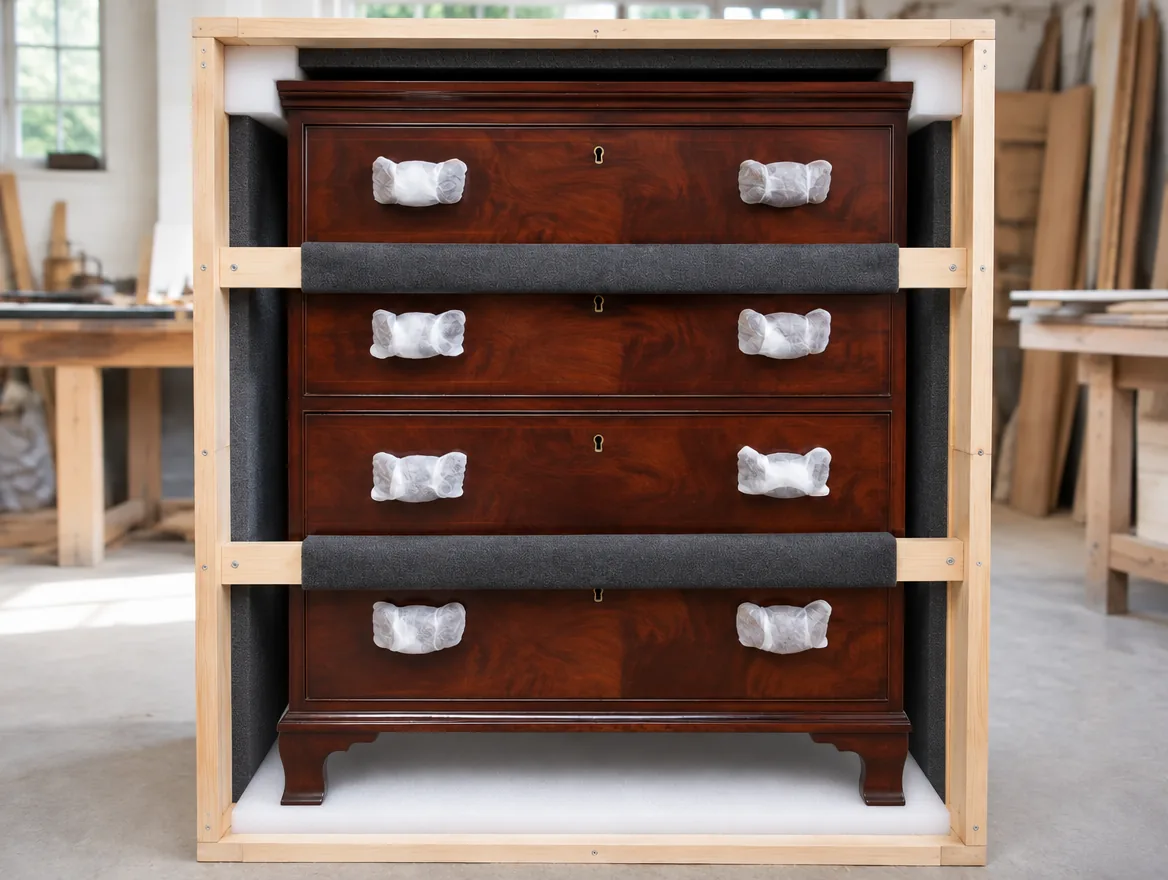
Parts packed apart, finish wrapped, crated upright.
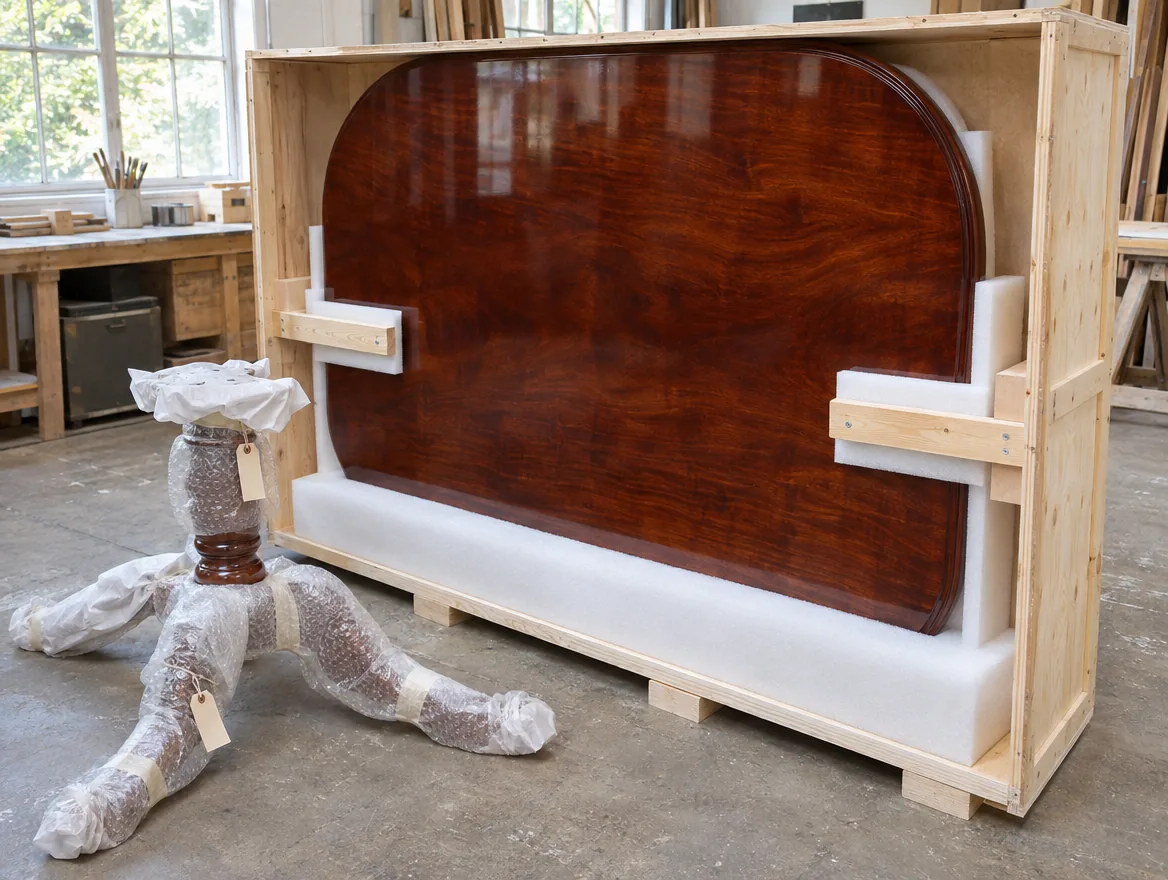
Antique and modern furniture, crated in London for the Atlantic.
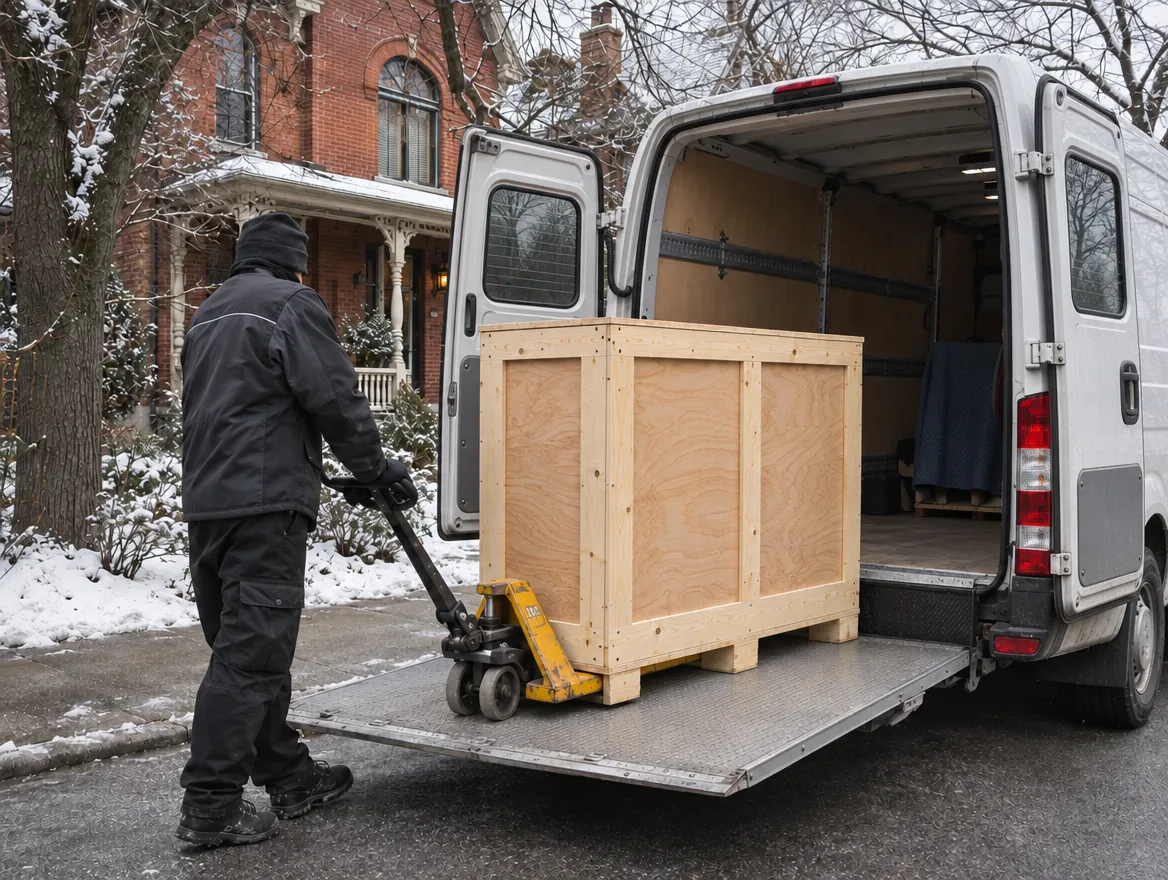
Art, antiques and furniture, crated in London for anywhere in Canada.
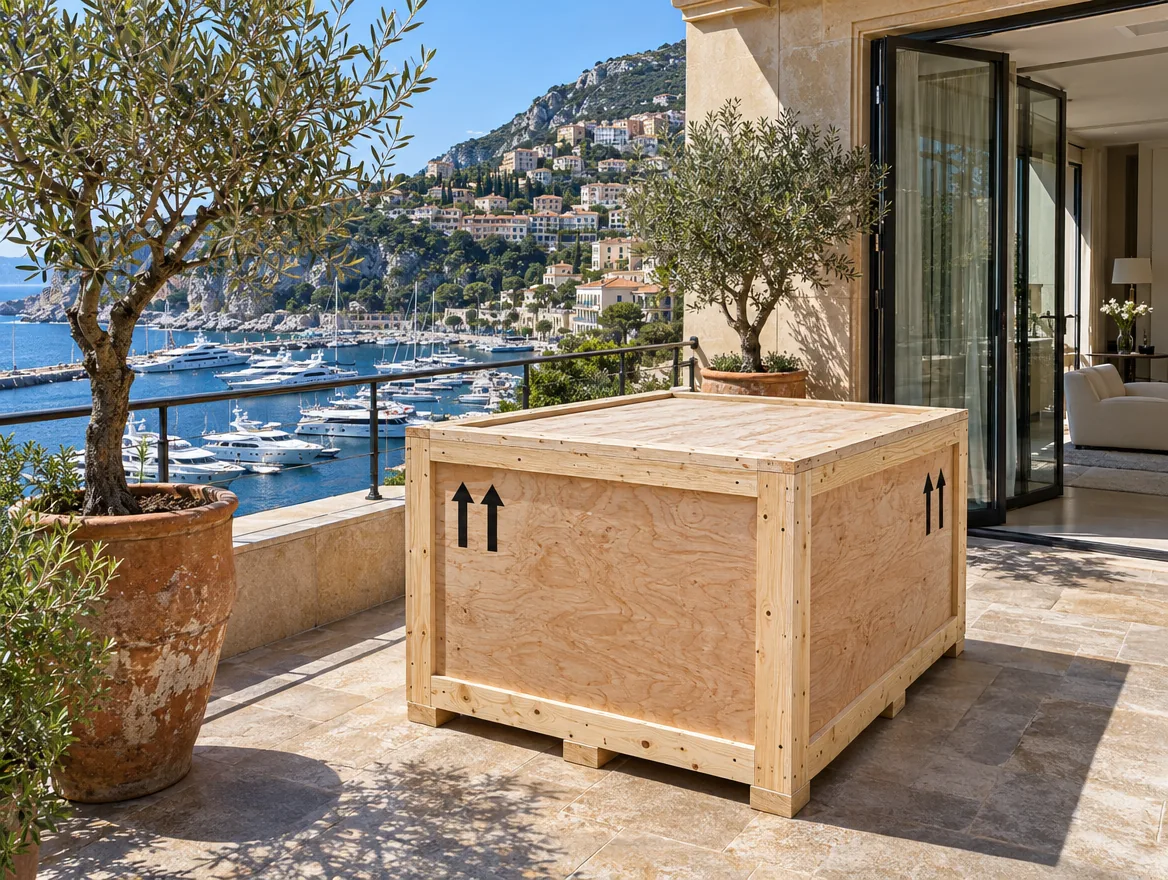
Art, antiques and furniture for Monaco and the Riviera.
Swipe for more →
Tell us what needs to travel.
Every quote is bespoke, based on the piece itself. Send us the details and we'll come back to you.