

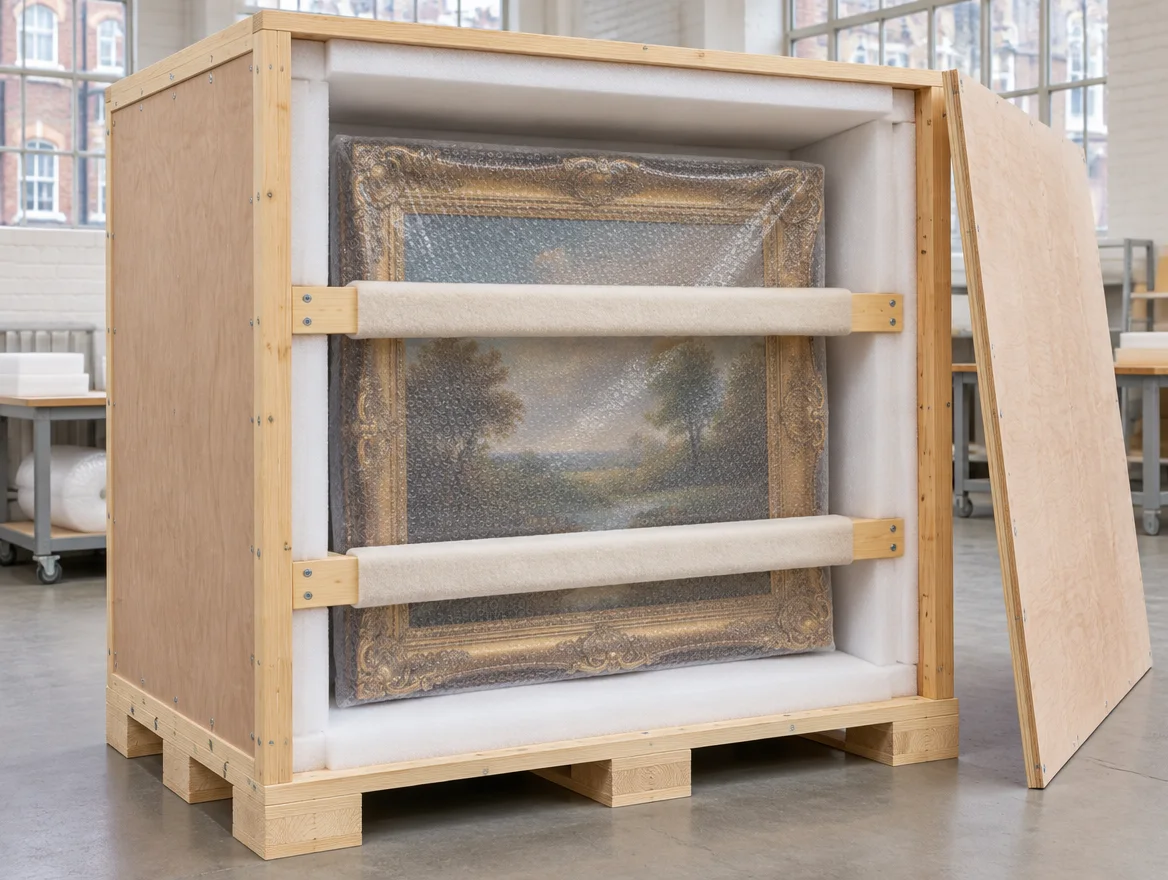
Crate or box: what does your painting really need?
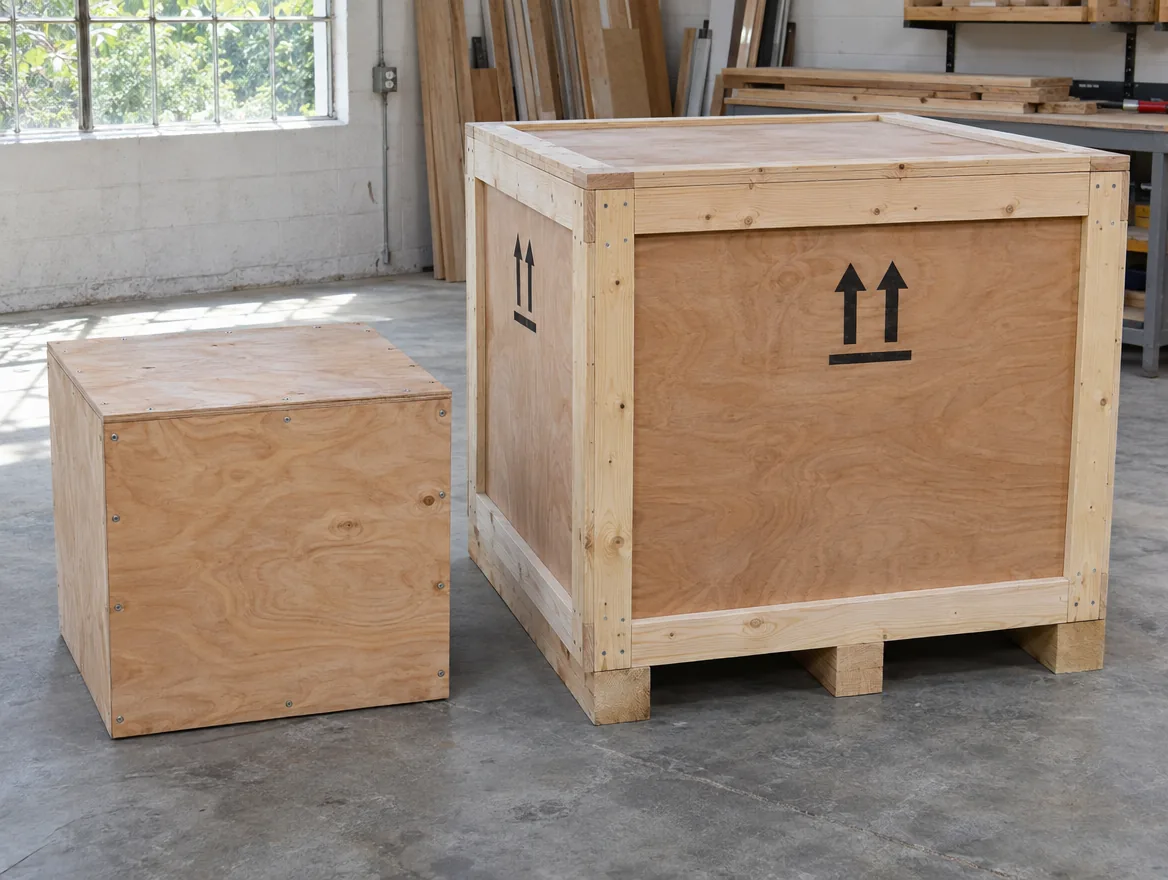
A bespoke wooden crate is the safest way to send anything valuable, fragile, heavy or going a long way. A strong cardboard box can be enough for a small, sturdy piece on a short trip. For a single small object, one of our small wooden presentation boxes sits in between. Here's how to decide what your painting or antique really needs.
The short answer
Choose a crate if your piece is valuable, irreplaceable, behind glass, heavy, an awkward shape, or going abroad. A cardboard box is only worth considering if the piece is small, sturdy, not too valuable and making a short trip with little handling. For one small object that should arrive looking its best, ask us about a small presentation box.
You may also hear about travel frames, a light timber frame some other firms fix a framed work into. We don't offer them. If a piece needs more than a box, we build it a crate.
| Cardboard box | Small presentation box | Bespoke wooden crate | |
|---|---|---|---|
| What it is | A strong cardboard box with padding inside | A small wooden box with a hinged lid and latches, the object bedded in wood wool or foam | A pine and plywood crate built to the piece, lined with foam and fitted to hold it still |
| Best for | Small, sturdy, low-value pieces | Single small objects and gifts | Paintings, mirrors, antiques, sculpture and anything valuable |
| Protects against knocks | Some | Yes, for a small object | All round |
| Protects against crushing | Little | Yes | Yes |
| Good for glass | Risky | Small glass objects, bedded in foam | Yes, with the glass taped |
| Good for going abroad | Rarely | Inside a crate | Yes |
| Cost | Lowest | Ask us | Built for your piece, and priced for it |
When does a painting need a crate?
In our experience, most damage in transit comes from two things: soft packing that gives way, or a box that's too big so the piece moves. A crate built around the object fixes both. Choose a crate when:
- The piece is valuable, or can't be replaced at any price.
- It's going abroad, or will change hands several times on the way.
- It has glass, a fragile gilded or carved frame, or a delicate surface.
- It's heavy, an odd shape, or has parts that could move, like a clock or an installation.
- It will travel by air or sea freight, or sit in a warehouse alongside other goods.
- You want to insure it for its real value, and want packing that matches.
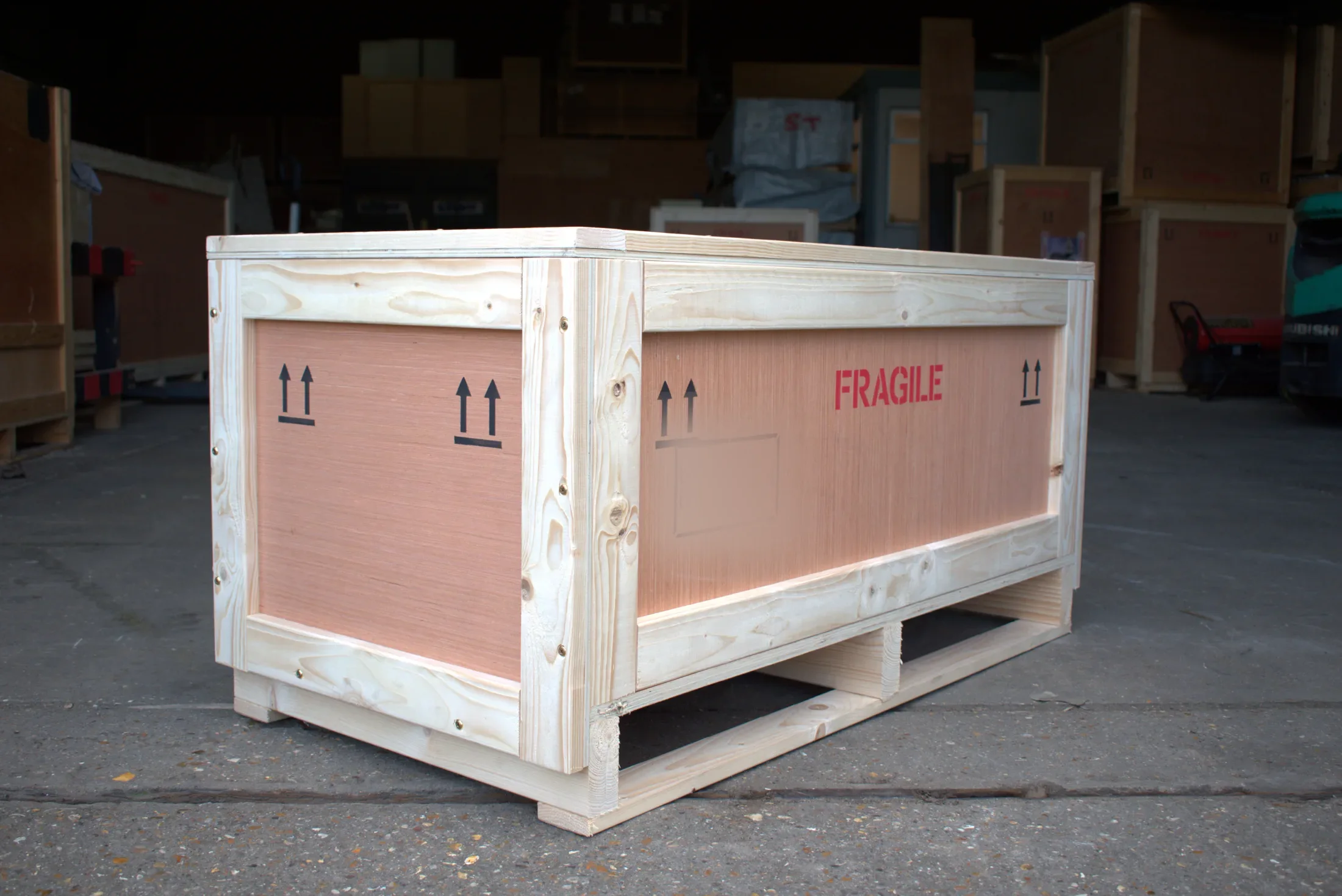
A crate also makes handling clearer. Fragile and This way up markings, a solid base and a fixed shape tell everyone who moves it how it should travel.
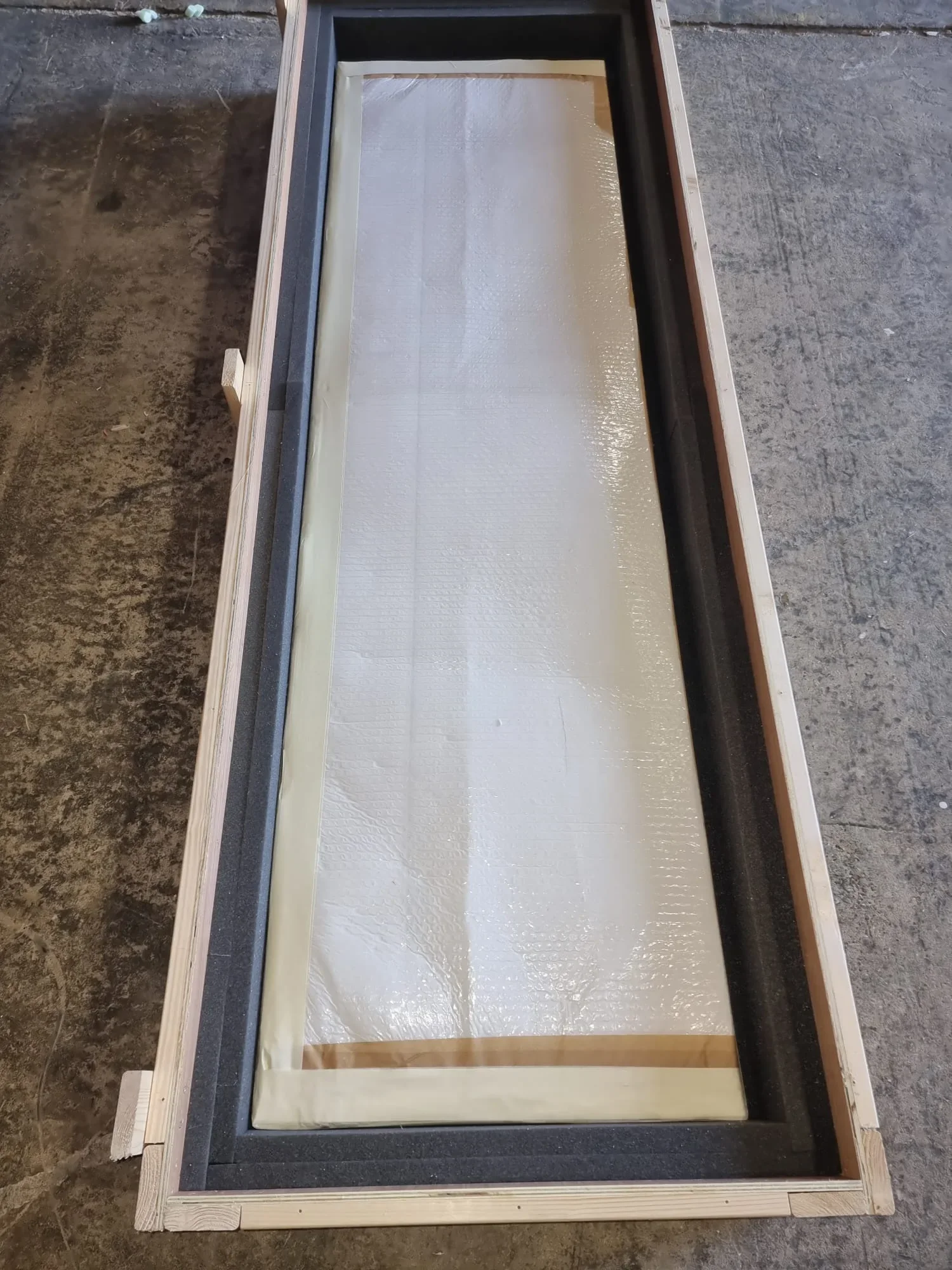
When is a cardboard box enough?
A cardboard box can be fine when all of these are true:
- The piece is small and sturdy, with no glass and no fragile frame.
- It isn't especially valuable, and could be replaced if the worst happened.
- It's a short trip, within the UK, with little handling.
If you do use a box, use a strong double-walled one, wrap the piece in tissue paper and then bubble wrap, leave room for padding on every side, and make sure nothing moves when you shake it gently. A single layer of bubble wrap in a snug box is not enough for a painting.
A box can't be fitted inside the way a crate can, so it can't hold a heavy or awkward piece still, and it softens if it gets damp. That's why we don't suggest one for anything valuable.
Our small presentation boxes
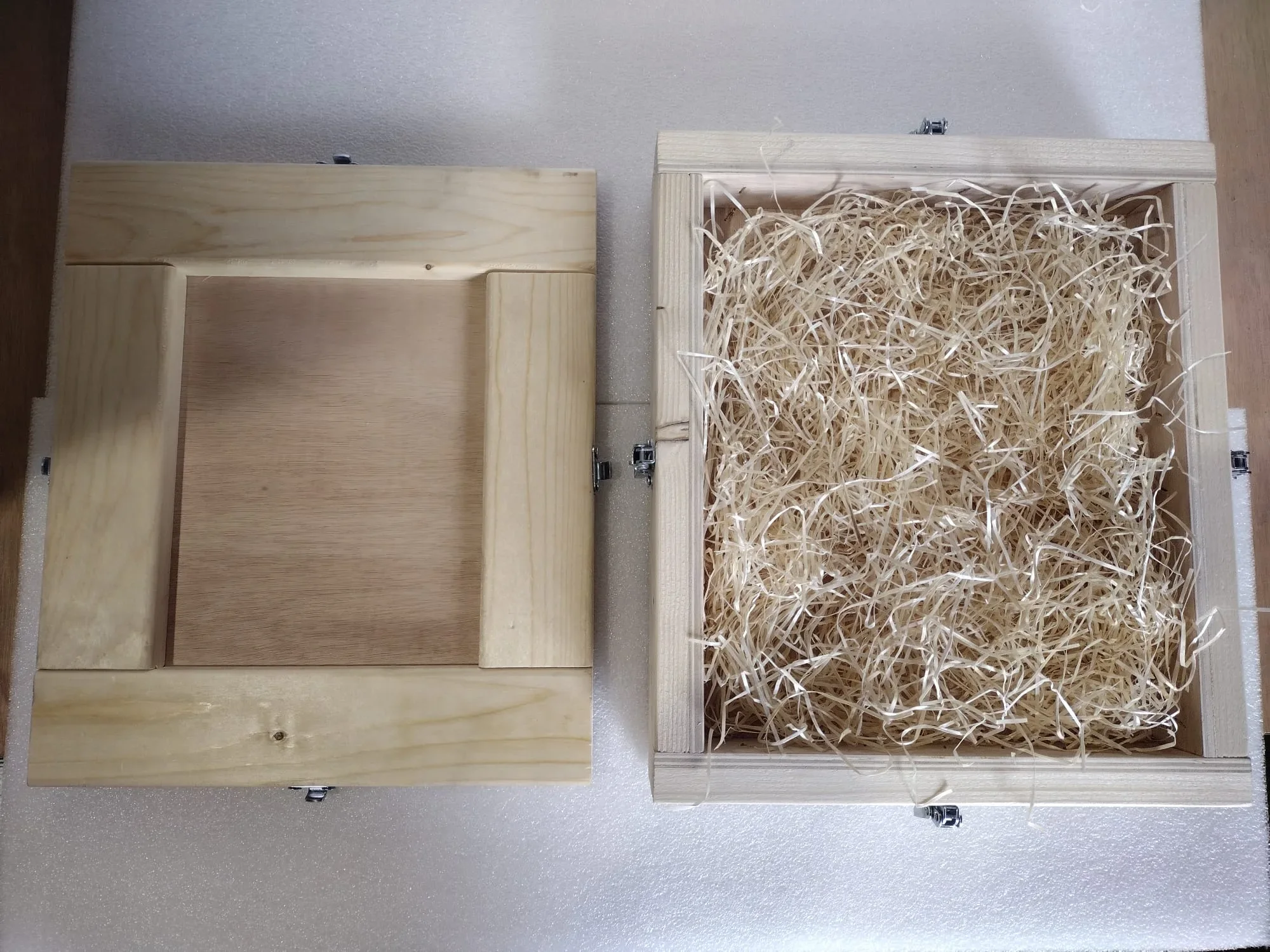
Between a cardboard box and a full crate, we also make small wooden presentation boxes for single objects and gifts. Each has a hinged lid and latches, and the object is bedded in wood wool or foam so it can't move.
They're built by hand in-house, like our crates. For a longer journey, a presentation box can go inside a larger crate, with other pieces around it in their own spaces.
Not sure whether your piece suits a presentation box or a crate? Tell us what it is and its size, and we'll say.
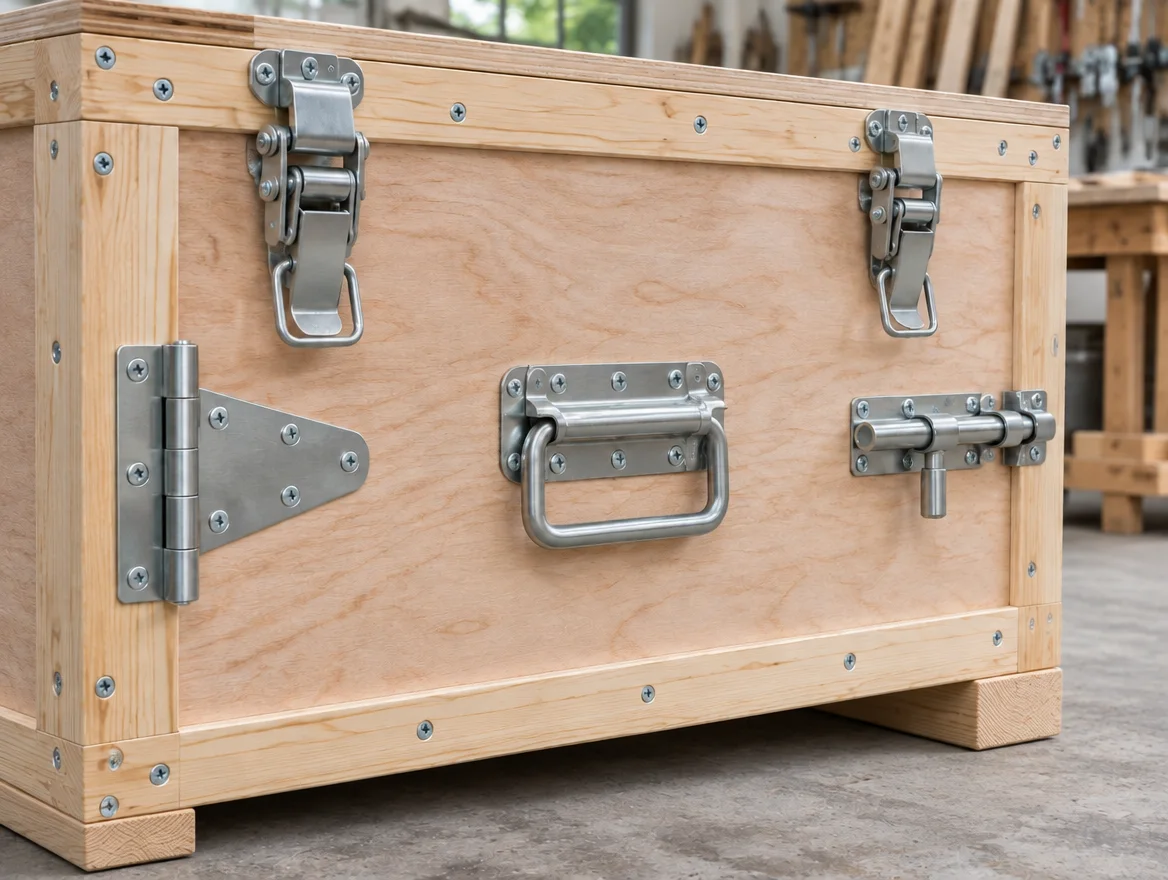
What goes into a bespoke wooden crate?
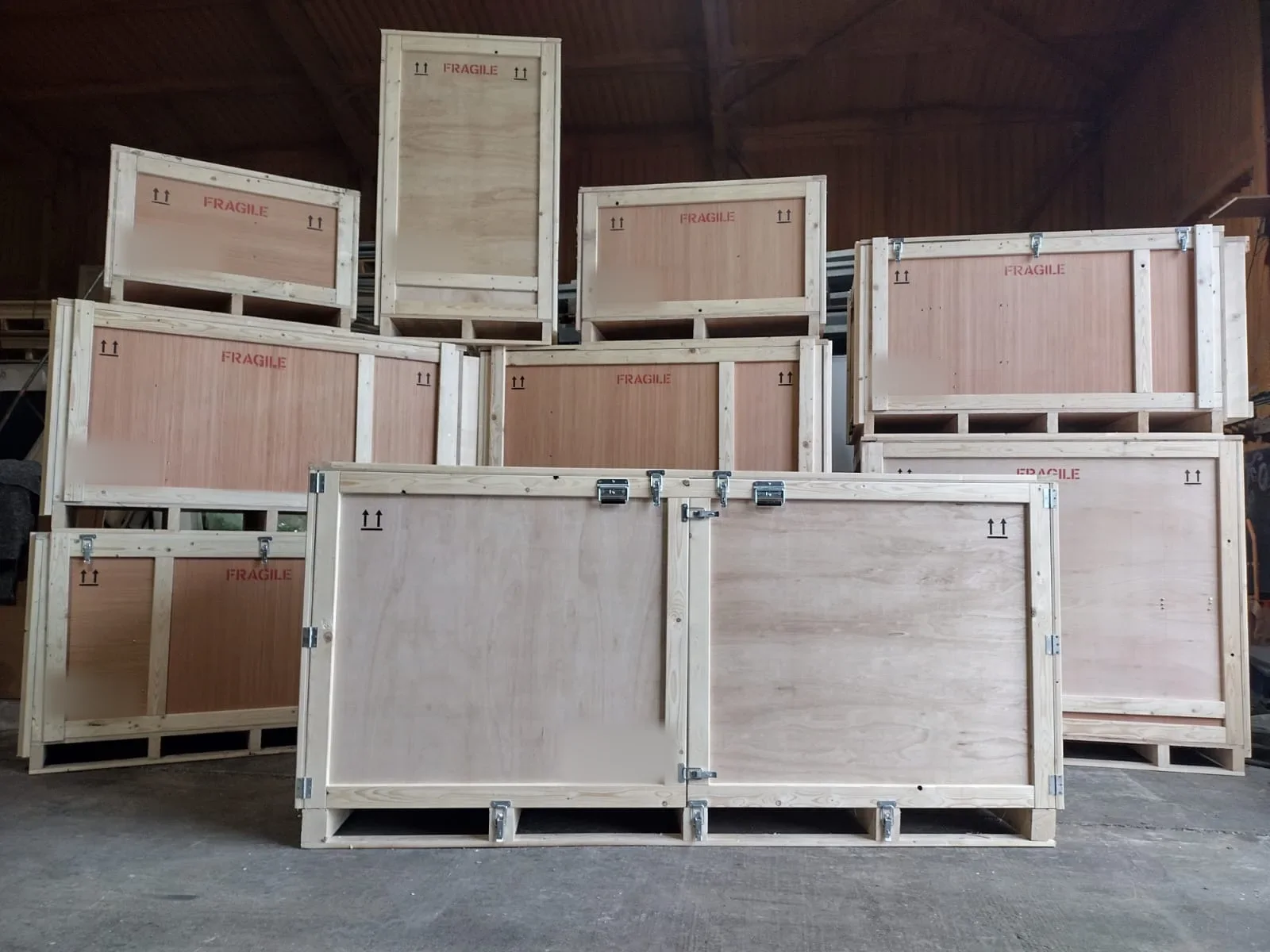
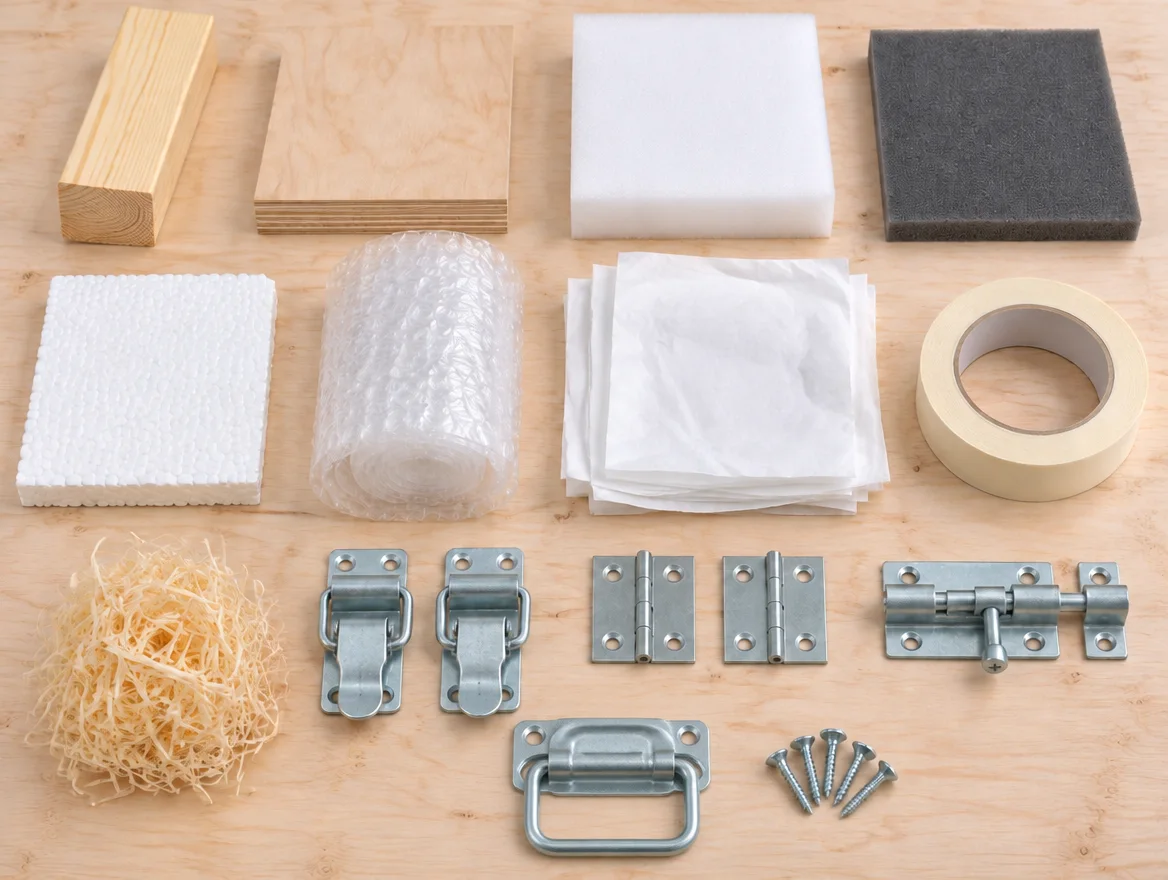
A crate is built for one piece, so what goes inside changes from job to job. These are the parts we use:
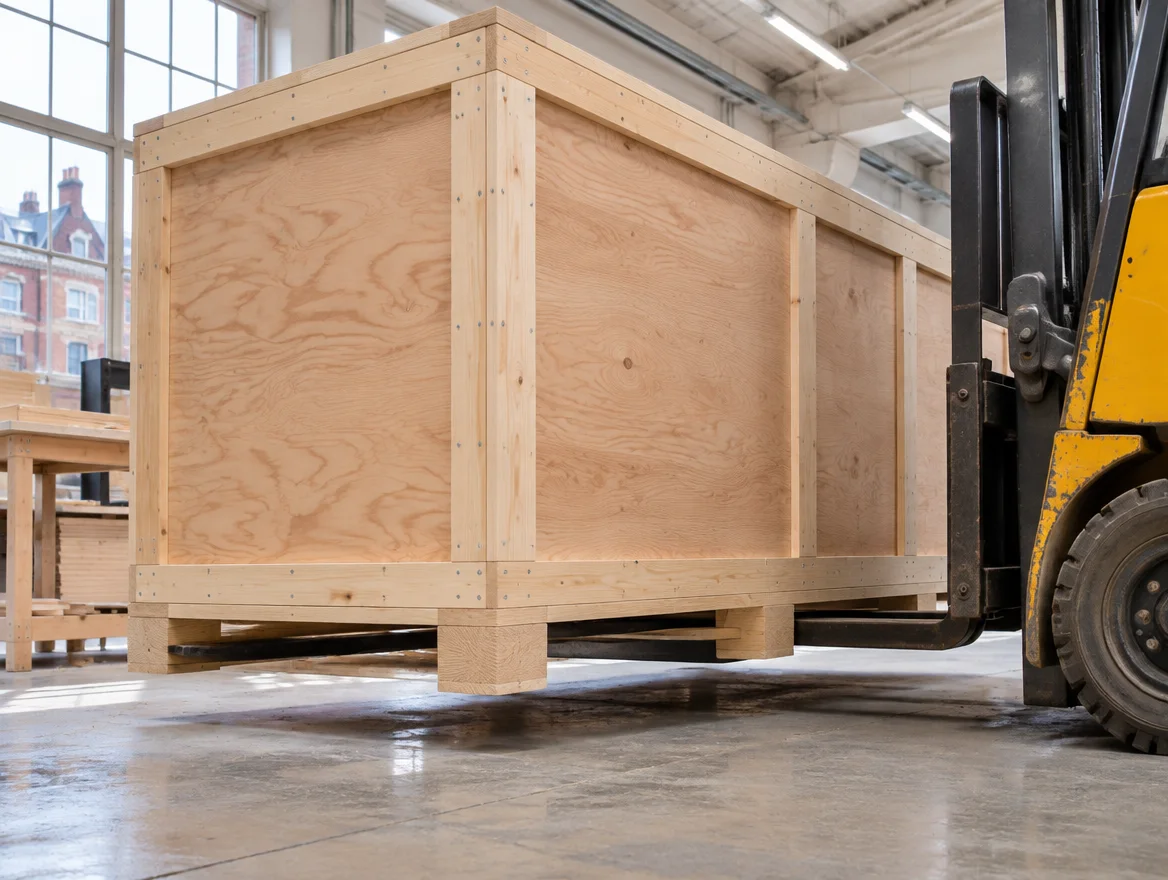
- The shell. A pine timber frame with plywood panels, on timber skids for heavier crates so they can be lifted from below.
- The lining. High density foam, HLB22 soft foam or polystyrene, in 25 mm, 50 mm, 75 mm and thicker.
- What holds the piece. Padded, foam-faced battens for mirrors and flat works, high density foam blocks for busts and sculpture, cut foam cradles and compartments for parts, drawers and racks for collections, A-frame supports for pieces that travel upright, and straps and wheel chocks for motorbikes.
- The hardware. Latches, hinges, bolt locks and handles, all fitted by hand, in-house. Crates that need to be wheeled around a site, like our drawer crates, get castors too.
Send us a photo and the measurements.
We’ll recommend the crate, the lining and the supports, and come back with a bespoke quote.
How should a painting be packed, whatever you choose?
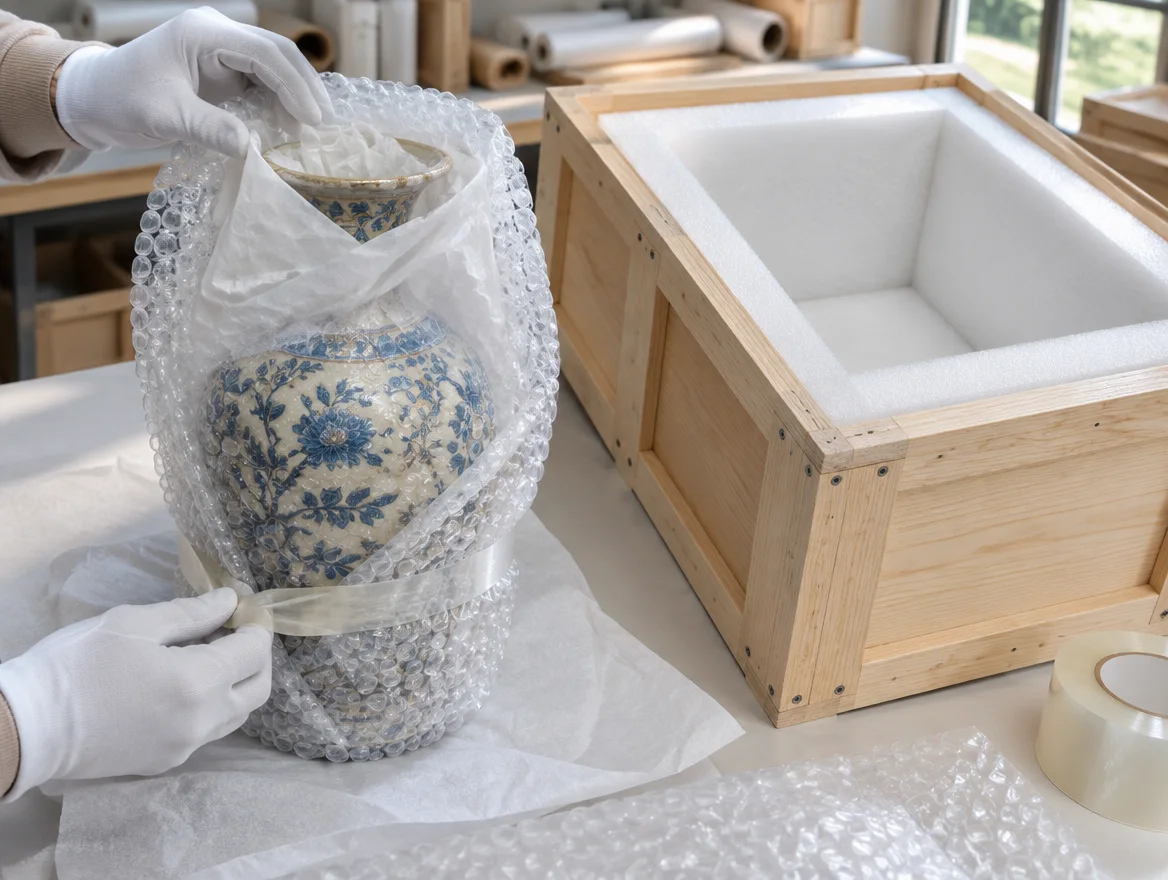
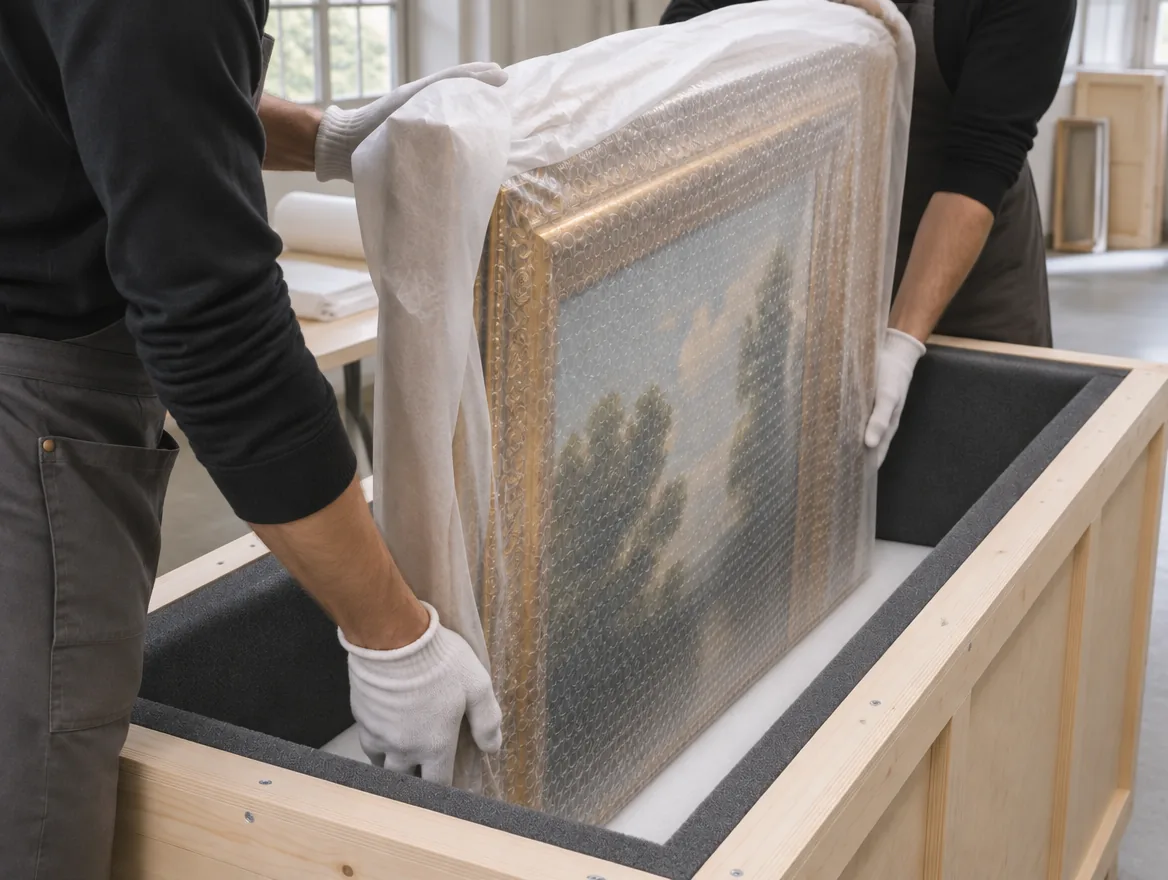
- 01Tissue paper first
Wrap the painted surface in tissue paper. Bubble wrap should never touch paint: it can leave marks, especially in warm conditions.
- 02Then bubble wrap
Bubble wrap goes on over the tissue paper, to cushion the frame and its corners.
- 03Tape any glass
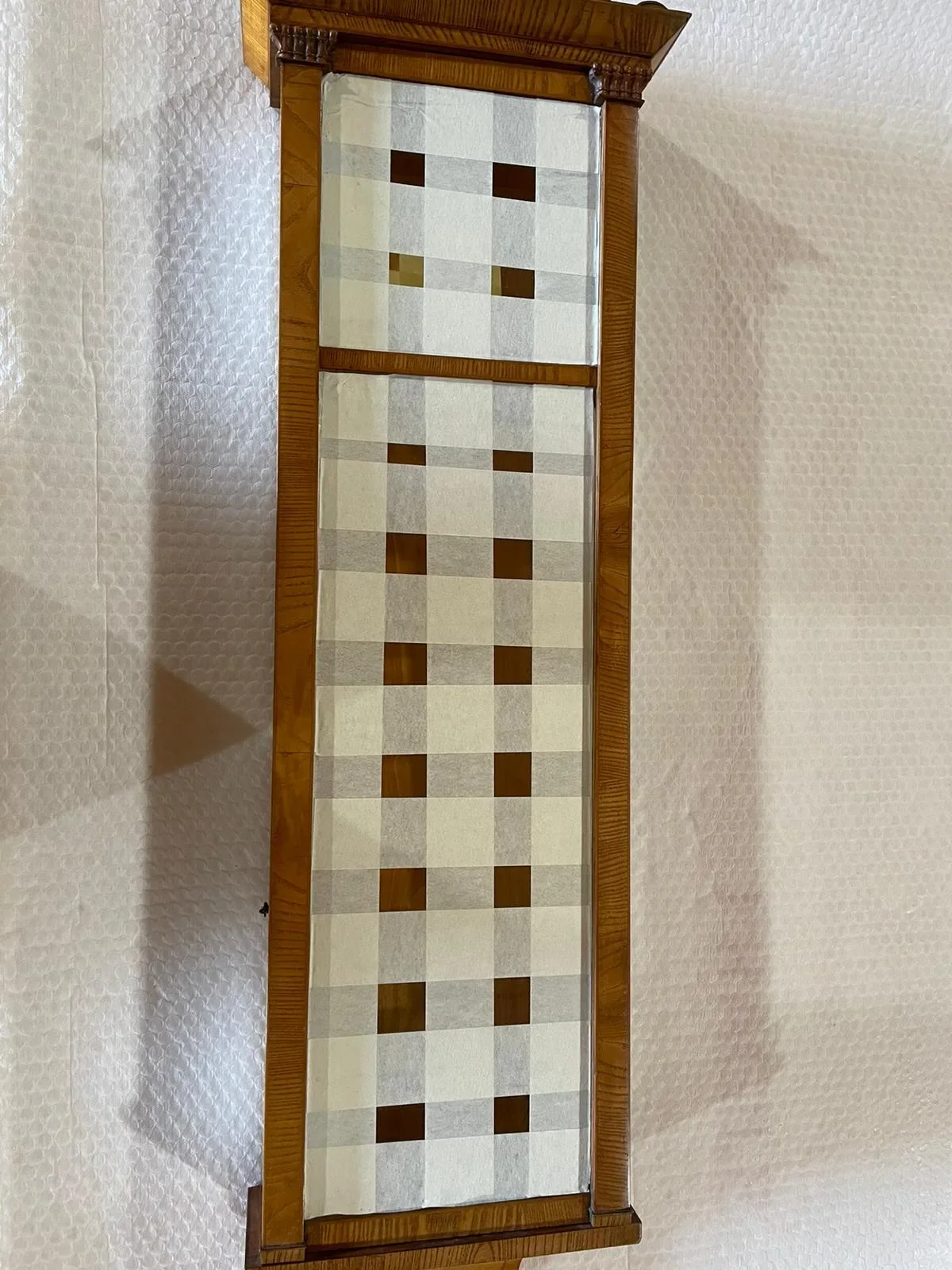
On glazed pictures and mirrors, tape the glass in a lattice with masking tape, so if it cracks the pieces stay in place instead of cutting into the work.
- 04Stop it moving
Hold the piece with foam, blocks or padded battens so it can't shift or rub. Battens are for mirrors and flat works; sculpture is held with high density foam blocks.
- 05Mark it and insure it
Mark the outside Fragile and This way up, and insure it for its real value.
Which lining does a crate need?
Inside a crate, the lining does the real protecting. We use three materials, each in 25 mm, 50 mm, 75 mm and thicker:
High density foam and HLB22 cost about the same as each other. The right one depends on the piece, which is why we choose it for each job.
White and firm. Holds its shape under weight, so it suits heavy pieces, sculpture and the blocks that hold them still.
Charcoal grey and soft. Gives a little, cushioning fragile surfaces.
Rigid and light. The most affordable, good for lighter pieces and lining larger crates.
Damp, heat and humidity
Changes in humidity are one of the main risks to paintings and wooden frames: canvas, panels and frames swell and shrink as the air changes. A closed, lined crate slows those changes down and keeps rain and splashes off the piece, which a cardboard box can't really do.
Whatever you use, keep the packed piece somewhere dry, out of direct sun and away from radiators, and don't pack a work that's still drying. If your piece is especially sensitive, tell us when you request your quote.
What changes the cost of a crate?
A crate costs more than a box because it's built for one piece. What it costs depends on:
- Size and weight. Bigger and heavier pieces need more timber, stronger bracing and a stronger base.
- How fragile it is. Glass, gilding and delicate surfaces need more careful packing and thicker lining.
- The lining. Polystyrene is the most affordable; high density foam and HLB22 cost about the same.
- The journey. Where it's going and how it travels affect what the crate has to withstand.
Every quote we give is bespoke, based on the item itself, and says which lining we recommend and why. See how it works.
Crates for antiques and awkward pieces
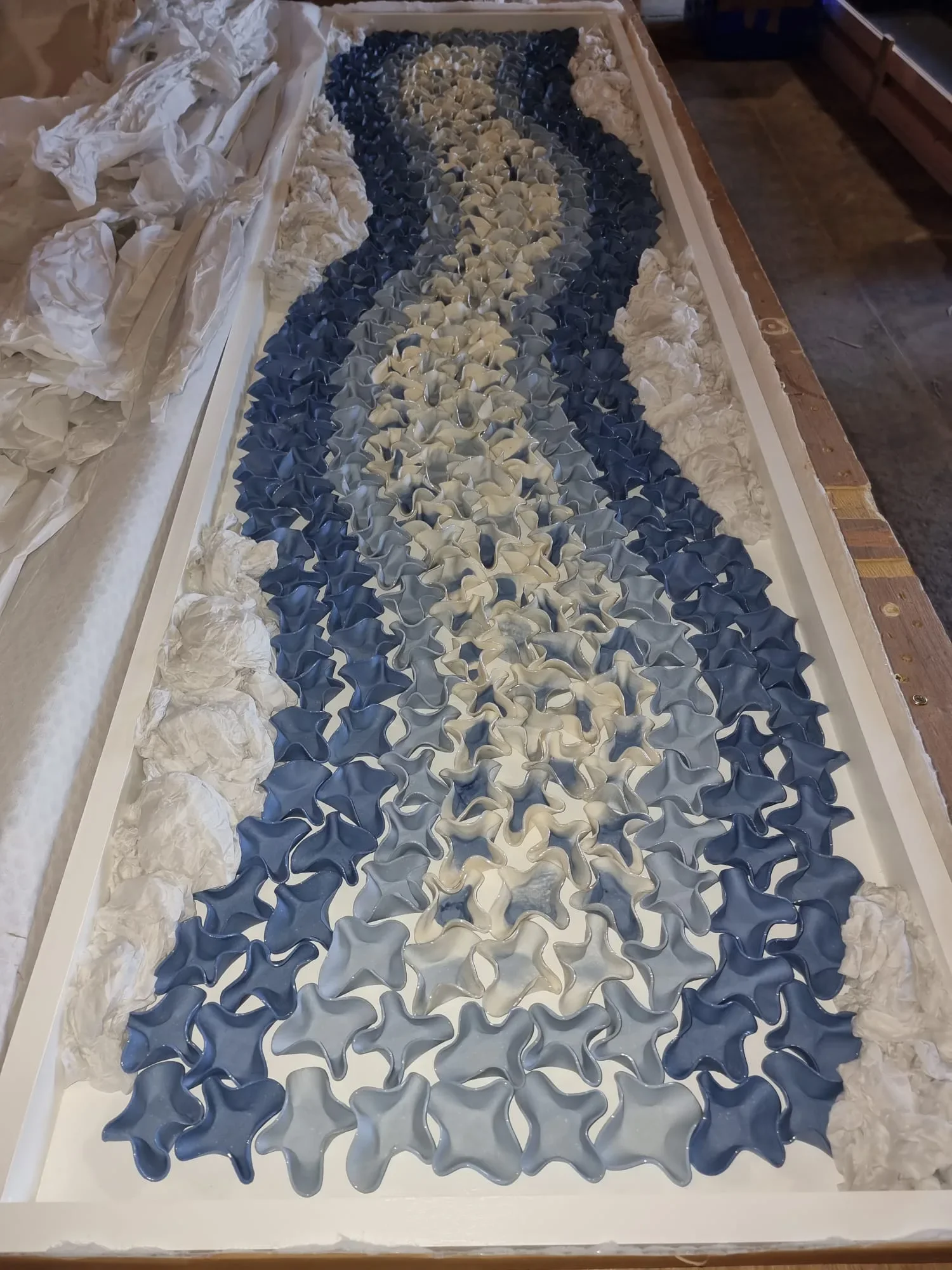
The same thinking applies beyond paintings. Mirrors need their weight on a firm foam cradle along the whole bottom edge. Clocks travel best with every part in its own foam compartment. Heavy pieces need a crate engineered around their weight.
Going abroad? Wooden crates usually need to meet ISPM 15. Read our ISPM 15 guide.
If you're not sure, tell us what it is, how big it is and where it's going. We'll tell you honestly whether it needs a crate. See fine art crating or request a quote.
Common questions
What's the safest way to ship a painting? +
Wrap the surface in tissue paper first, hold the painting still with padding, and use a crate built to its size. Insure it for its real value.
Should bubble wrap touch a painting? +
No. Bubble wrap can mark a painted surface. Wrap the surface in tissue paper first, then put bubble wrap over that.
Does a painting need a crate to go abroad? +
For anything valuable, yes. A crate protects it all round through freight handling and customs, where a box often can't.
Do you make small boxes as well as crates? +
Yes. We make small wooden presentation boxes with hinged lids and latches for single objects and gifts, with the object bedded in wood wool or foam.
Is a crate worth the extra cost? +
For a valuable or irreplaceable piece, usually yes. It's built for that one piece, so it protects it from knocks, crushing and movement.
How should a framed picture with glass be packed? +
Tape the glass in a lattice with masking tape, protect the corners of the frame, and hold it still in a padded crate.
Can I reuse a crate? +
A well-built crate can often be reused for the same piece. If it's going abroad again, check the ISPM 15 mark is still legible and any repairs are treated too.
How much does it cost? +
Every quote is bespoke, based on the item itself: its size, weight, how fragile it is, where it's going and how quickly. Send us the details and we'll come back with a price for your piece, never a standard rate card.
Tell us what needs to travel.
Every quote is bespoke, based on the piece itself. Send us the details and we'll come back to you.