

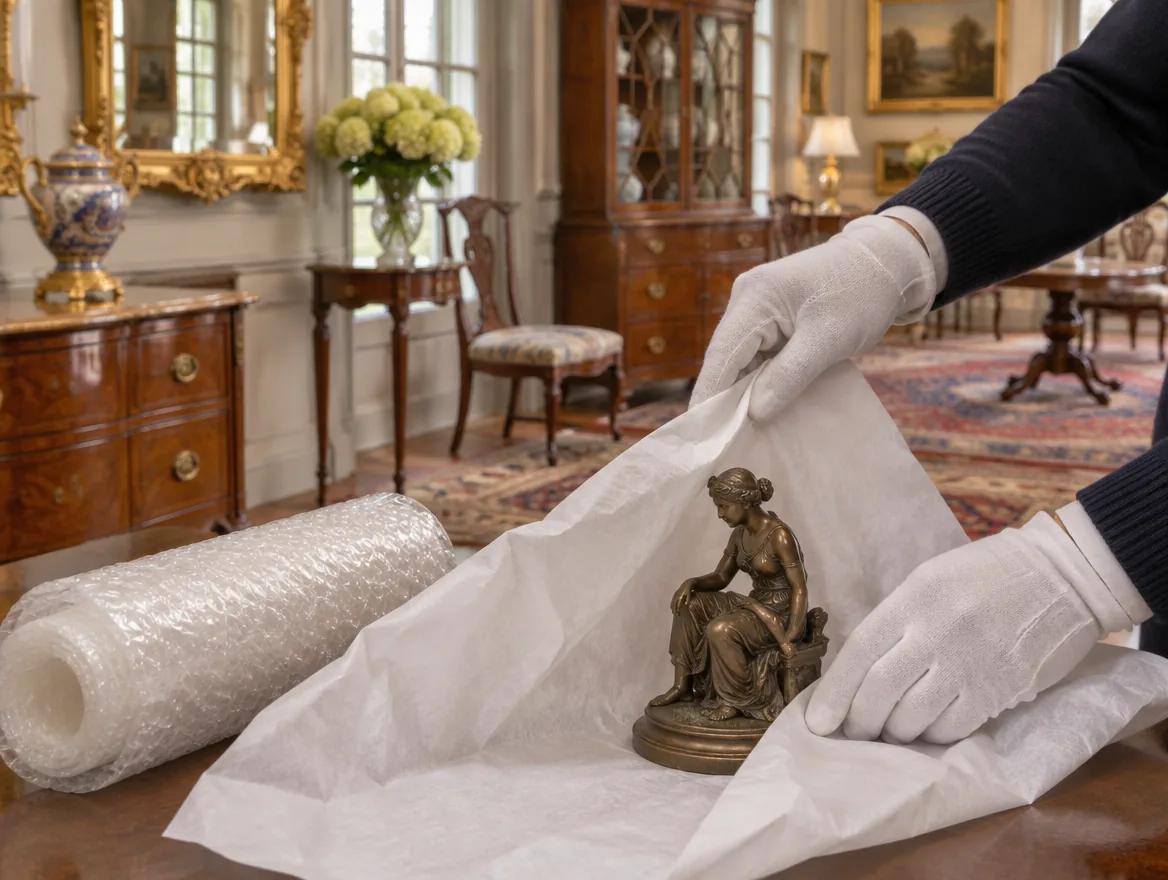
Crating for antique dealers and interior designers
Crating for antique dealers and interior designers is repeat work, and it should feel like it. You tell us what is going and where; we collect from your showroom, your restorer or your client's house, crate it at our warehouse and get it to your shipper, or ship it for you. The same standard every time, and one person to call.
- For
- Dealers, designers, architects, stylists
- We gather
- Pieces from several sources
- Ships to
- US, Europe, Dubai and worldwide
- Experience
- Over 13 years crating
Crating for antique dealers: what matters when you send often?
Consistency. When you send pieces every month, you need every one packed to the same standard, by people who already know how you work. You shouldn't have to explain again how a gilded frame is wrapped or why a bureau travels upright.
We have been crating fine art and antiques for over 13 years. The person who collects your piece is the person who packs and crates it, so fewer hands touch it and there is one person to ask. Every quote is still priced for the piece in front of us, never from a rate card.
Sold pieces sent to buyers abroad, and stock moved between fairs and showrooms.
Many pieces for one house, from many sources, arriving together.
Fireplaces, lighting, stone and statement pieces for a project or a shoot.
Many pieces for one project
An interior designer furnishing a house in New York or Dubai might buy a pair of chairs from one dealer, a mirror at auction, a chandelier from a specialist and a table from a restorer. Four collections, four sets of opening hours, and one client waiting for all of it.
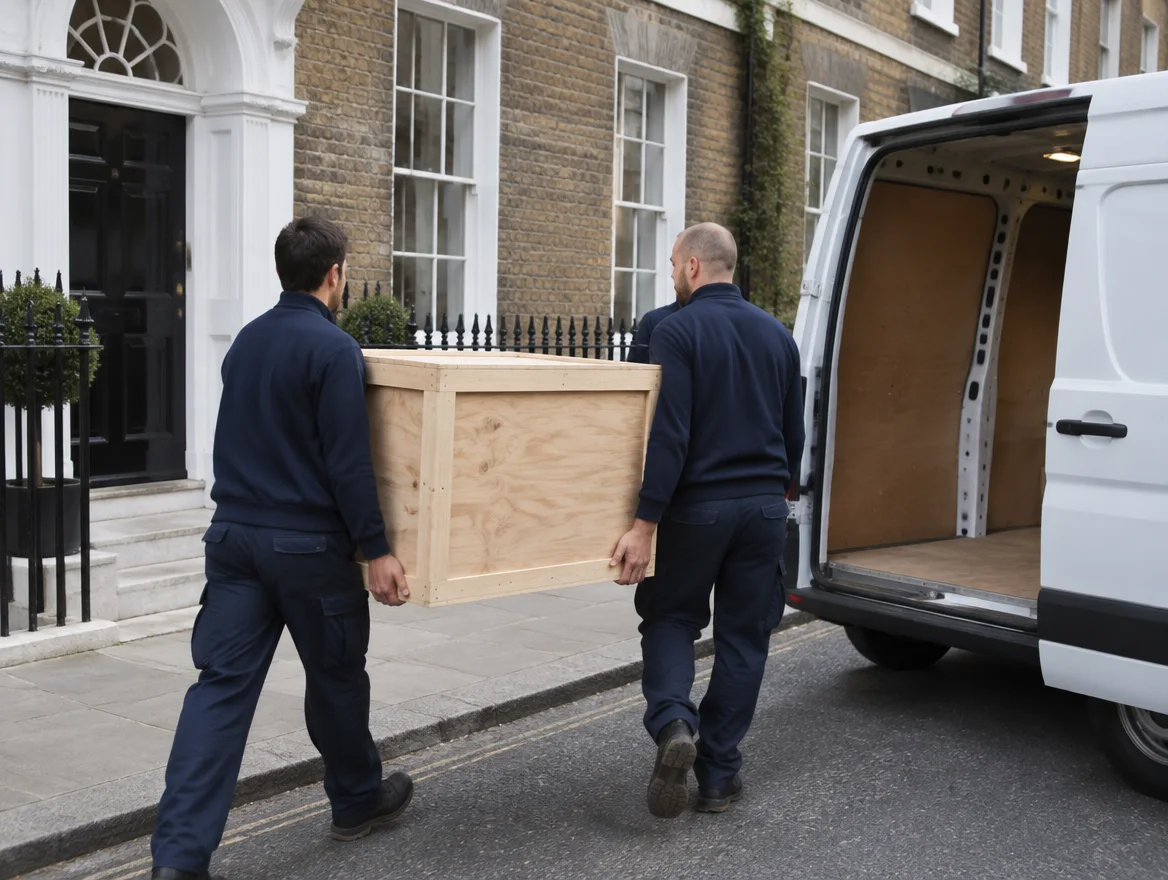
We collect from each source, bring everything to our warehouse, and crate it there. Pieces can go in one crate with a compartment each, or in a set of crates that travel together. Your client then receives one delivery, not four.
- 01Send us the list
Each piece, where it is, a contact there, and whether it has been paid for and released.
- 02We collect
From showrooms, salerooms, restorers, storage or homes, in and out of London.
- 03Gathered at our warehouse
Everything comes to one place, where we can see the whole project together.
- 04Crated as a set
Each piece wrapped and held to suit it, then crated together or as a numbered set.
- 05Onward
Your shipper collects from our warehouse, or we arrange the shipping to your client.
What we need for each piece
The more you tell us up front, the fewer calls we make to your suppliers. For each piece:
- What it is, with a photo or the dealer's listing
- Where it is: the address, opening times and a name to ask for
- Whether it is paid for and ready to release
- Anything fragile: glass, gilding, marble tops, loose drops or finials
- Its value, for the transit insurance you buy
- Where it is going in the end, and when your client needs it
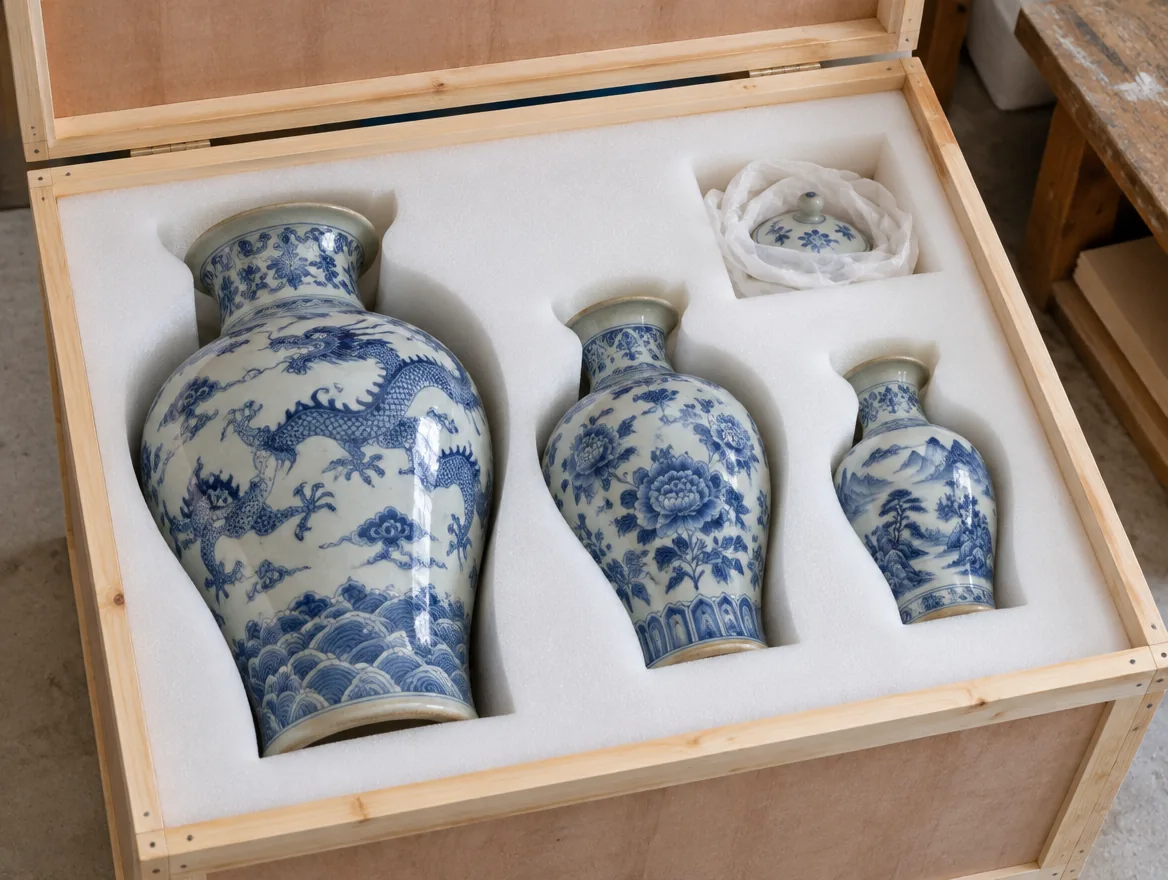
Crates built to your measurements, delivered to your showroom
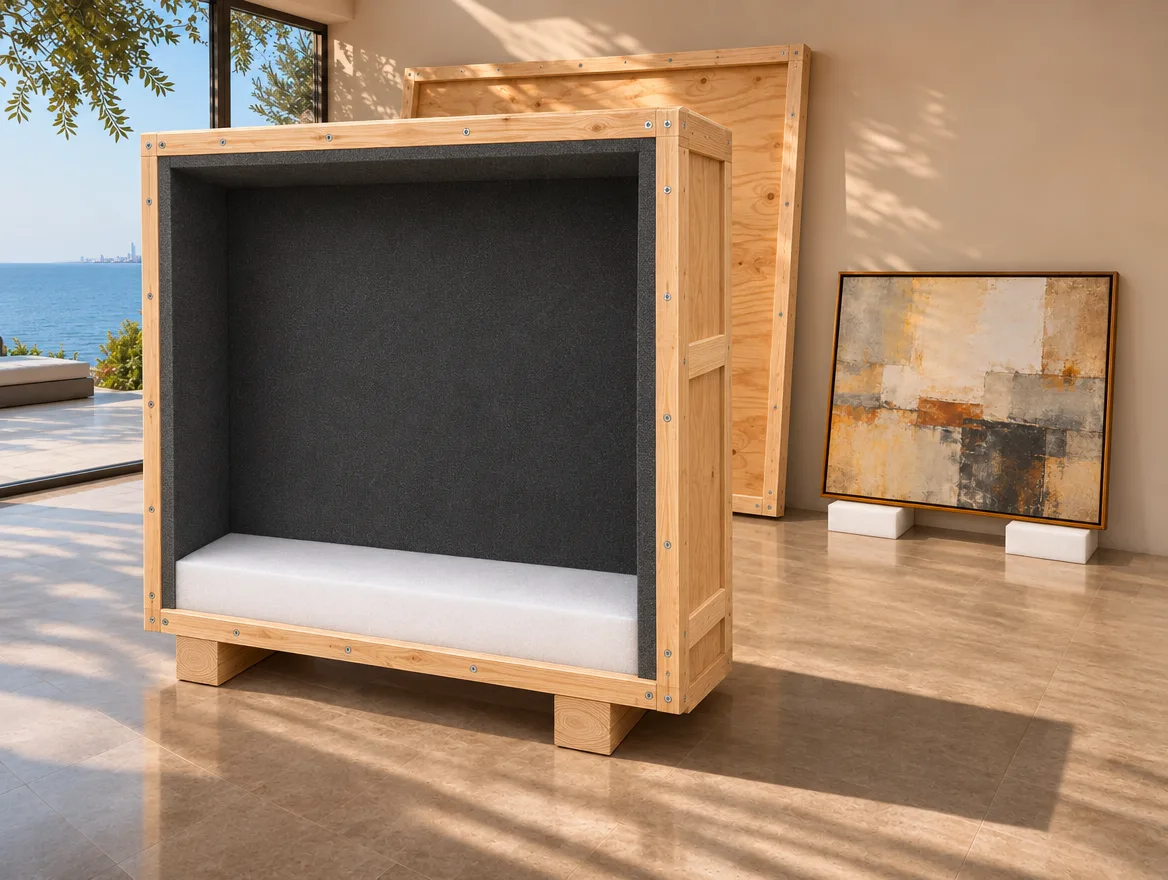
Many dealers prefer to pack in their own showroom. For that, we build crates to your measurements and deliver them to the address you give us. You send the dimensions, roughly what it weighs and what it is. We confirm the measurements with you before we build.
The fit is only as good as the measurements, so measure the piece at its widest, deepest and tallest points. Include handles, mouldings, cornices, feet, castors and any frame. Measure a bureau with its fall closed and a chair at its arms, not its seat.
If you would rather not measure at all, we collect the piece and crate it at our warehouse instead, and build around the piece itself.
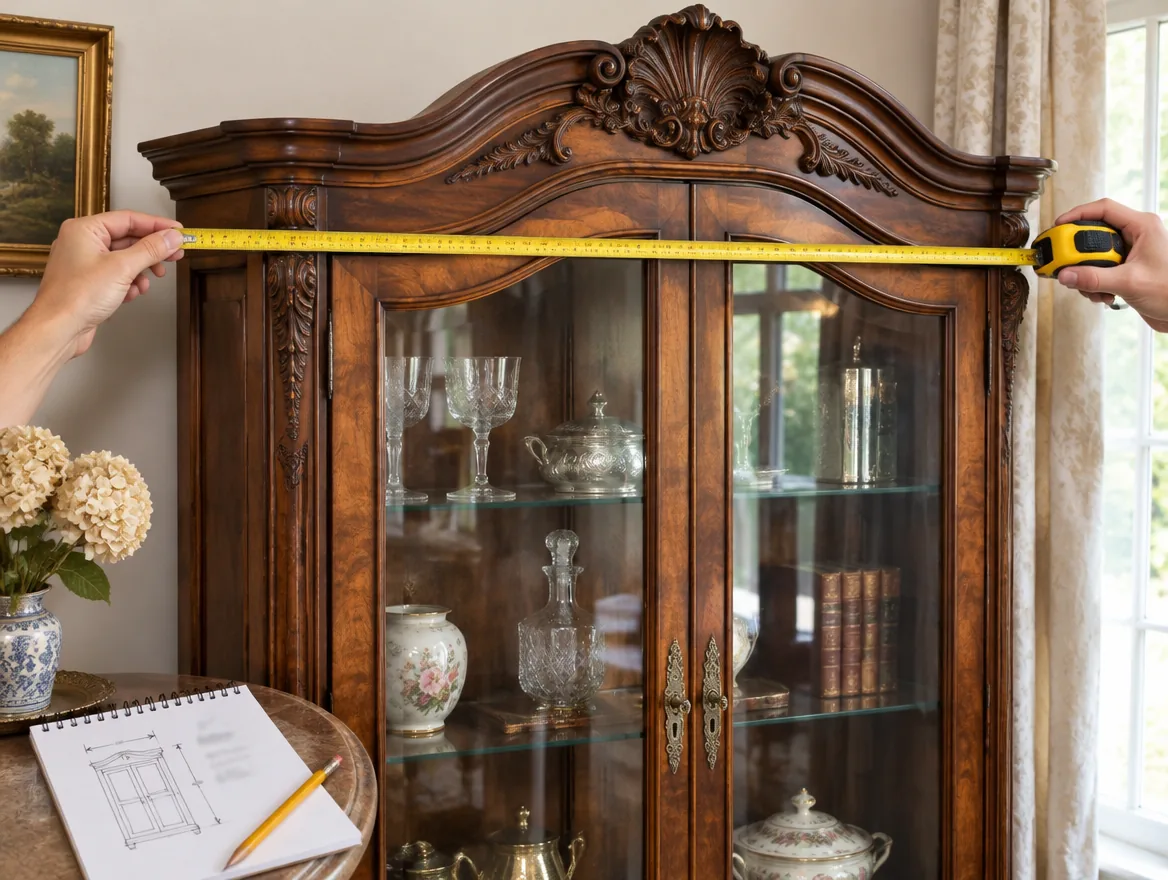
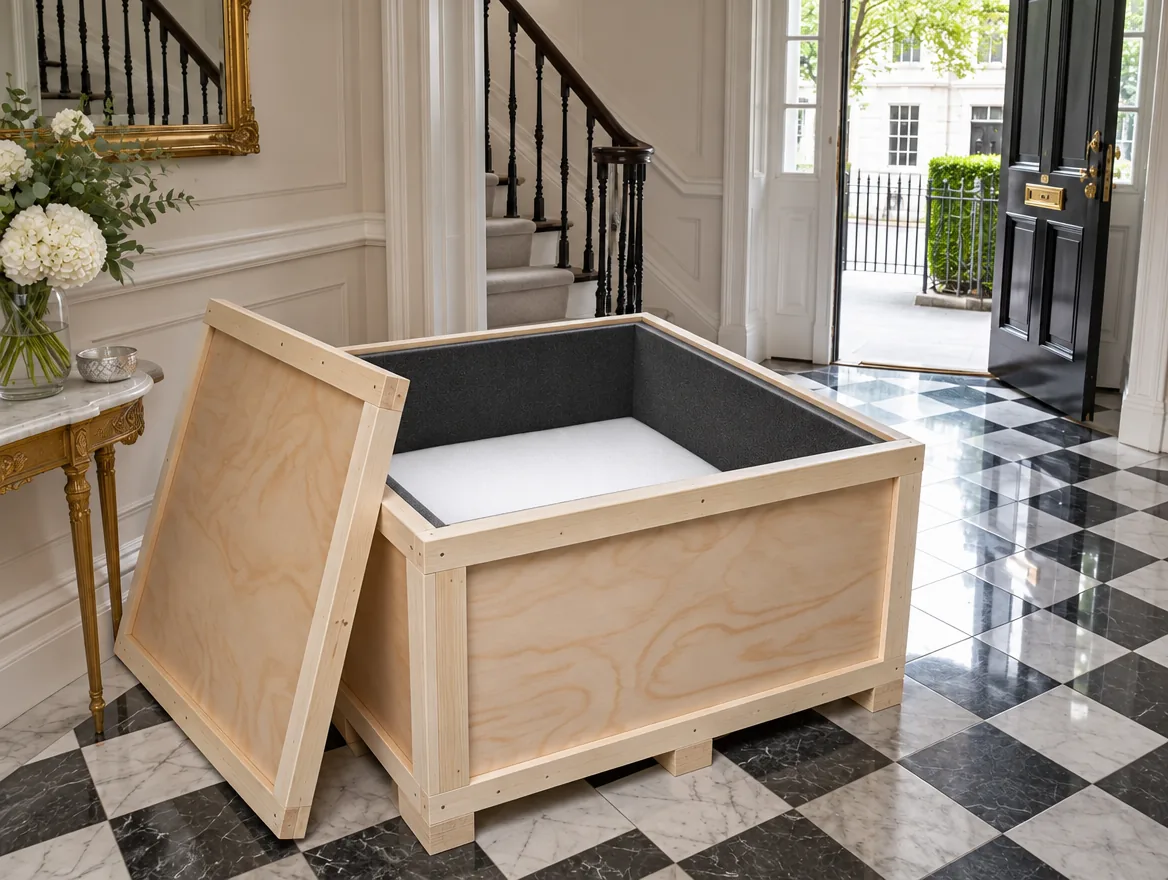
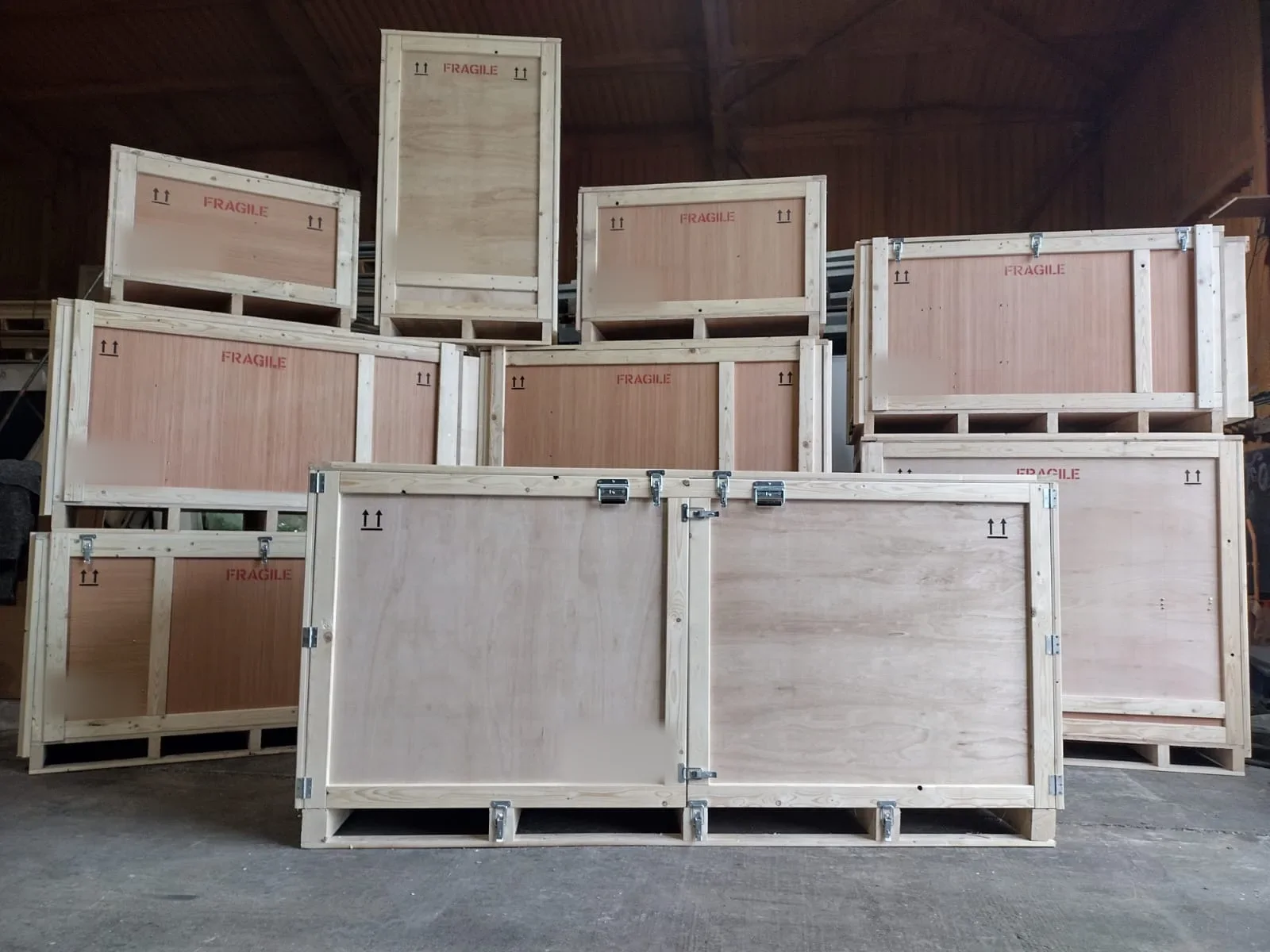
Send us a photo and the measurements.
We’ll recommend the crate, the lining and the supports, and come back with a bespoke quote.
How we pack what dealers send
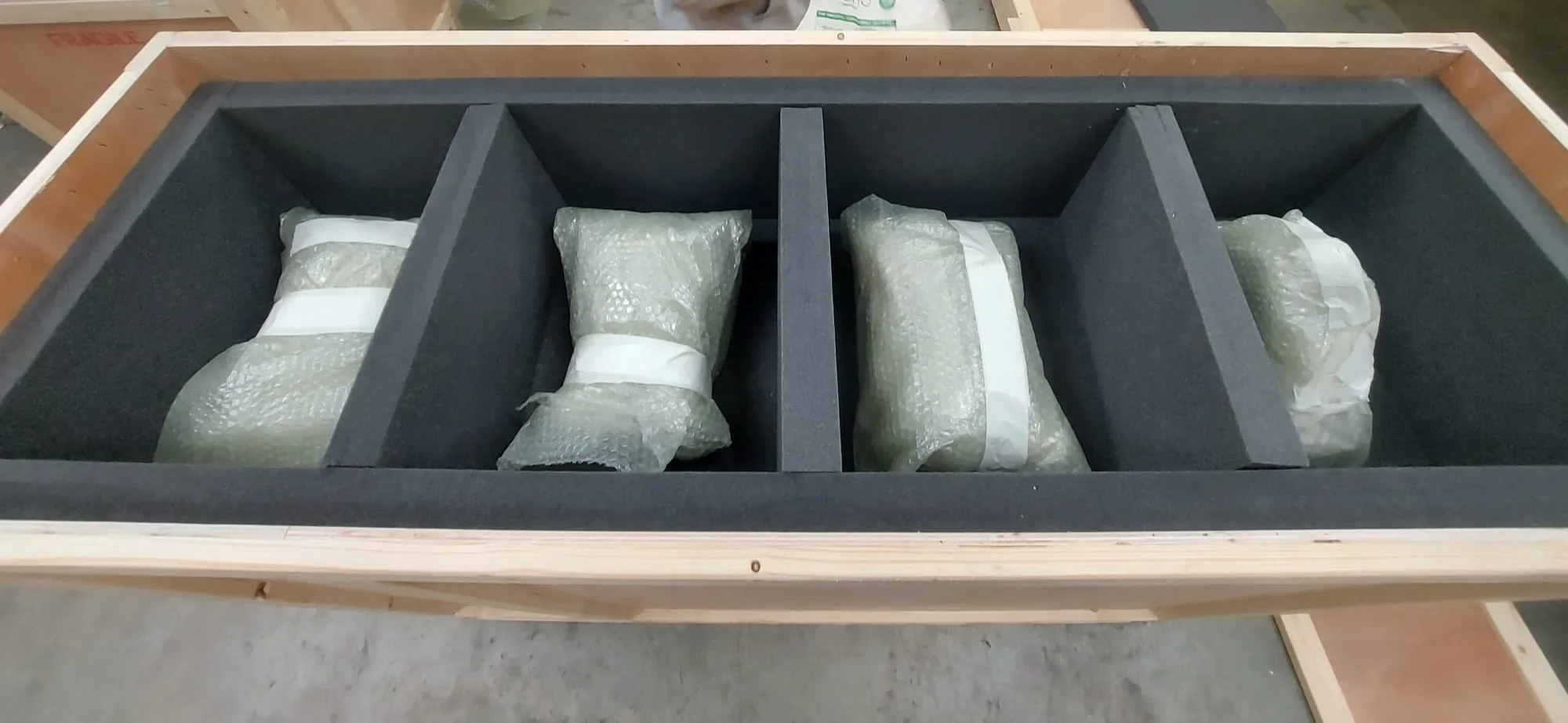
Each kind of piece fails in its own way, so each is packed its own way.
| The piece | How we pack it |
|---|---|
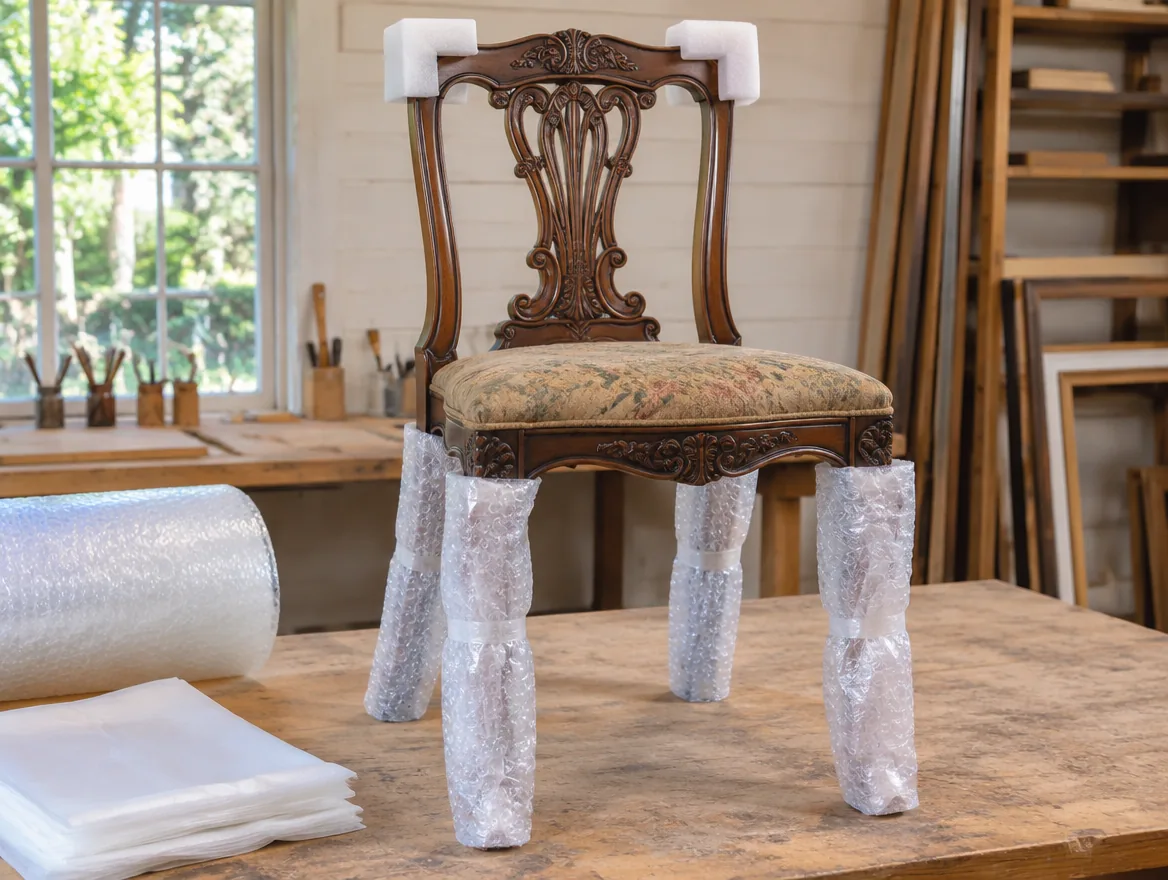
| Furniture | Legs and carving wrapped in tissue then bubble wrap; soft HLB22 lining; padded battens and foam corner blocks. |
| Clocks | Each part wrapped on its own and set in its own foam compartment. |
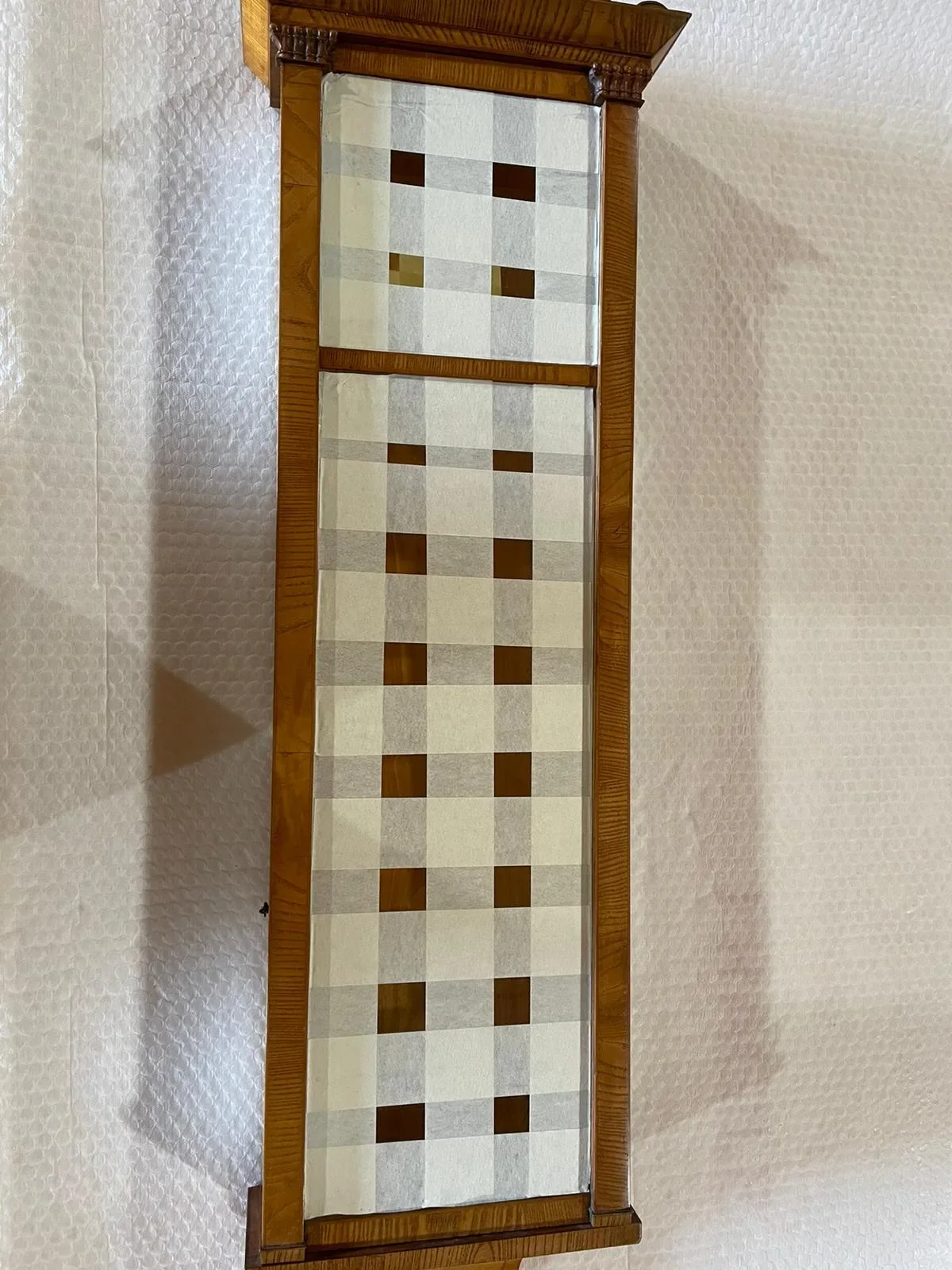
| Mirrors | Glass taped in a lattice; padded battens; weight along the bottom edge. |
| Porcelain | Each piece in its own cut cavity in high density foam. |
| Chandeliers | Drops off, wrapped and laid in labelled trays; the frame held still. |
| Marble | High density foam blocks, a heavy duty crate and skids underneath. |
Shipping to clients abroad: the US, Europe and Dubai
We ship a lot to the United States and Europe, and we can give you options for anywhere in the world. We can arrange the onward shipping, or hand the crates to your own shipper. Either way, customs paperwork is arranged by you, your shipper or a customs agent.
- United States. Antiques over 100 years old and original hand-done paintings are generally duty free under chapter 97 of the US tariff, but recent tariff changes mean you should check the current position with a customs broker. See shipping to the USA.
- Europe. Your client pays import VAT on arrival, at the rate their country sets for art and antiques. See shipping to Europe.
- Dubai and the Gulf. See shipping to Dubai.
- Older, valuable pieces may need a UK export licence from Arts Council England, and pieces with ivory, tortoiseshell or some rosewoods may need CITES permits. Check before you promise a delivery date.
This is general guidance, not legal or tax advice. Rules change, so check the current position for each piece before it ships.
One point of contact
Projects go wrong in the gaps between companies: the dealer thought the shipper was collecting, the shipper thought the packer had the address. With us, the person you speak to is the person who collects, packs and crates. If you use your own shipper, they collect the finished crates from our warehouse, and we give them the address when they book.
It works the same for a dealer's everyday sales. Say a buyer in Connecticut pays for a pair of side tables on Monday; you send us the invoice, the address and your shipper's details, and we take it from there. A lot bought for stock at a saleroom can be collected the same way: see crating for auction buyers. Moving stock to a fair? Our page for galleries and art fairs explains crates built for the trip there and back.
Discretion for private clients
Many of the pieces we crate are going to private homes. We don't name the people we work for, and your client's address is used only to deliver their crate.
The outside of a crate doesn't need to say what is inside or what it is worth. Ask us to mark your crates with a reference number only.
Working on a project now? Request a quote with your list of pieces, or read about antique shipping.
Common questions
Do you offer trade rates for regular work? +
Every job is quoted on its own, for the pieces in it. If you send work regularly, tell us when you get in touch and we'll talk about how best to work together.
Can you collect from several dealers for one project? +
Yes. We collect from each source, in and out of London, gather everything at our warehouse and crate it together or as a numbered set.
Can you deliver empty crates to my showroom? +
Yes. Send us the dimensions, the rough weight and what each piece is. We confirm the measurements with you, build the crates and deliver them to the address you give us.
What if a piece doesn't fit the crate I measured for? +
The crate is built to the dimensions you gave and confirmed, so measure carefully at the widest, deepest and tallest points. If you're unsure, ask us to collect and crate it instead.
Can you ship to my client's home abroad? +
We can arrange the onward shipping, or hand the crates to your own shipper. Customs paperwork is arranged by you, your shipper or a customs agent.
Do you crate large or heavy pieces like fireplaces? +
Yes. We crate any object, item and weight. Stone and marble get high density foam blocks, a heavy duty crate and skids underneath.
Will my client's name be on the crate? +
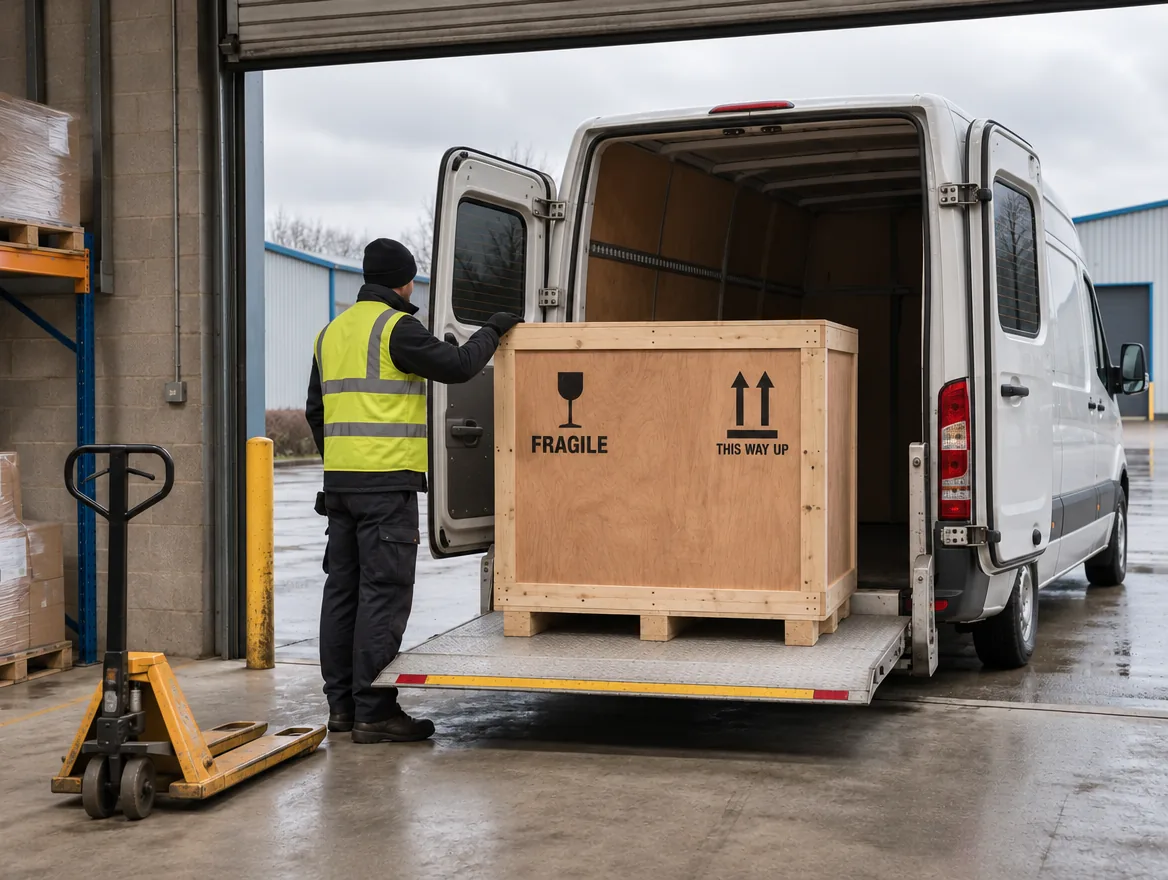
Only if you want it there. Crates can carry a reference number, Fragile and This way up, and nothing about what is inside.
Who insures the piece while it travels? +
Transit insurance is bought by you, job by job, so the cover matches the piece and its value. We have public and product liability insurance. See insurance.
How much will it cost? +
Every quote is bespoke, based on the piece itself: its size, weight, how fragile it is, where it is going and how quickly. Send us the details and we'll price your job, never from a standard rate card.
Related
Clocks, mirrors, glass and collections.
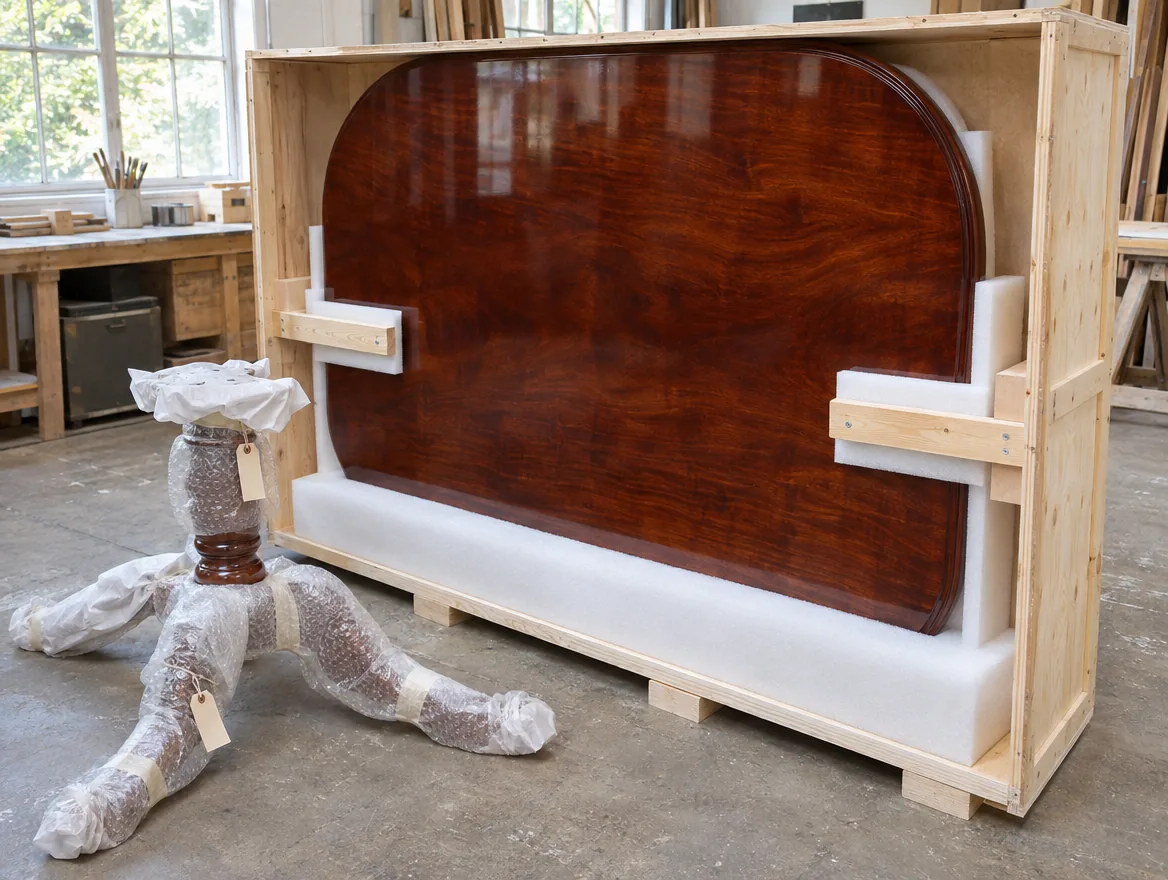
Antique and modern furniture, crated in London for the Atlantic.
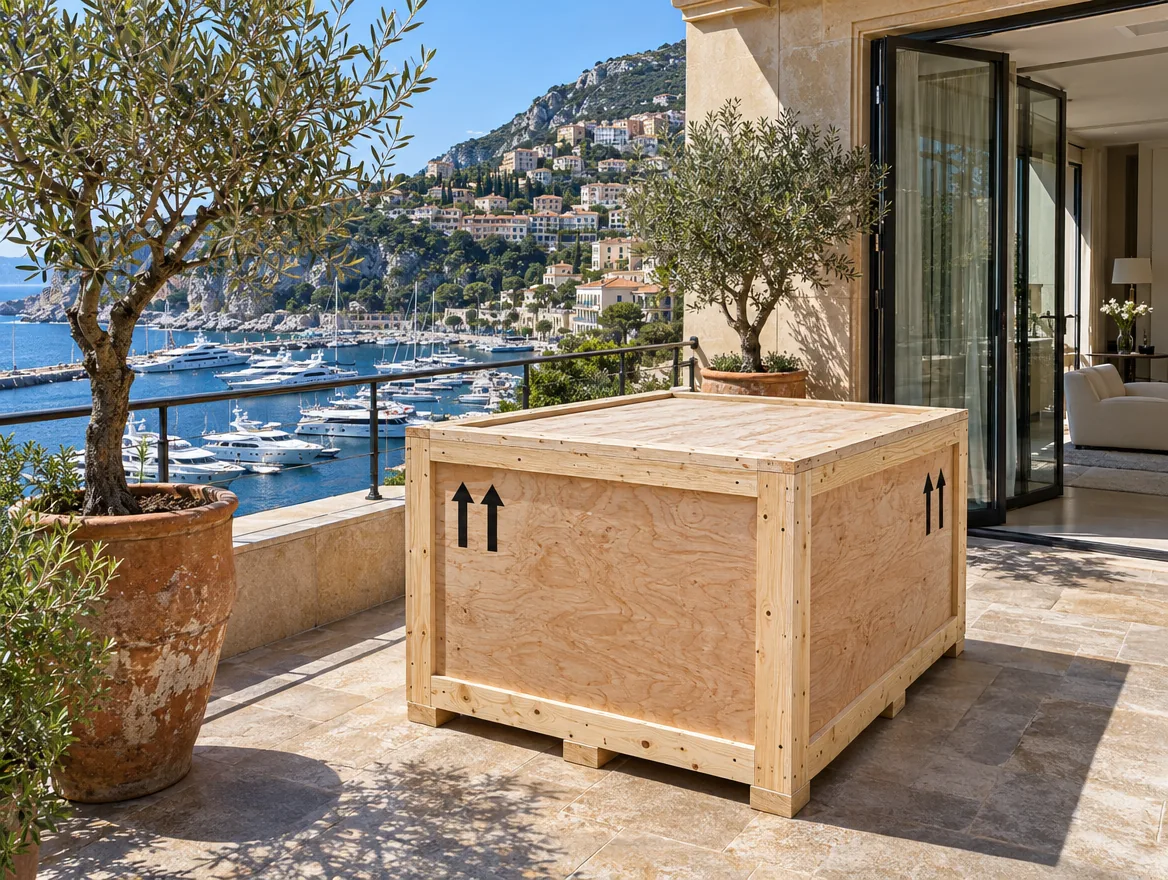
Art, antiques and furniture for Monaco and the Riviera.
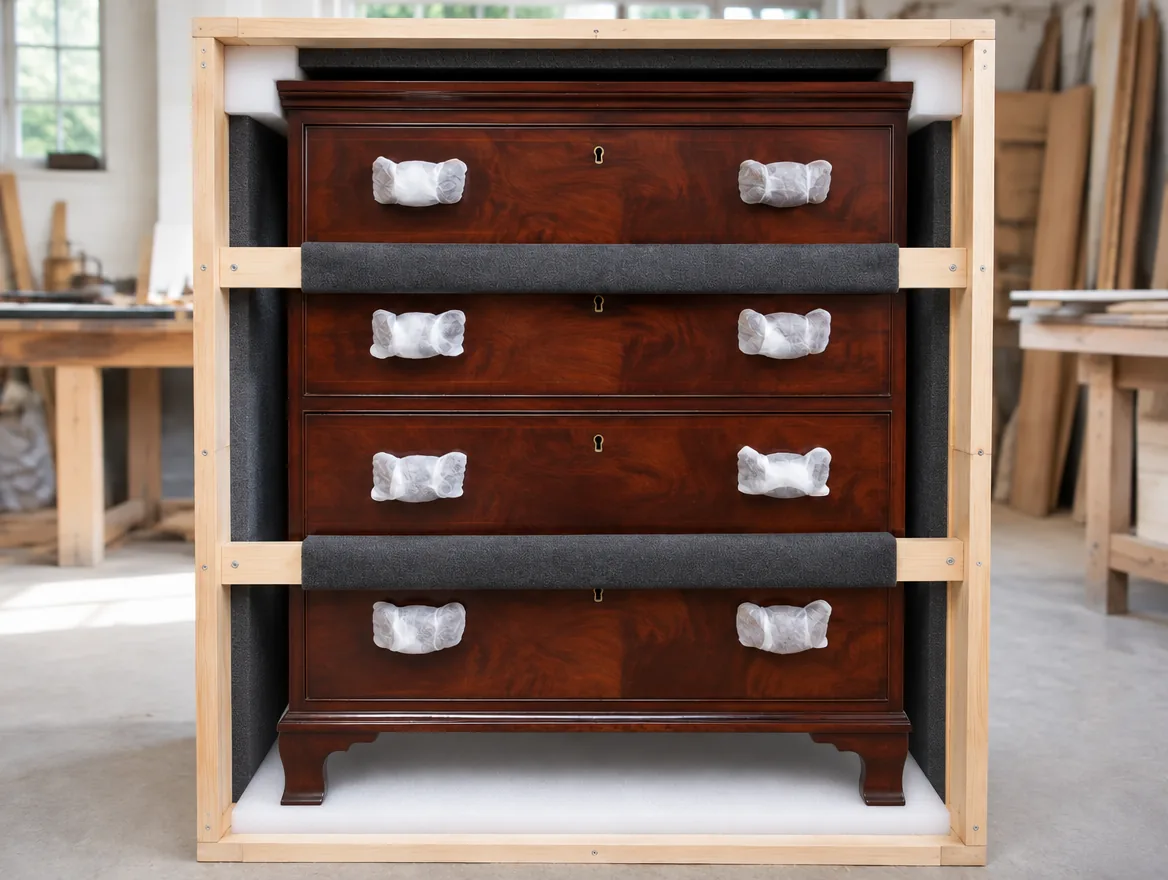
Crated in London for heat, humidity and a long journey.
Swipe for more →
Tell us what needs to travel.
Every quote is bespoke, based on the piece itself. Send us the details and we'll come back to you.