

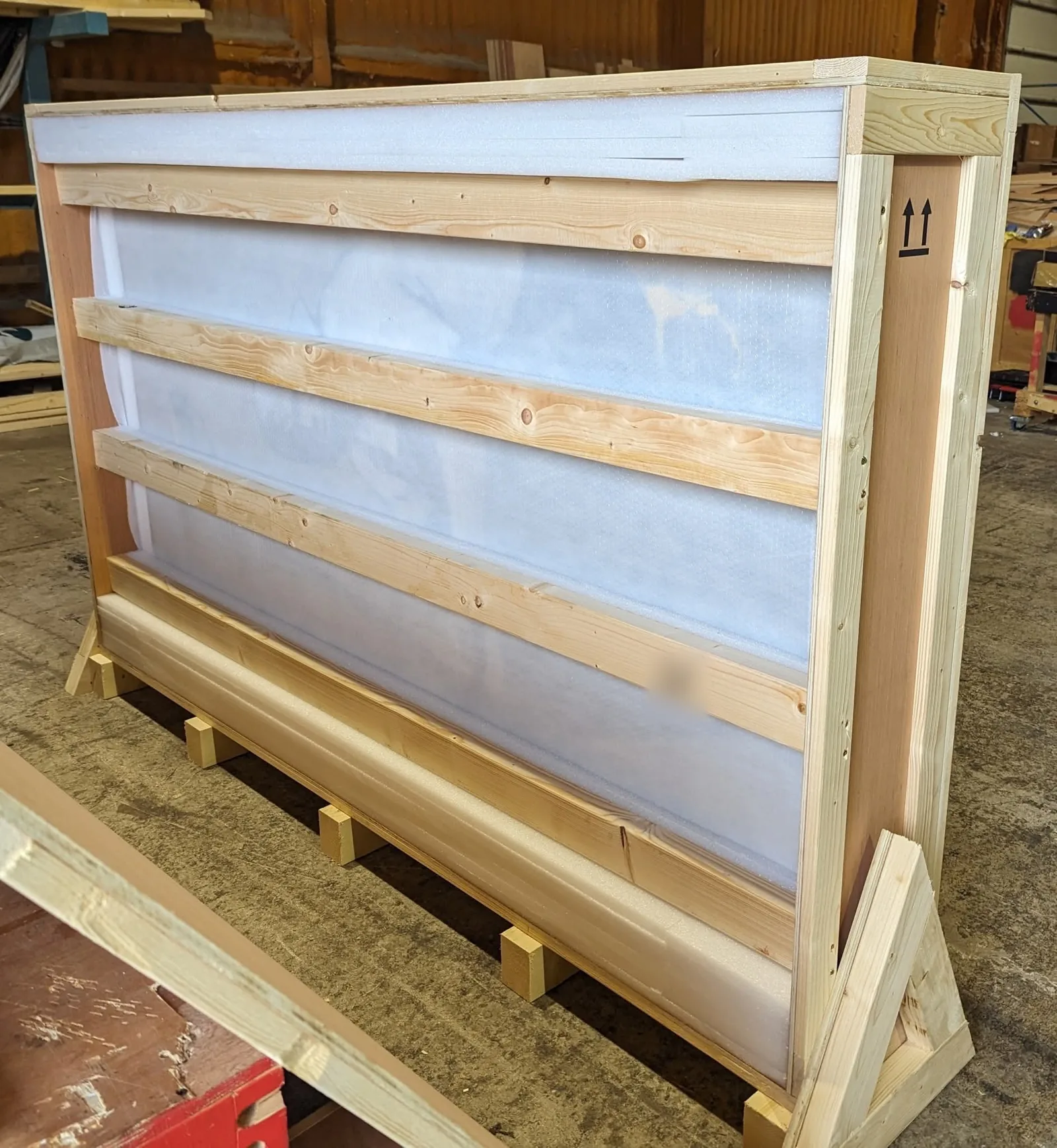
Heavy duty crates for sculpture and large artwork
Sculpture, stone, concrete and bronze need a crate engineered around their weight. We build heavy duty wooden crates that carry the load, hold the piece still on high density foam blocks and protect its surface, so nothing shifts during handling.
500 kg of street art, crated for the US
A gallery needed to send a piece by a world-renowned graffiti artist to the United States. It was painted on a section of concrete weighing over 500 kg: very heavy, an unusual shape, and with a painted surface that had to be protected. We engineered a crate around its weight, size and structure. Read the full job.
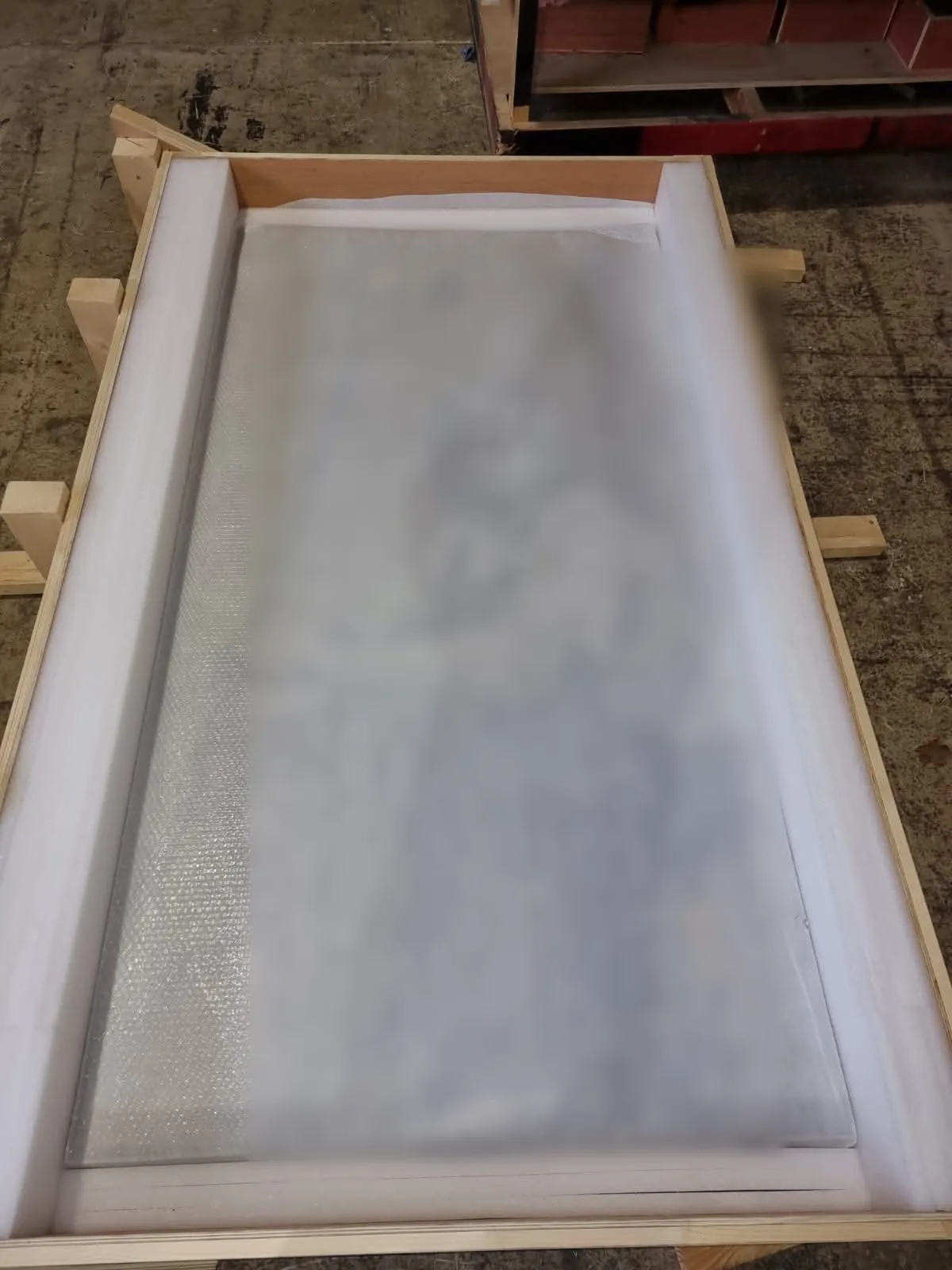
How do you pack a statue or bust for shipping?
Heavy pieces are packed so the crate takes the weight, not the sculpture. Here is the usual order of work.
- 01Look for the weak points
Thin limbs, noses, fingers, raised edges, old repairs and the joint between sculpture and base. These decide where it must never be supported or strapped.
- 02Wrap the surface
Tissue paper goes on first, to protect the surface and any patina or paint. Tape never goes on the surface itself.
- 03Build the base first
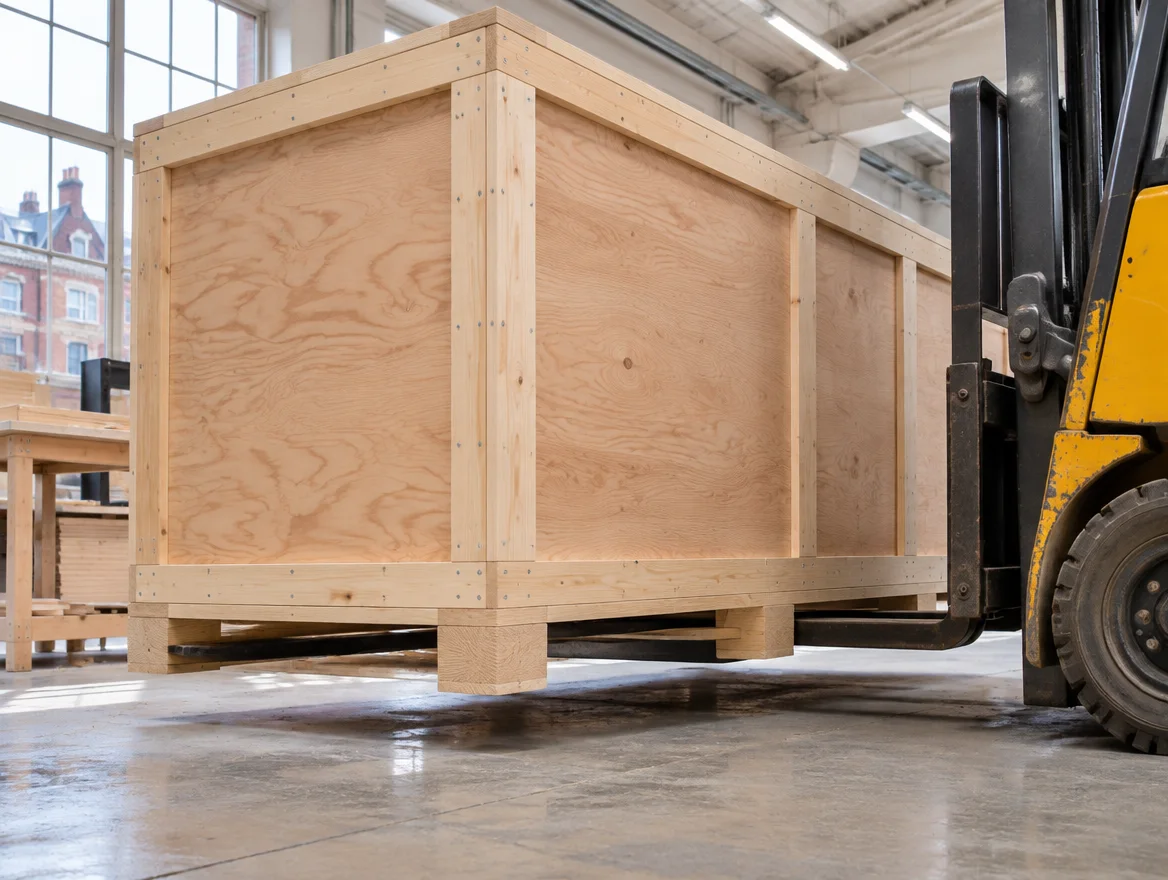
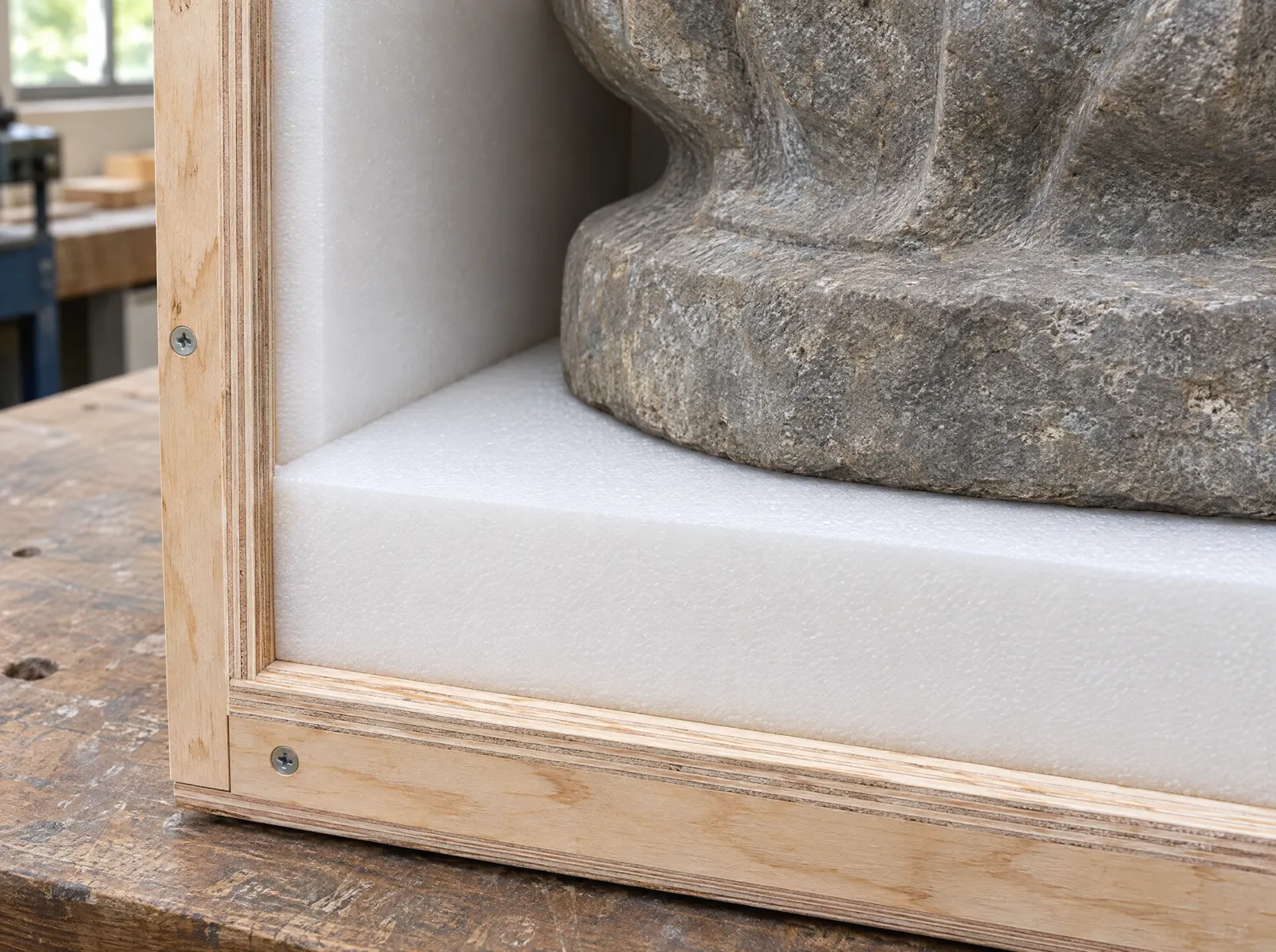
A strong timber base sized to the weight, with skids underneath so it can be lifted and moved safely.
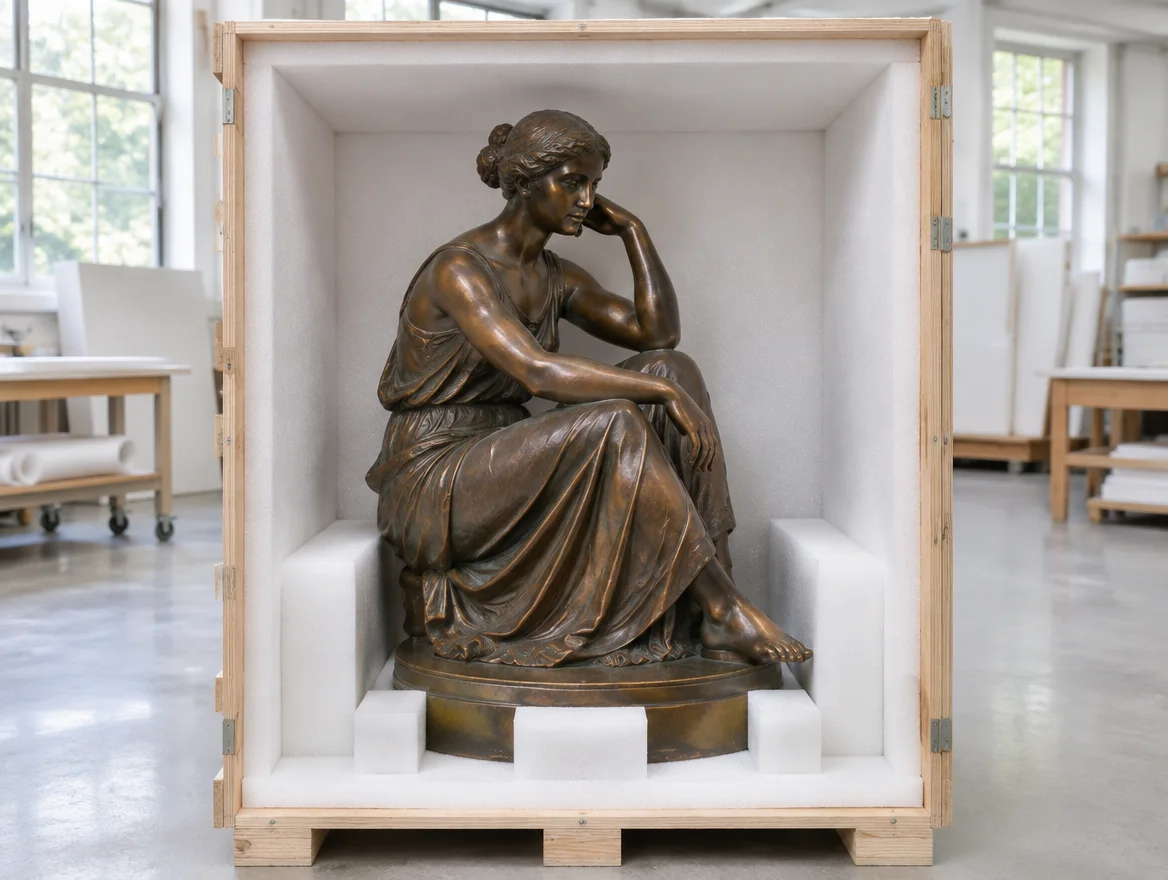
- 04Hold it with high density foam blocks
Firm white foam blocks, cut to fit, hold the piece at its strongest points. For most busts and statues, simple blocks do the job better than a fully shaped foam bed.
- 05Brace and close
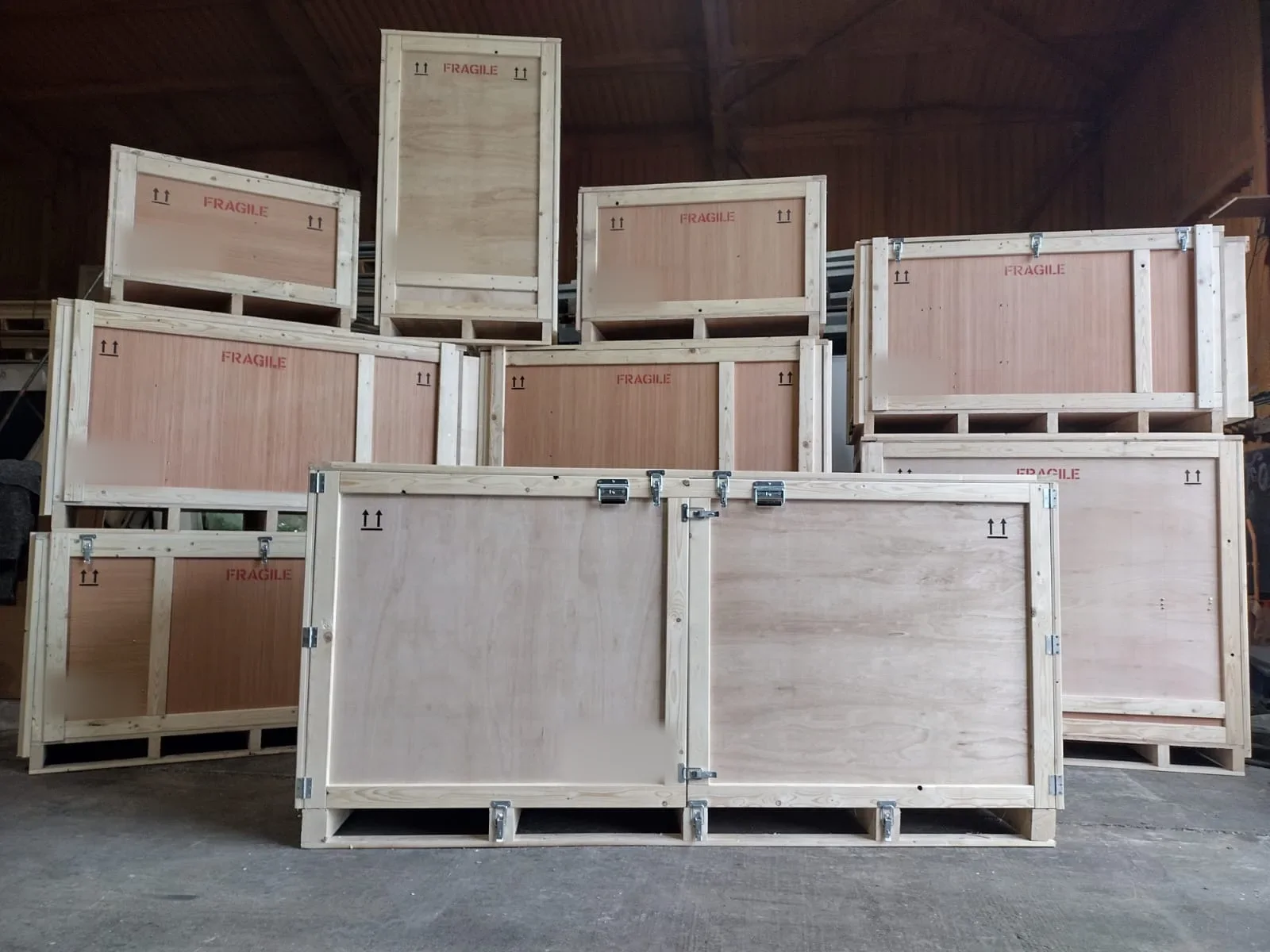
A timber frame and bracing sized to the load, plywood panels, more foam to stop any movement, then the lid. Marked Fragile and This way up.
Why the base matters most
In a heavy duty crate the base does most of the work. Everything else (the walls, the lid, the foam) is there to stop movement and take knocks. The base is what carries the weight every time the crate is lifted, set down or loaded.
That is why we build the base first and size it to the piece. A base that flexes lets the load shift, and a shifting load is what breaks sculpture. A rigid base with skids also keeps the crate off wet ground and gives a pallet truck or forklift somewhere safe to lift from.
Weight marked on the outside matters too. Handlers lift differently when they know what's inside.
Why high density foam blocks, not battens?
Battens work well for flat things, like mirrors and paintings, because they press evenly along a frame. A bust or statue has no flat edge. A batten across it would press on one small point, often the most fragile one.
High density foam is dense and firm. It holds its shape under weight, so a heavy piece stays put instead of sinking in and moving. Cut into blocks and placed at the strong points (the base, the shoulders, the solid mass of the body), it holds the piece from several sides at once. Softer foam has its place for delicate surfaces, but on its own it would let a heavy piece settle and shift.
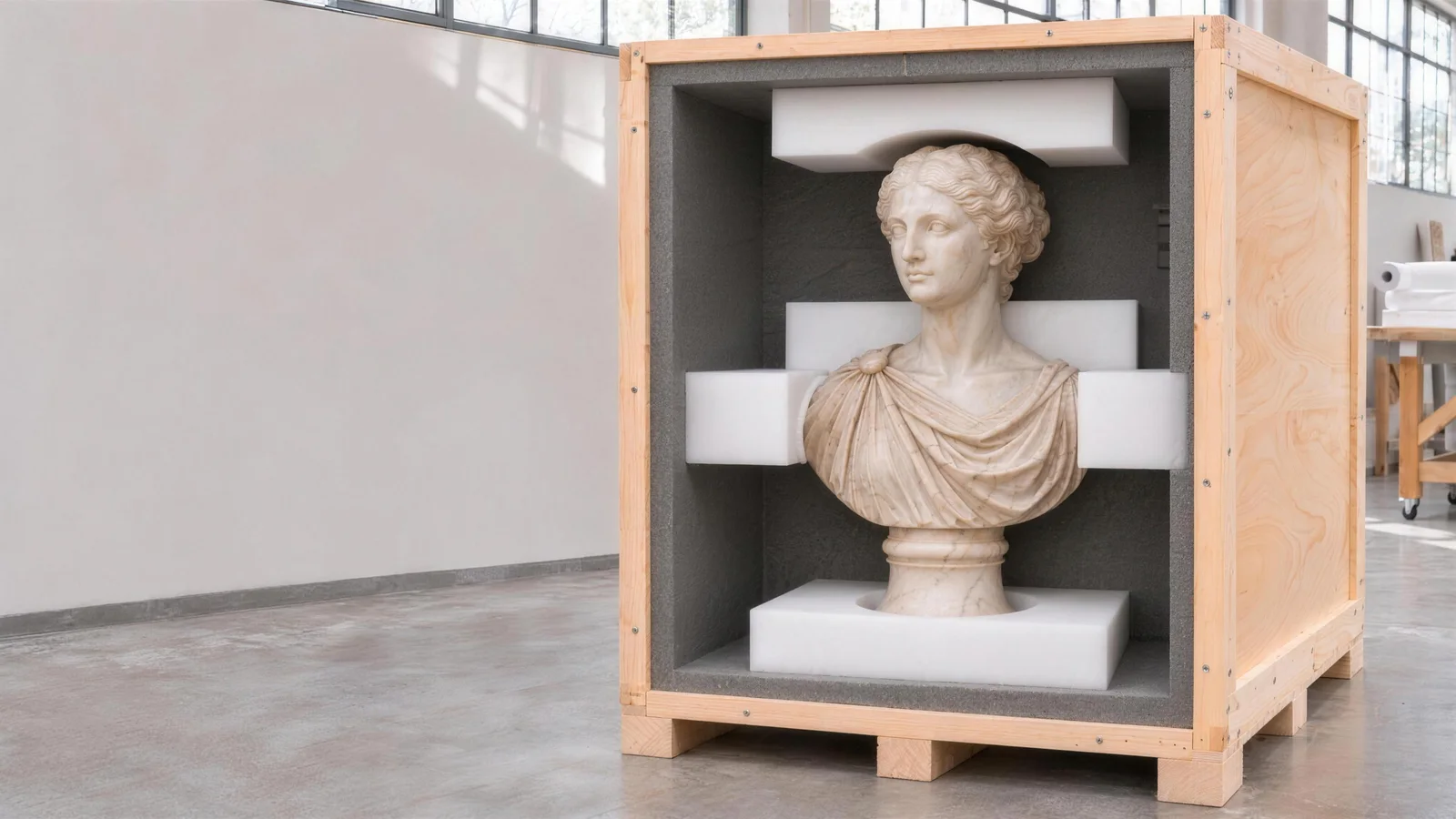
Marble, bronze, stone and plaster: the common risks
A sculpture fixed to a plinth or base is one of the most common causes of damage. If the two are joined by a pin or just resting together, they can work loose on the road. Tell us how they're joined. Sometimes it's safer to pack them apart.
| Material | Main risk | How we deal with it |
|---|---|---|
| Marble | Heavy but brittle. Cracks along veins; thin parts snap; bases can be loose or pinned | Support under the mass, not the projections. A loose base may travel separately |
| Bronze | Strong, but the patina scratches and marks easily | Tissue paper first, no tape on the surface, blocks against solid areas |
| Stone and concrete | Weight. Edges chip; the crate must carry the load | Heavy duty base with skids, bracing sized to the weight |
| Plaster and terracotta | Light but very fragile; damp can harm them | Tissue paper first, more foam around, extra care with humidity |
Send us a photo and the measurements.
We’ll recommend the crate, the lining and the supports, and come back with a bespoke quote.
What goes into a heavy duty crate
Wooden crates going abroad usually need to meet ISPM 15. Plywood is normally exempt, but solid timber frames and skids usually must be heat treated and stamped. Ours are heat treated and carry our own registered ISPM 15 stamp. Our ISPM 15 guide explains it.
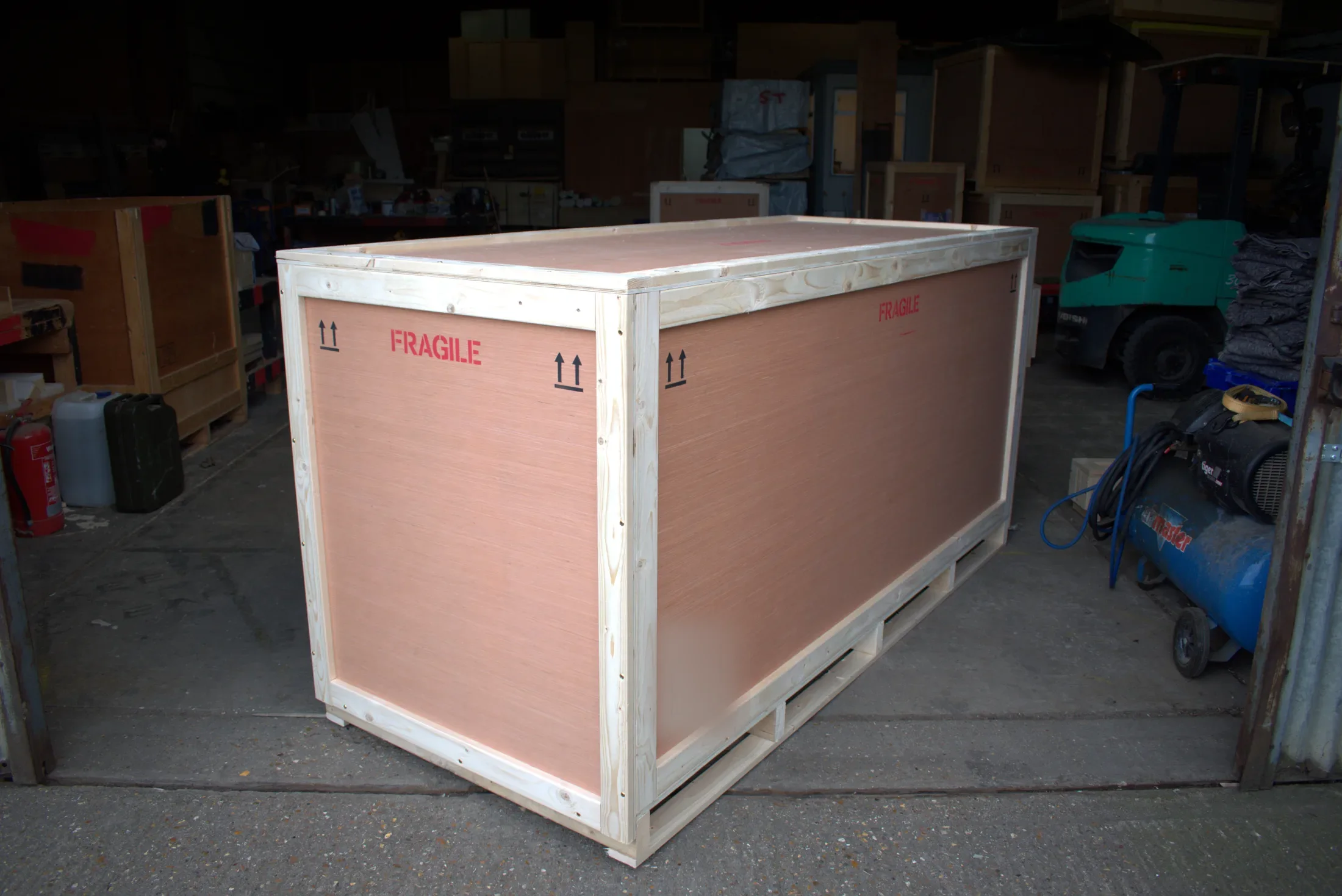
Carries the full load, with skids so it can be lifted and moved. Ask us about forklift access for very heavy pieces.
Stronger timber and bracing, sized to the weight of the piece.
High density foam blocks at the strong points, more foam where it could move.
Fragile, This way up, and the weight, so handlers know what they're lifting.
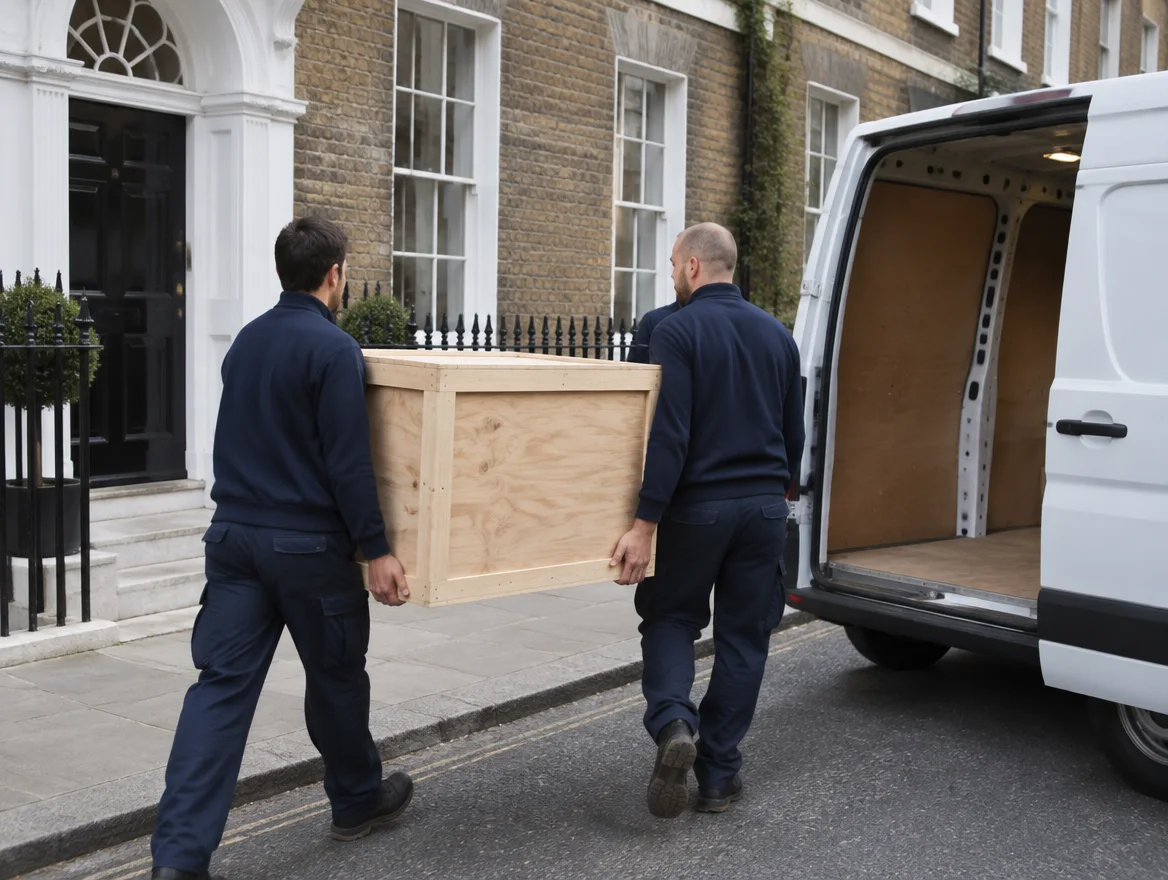
Getting it in and out of the building
With heavy pieces, the hardest part of the journey is often the first and last few metres. A crate that fits the sculpture perfectly is no use if it can't get through the door.
- Doors, stairs and lifts. We plan the crate's size around the route out of the building as well as the piece. Send photos or measurements of tight spots.
- Floors. A heavy crate concentrates a lot of weight on a small area. Old floors, lifts and stairs may have limits, so tell us about them.
- Equipment. Very heavy crates may need a pallet truck, forklift or lifting gear at one or both ends. Ask us what your piece will need.
- Outdoor and garden pieces. Stone and bronze that live outside may be fixed down, and may have soil, moss or water inside them. Let us know before collection.
Unpacking a heavy piece
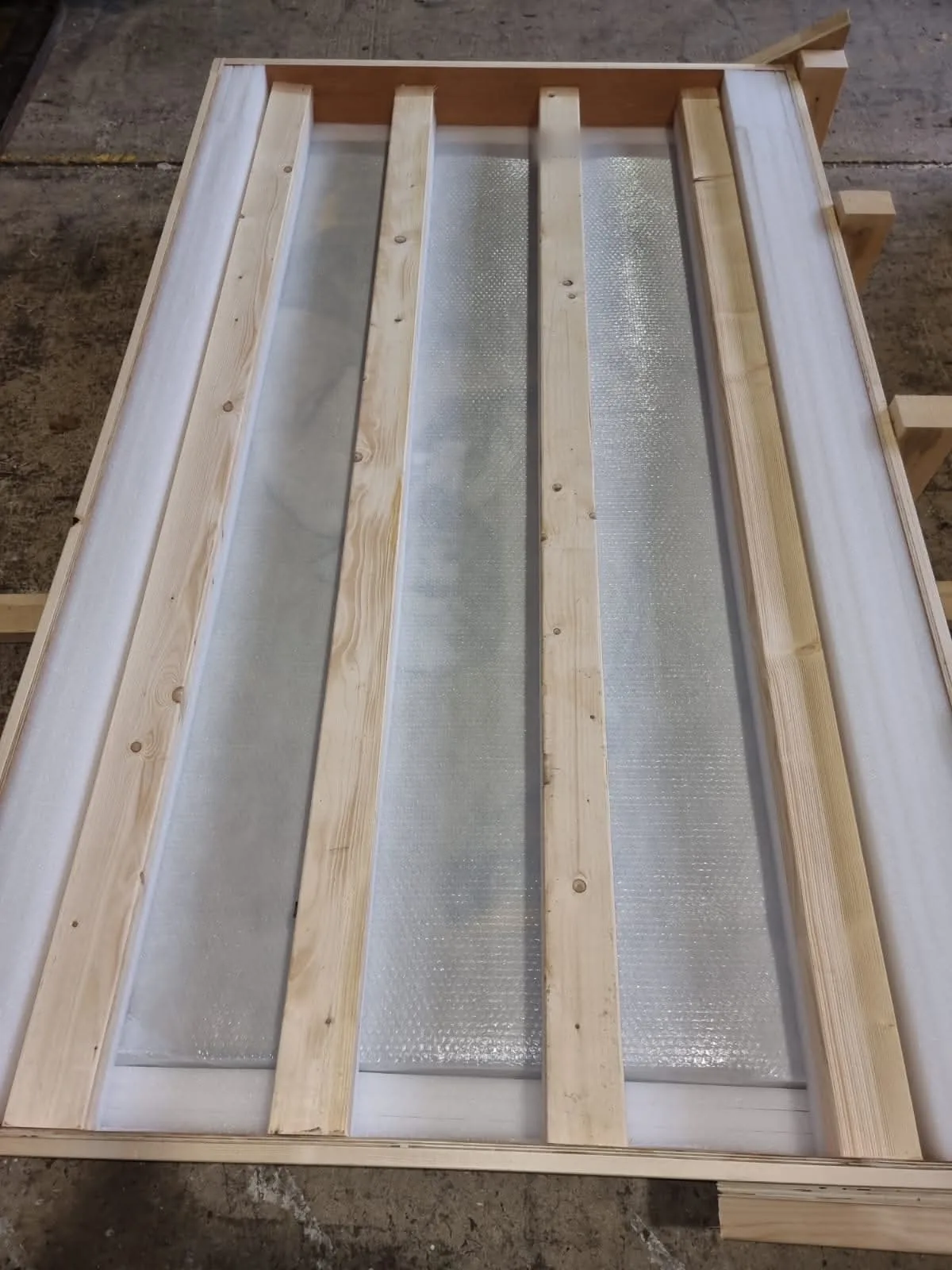
Open the crate where the sculpture is going to stand, or as near as possible. Take off the lid and side panels first rather than lifting the piece out of a deep box. Remove the foam blocks one at a time, keeping the piece supported, and never lift it by a projecting arm, head or edge. Check it against the photos taken before it left.
Awkward shapes and installations
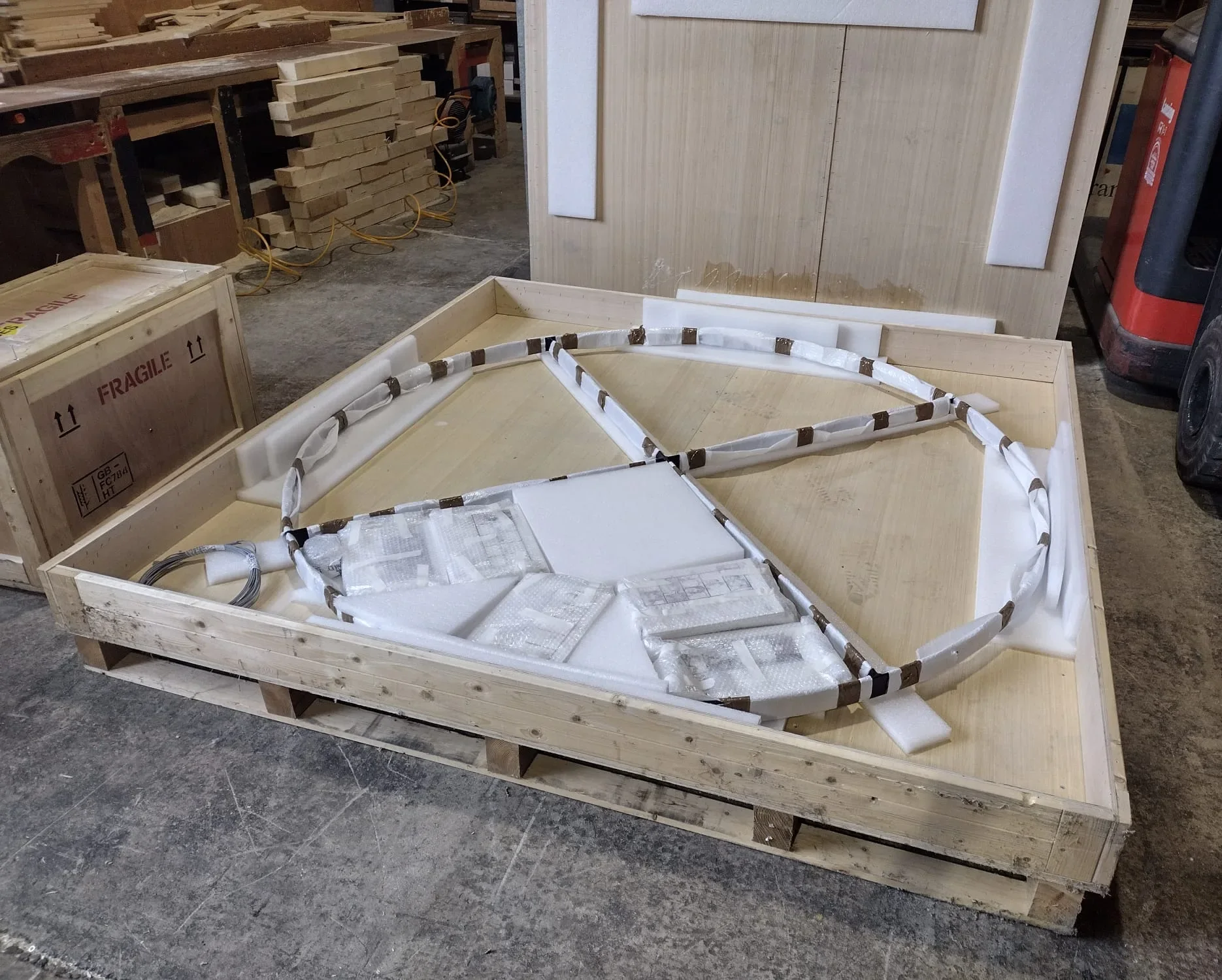
Installations and odd shapes get cut foam cradles, so each part sits in its own place and nothing knocks against anything else.
What to tell us, and what to do before collection
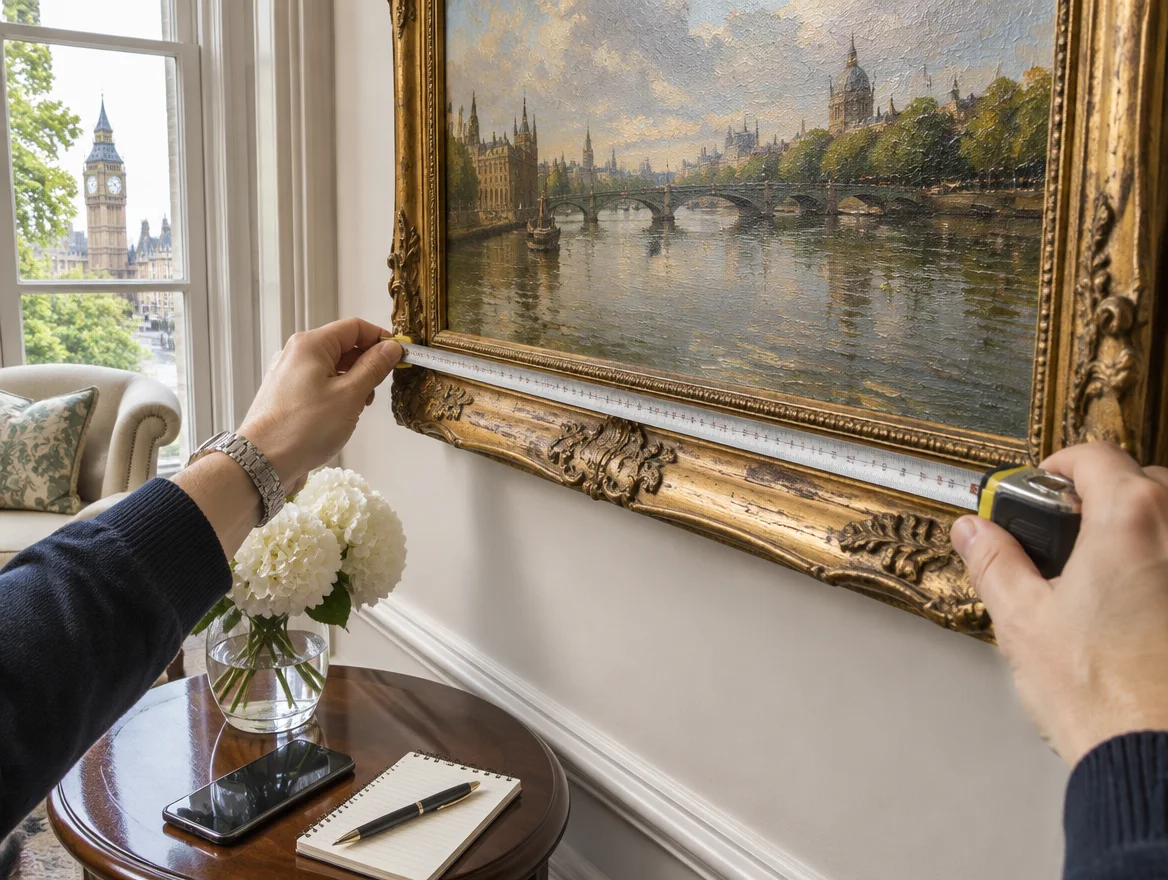
- Height, width and depth, including any base or plinth
- The weight, or your best guess (and how you know)
- What it's made of: marble, bronze, stone, concrete, plaster
- Is the base fixed, pinned or loose?
- Photos from all sides, plus any repairs or weak points
- Access at both ends: stairs, lifts, narrow doors, parking
Before we collect, clear a path to the piece and let us know about steps or tight corners. Don't try to move a heavy piece yourself. Arrange transit insurance for its value; it's available for every export and bought by you, job by job. Then request a quote.
Common questions
How heavy a piece can you crate? +
We've crated a concrete artwork of over 500 kg. Tell us the weight and size of yours and we'll design the crate around it.
How do you pack a bust for shipping? +
Wrapped softly first, then held still with high density foam blocks cut to fit its strongest points, inside a crate built to measure. Battens are for flat things like mirrors; they don't suit a bust.
Should a sculpture travel on its plinth? +
It depends how they're joined. If the base is loose or only pinned, it is often safer to pack them separately. Tell us how they fit together when you ask for a quote.
How do you ship marble without it cracking? +
By supporting it under its mass, never by thin or projecting parts, and holding it so it can't move. Marble is heavy but brittle, so movement and point loads are what crack it.
Can the crate be moved with a forklift? +
Our heavy crates are built on a base with skids for handling. Ask us about forklift access for your piece.
What do you line a sculpture crate with? +
High density foam, a firm white foam that holds its shape under weight, cut into blocks. Thicknesses run from 25 mm, 50 mm and 75 mm upwards.
How much does it cost? +
Every quote is bespoke, based on the item itself: its size, weight, how fragile it is, where it's going and how quickly. Send us the details and we'll come back with a price for your piece.
Is our piece insured in transit? +
Transit insurance is available for every export. It's bought by you, job by job, so the cover matches the piece being shipped. We also have public and product liability insurance.
Related
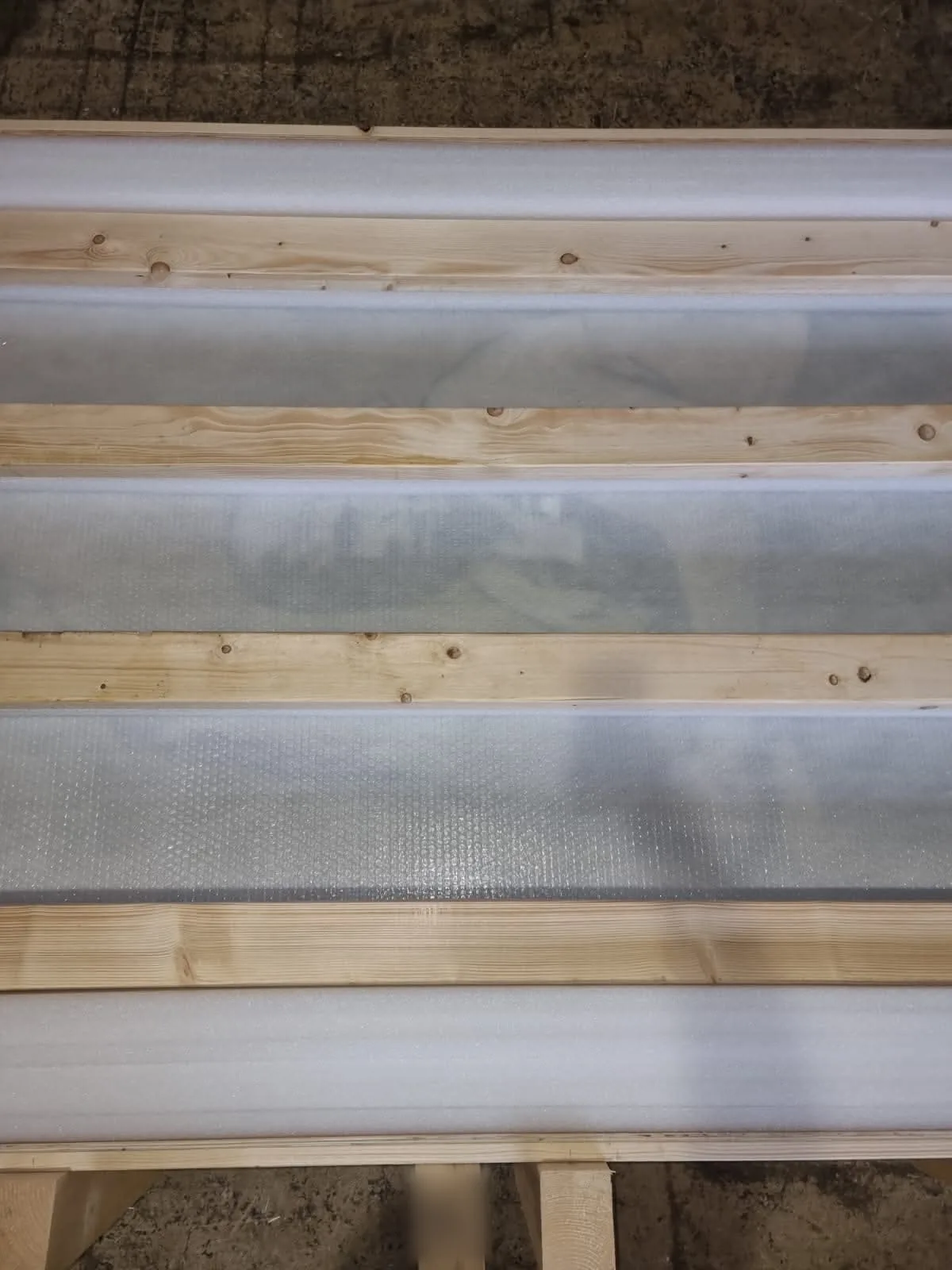
500 kg of concrete street art, crated for the US.
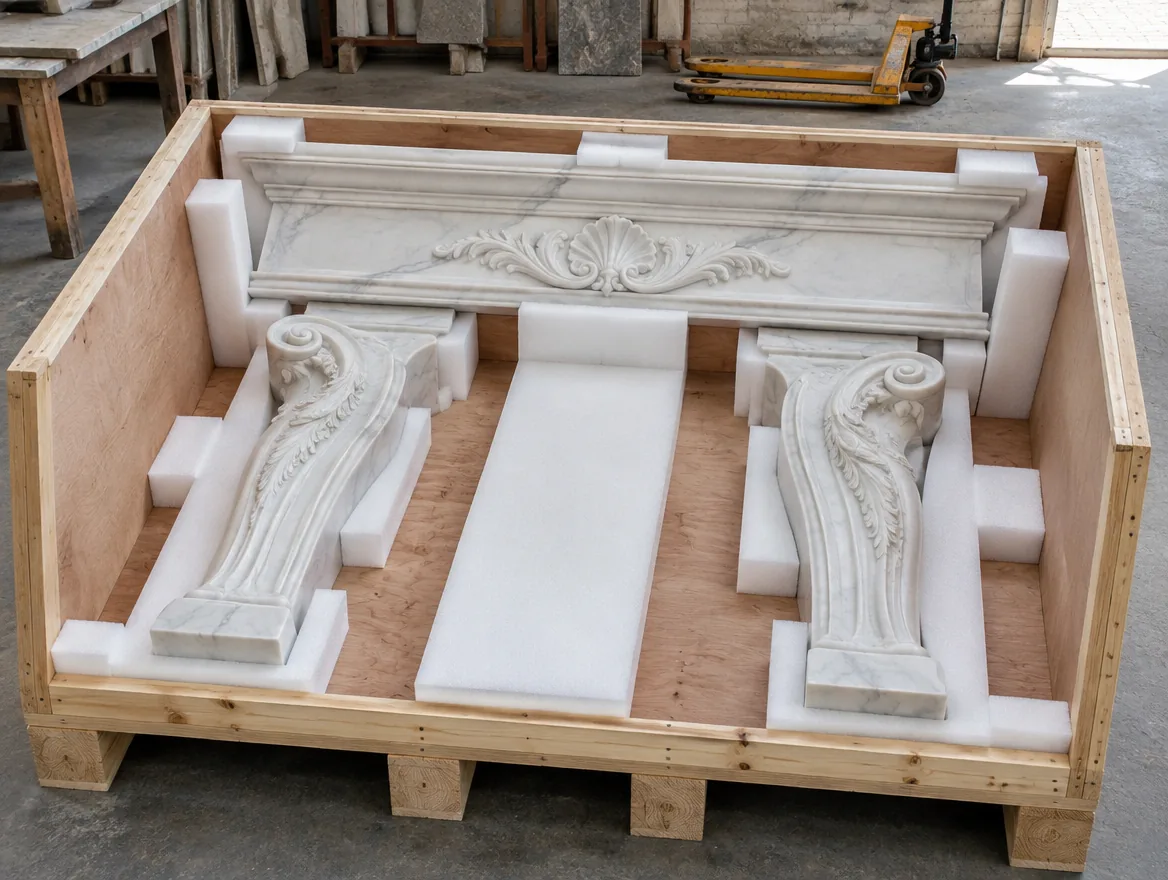
Slabs on edge, heavy crates on skids.
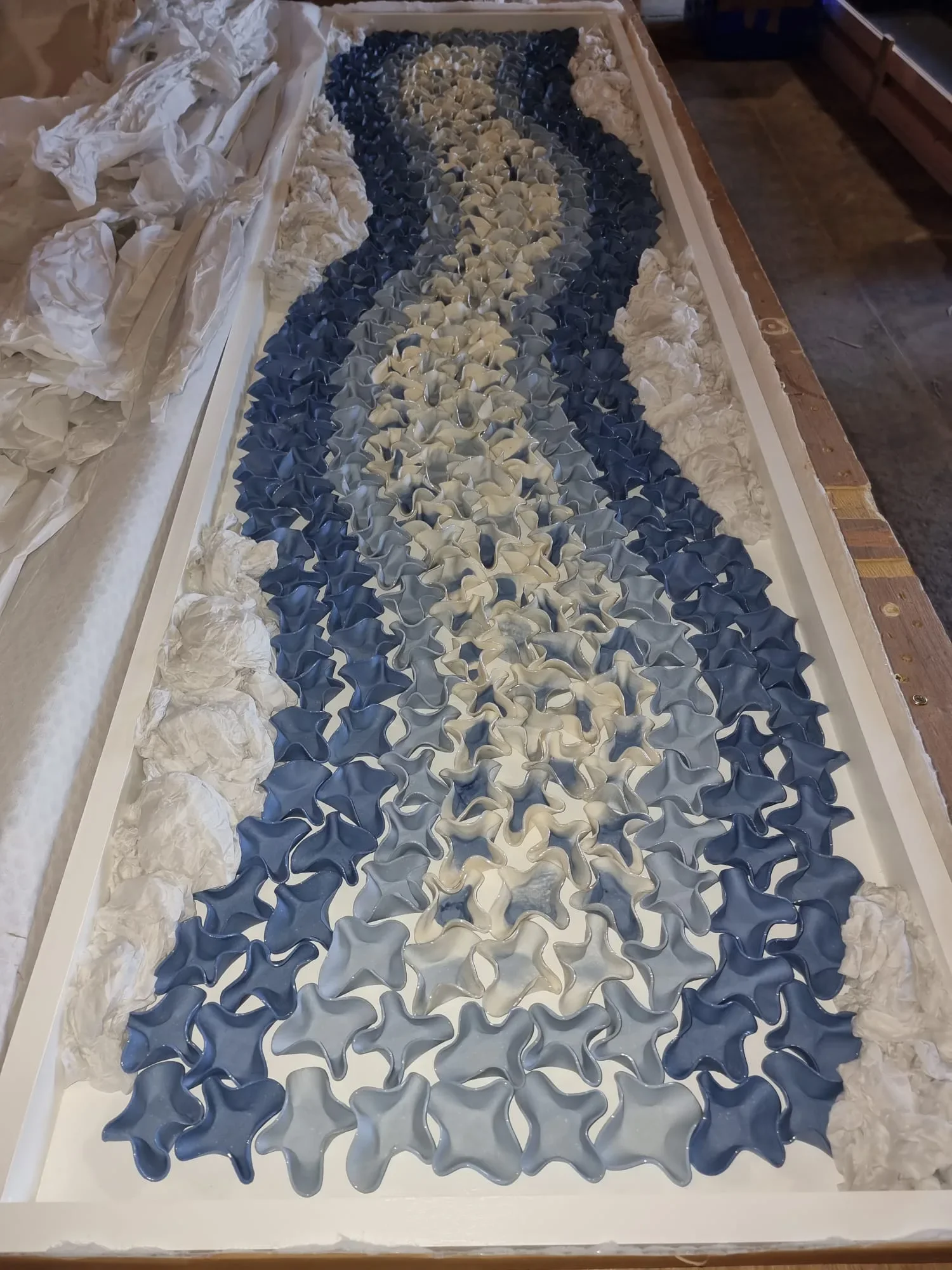
Wrapped by hand, crated to measure.
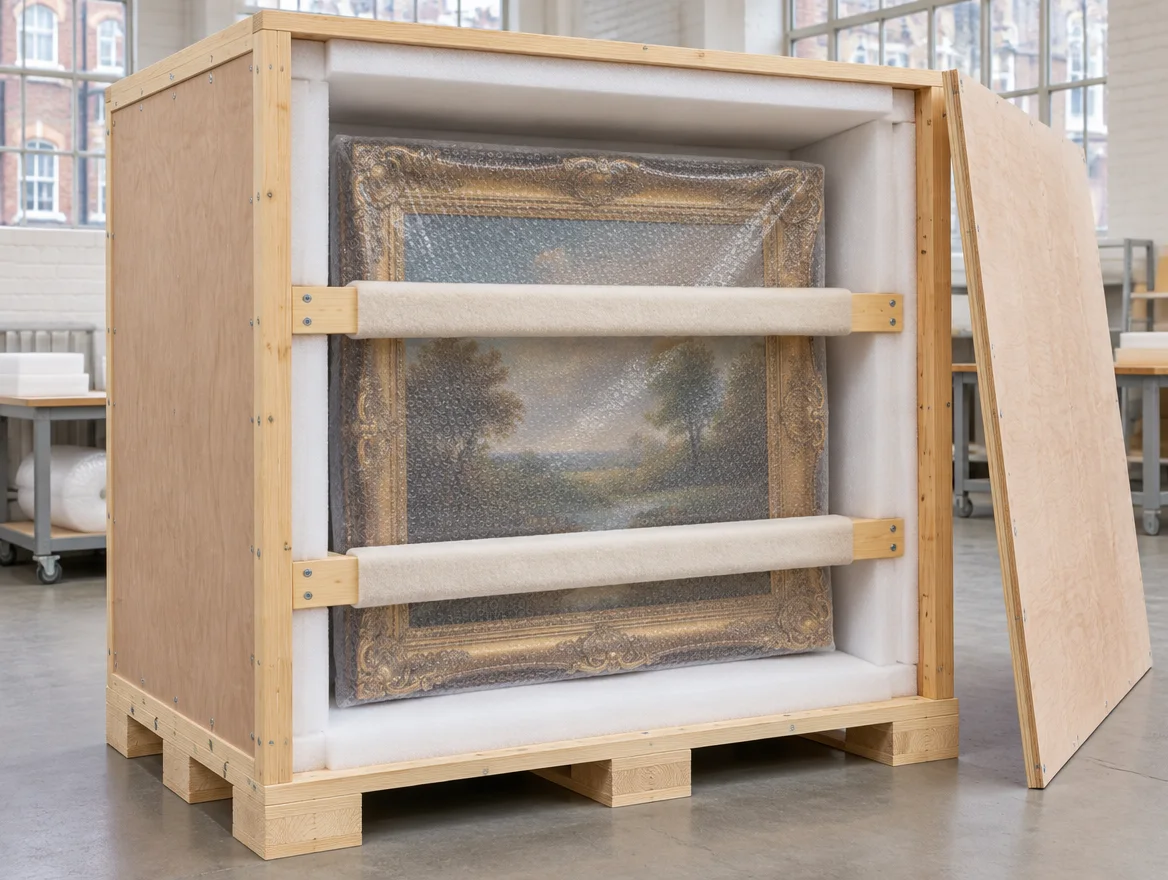
Built to measure around your item.
Swipe for more →
Tell us what needs to travel.
Every quote is bespoke, based on the piece itself. Send us the details and we'll come back to you.