

Fine art transit insurance, explained simply
Public and product liability insurance is in place for our work. Transit insurance is available for every export. It's bought by you, job by job, so the cover matches the piece being shipped. This page explains what each kind of cover does, why carriers' own liability usually isn't enough, and how to prepare your piece so a claim is simple if one is ever needed.
What insurance do you have?
Because transit cover is bought for each job, it can match exactly what's travelling, where and how. Ask us about it when you request your quote.
Insurance is in place for our work.
Insurance is in place too.
Available for every export. Bought by you, job by job, for the value of your piece.
Liability insurance and transit insurance: the difference
They're easy to mix up, but they do different jobs.
- Public liability covers claims if our work causes injury to someone or damage to someone else's property, for example at a collection address.
- Product liability covers claims arising from something we make or supply, such as a crate.
- Transit insurance covers your piece itself against loss or damage on its journey, for the value you insure it for. This is the cover that matters most for art and antiques, and it's bought by you for each export.
If you already insure your collection, ask your insurer whether the policy covers it in transit and abroad. Some home and collection policies do, within limits, and some don't.
Why carriers’ own cover usually isn’t enough
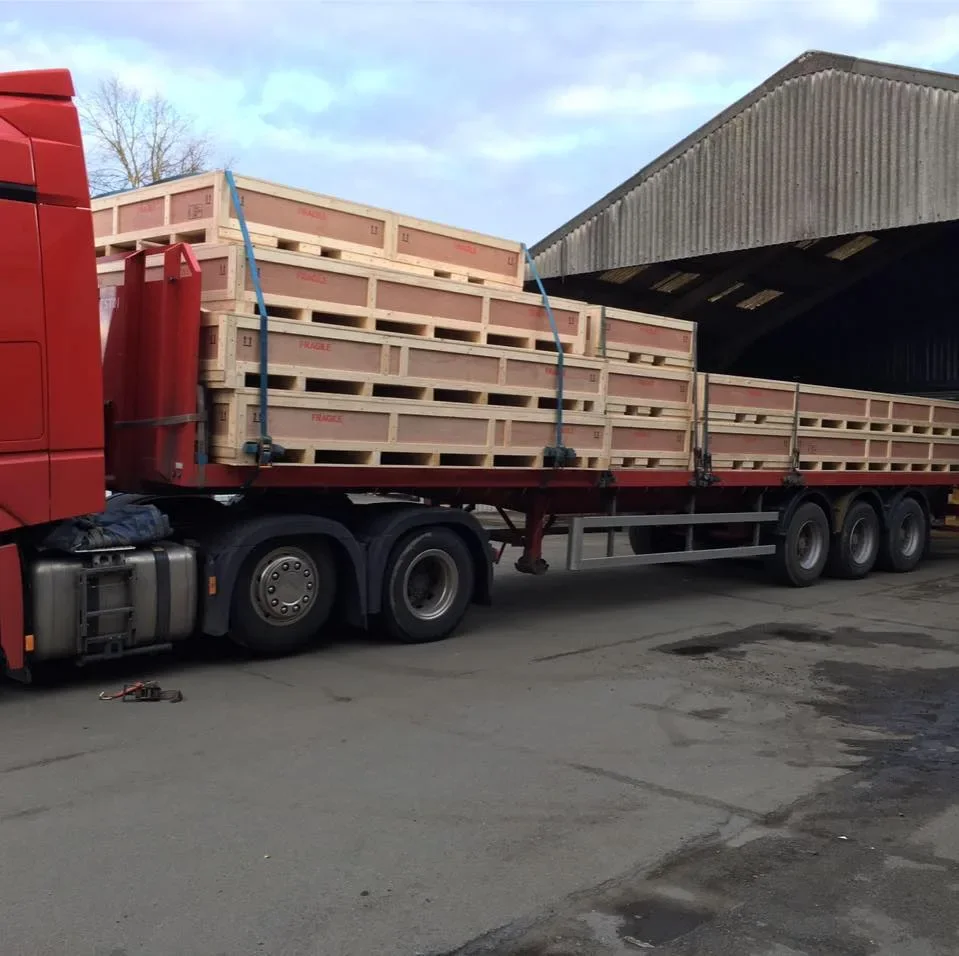
When goods are lost or damaged, a carrier's liability is normally limited by international rules, and the limit is set by weight, not value. A light painting worth thousands could be worth very little under those limits.
SDR stands for Special Drawing Rights, a unit set by the International Monetary Fund. Its value in pounds and dollars moves day to day. These are the general limits. Some carriers offer higher declared values, and couriers often restrict or exclude art altogether.
For art and antiques, separate transit insurance for the real value of the piece is the safer choice.
| How it travels | Typical carrier limit | What that means for art |
|---|---|---|
| By air (Montreal Convention) | 26 SDR per kg, since 28 December 2024 | Roughly $35 per kg. A 10 kg painting is limited to a few hundred dollars |
| By road in Europe (CMR) | 8.33 SDR per kg | Even less per kilo than air |
| By sea | Set per package or per kg, under maritime rules | Low compared with the value of most art |
Types of transit cover
Policies differ, so read the wording of yours. These are the terms you'll usually see:
Common exclusions to look for include gradual deterioration, wear and tear, inherent vice (damage caused by the piece's own make-up, like flaking paint), and sometimes damage from packing done by the owner. Check whether the policy covers the piece while it's in storage or in a customs warehouse, and whether it covers the whole route door to door.
Covers loss or damage from any cause that isn't specifically excluded. It's the usual form for fine art transit, but exclusions still apply.
Also called wall to wall. Covers the piece from the moment it's taken down or collected until it's delivered or hung at the other end, including packing and any time in storage.
You and the insurer agree the value before it travels, so a total loss pays that figure. Usually backed by a valuation or invoice.
Pays what the piece was worth at the time of loss, which has to be shown after the event. Agreed value is usually simpler for art.
Send us a photo and the measurements.
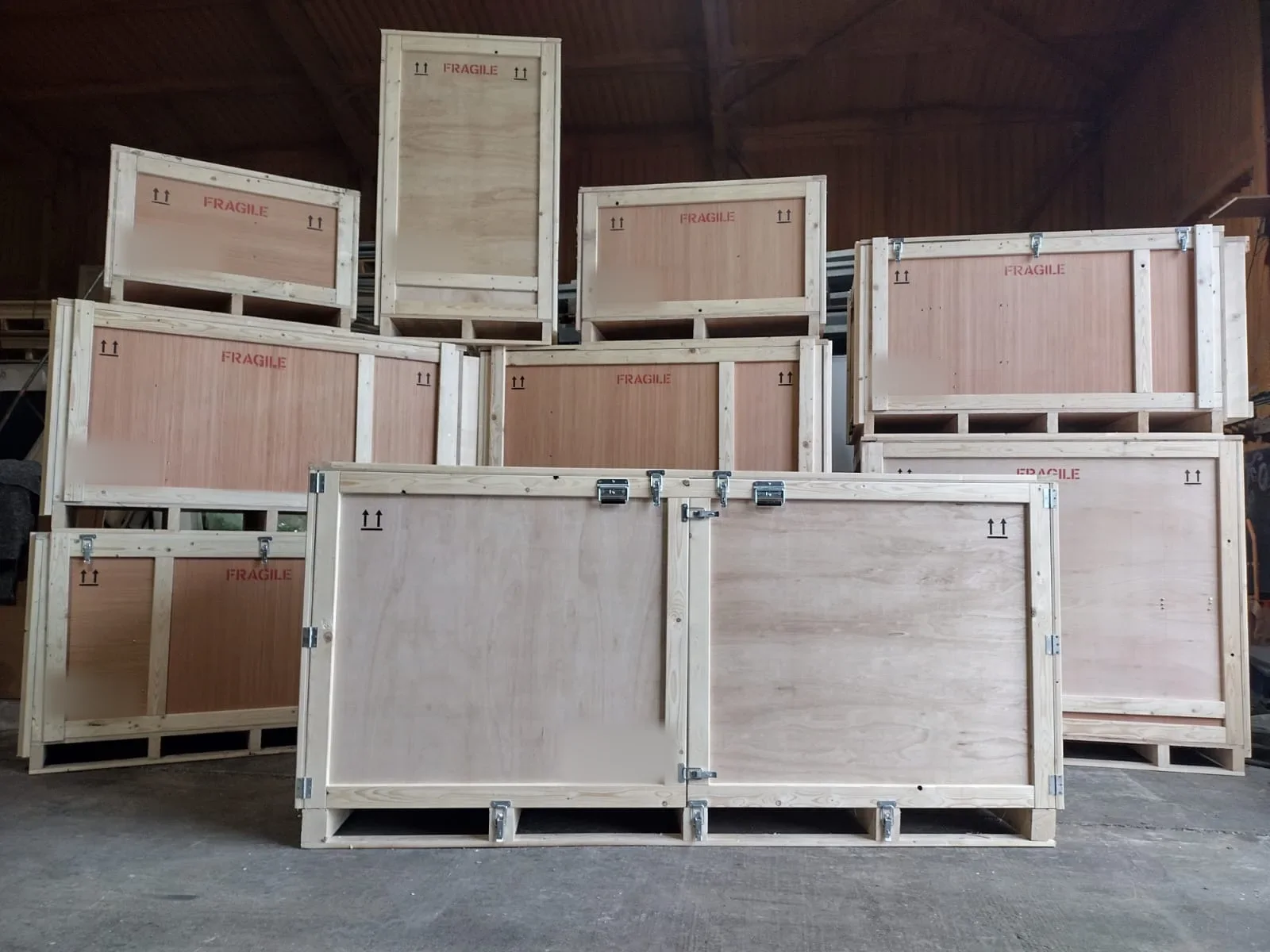
We’ll recommend the crate, the lining and the supports, and come back with a bespoke quote.
How do you value a piece for insurance?
Insure for what it would cost to replace or what it would sell for now, not what you paid years ago.
- A recent sale: the invoice or auction receipt, including buyer's premium if that's how the insurer wants it.
- A piece you've owned for a while: a recent written valuation from a qualified valuer.
- An artist's own work: the current selling price for similar works.
- A collection: an itemised list, with a value for each piece, not just a total.
Under-insuring can mean a reduced payout, even on partial damage, depending on the policy. If in doubt, ask the insurer how they treat it.
What to photograph before it travels
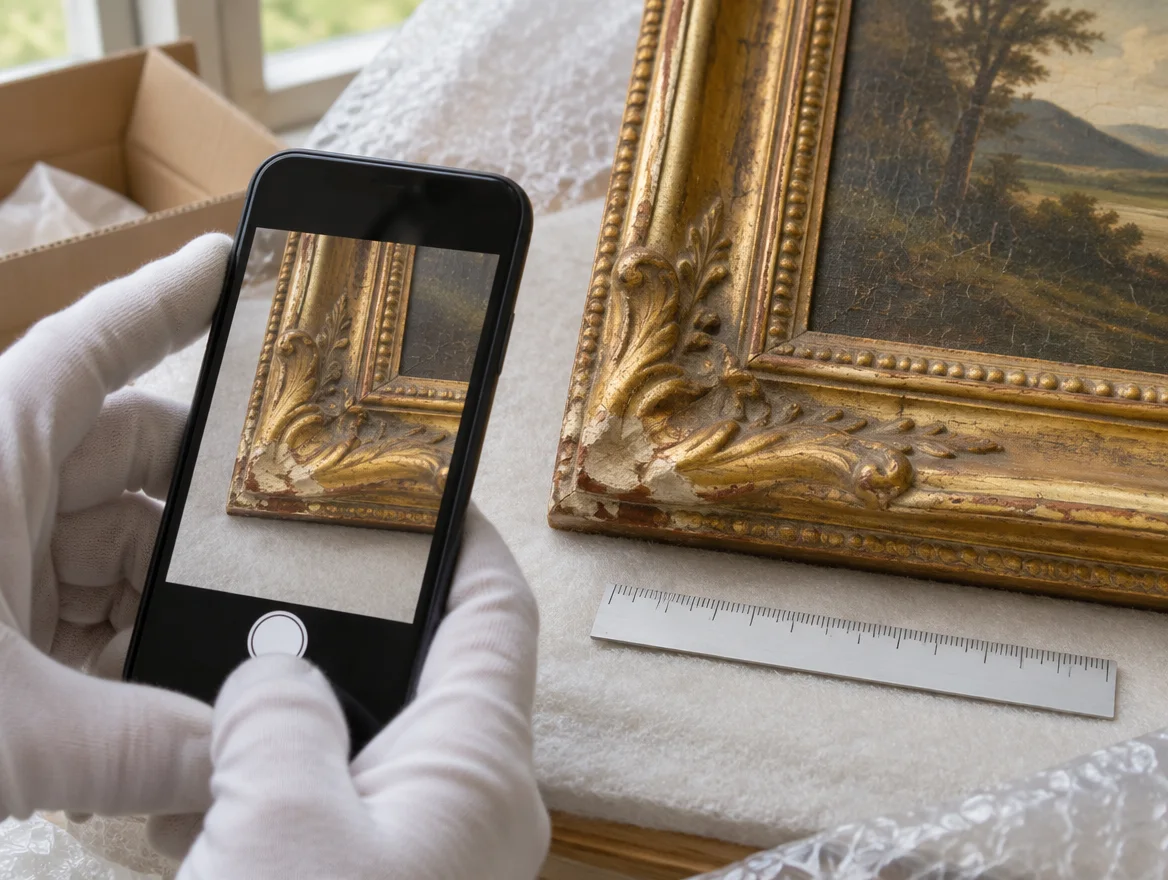
Good photos before packing make any claim much simpler, because they show the condition the piece left in.
- The whole front, square on, in good even light
- The back, including labels, stamps, inscriptions and the stretcher or frame
- Each corner and edge, where knocks show first
- Close-ups of any existing cracks, chips, flaking, repairs or wear
- The frame or glass separately, if it has one
- Signatures, maker's marks and serial numbers
- Each part of anything that comes apart, like a clock or a sculpture on a base
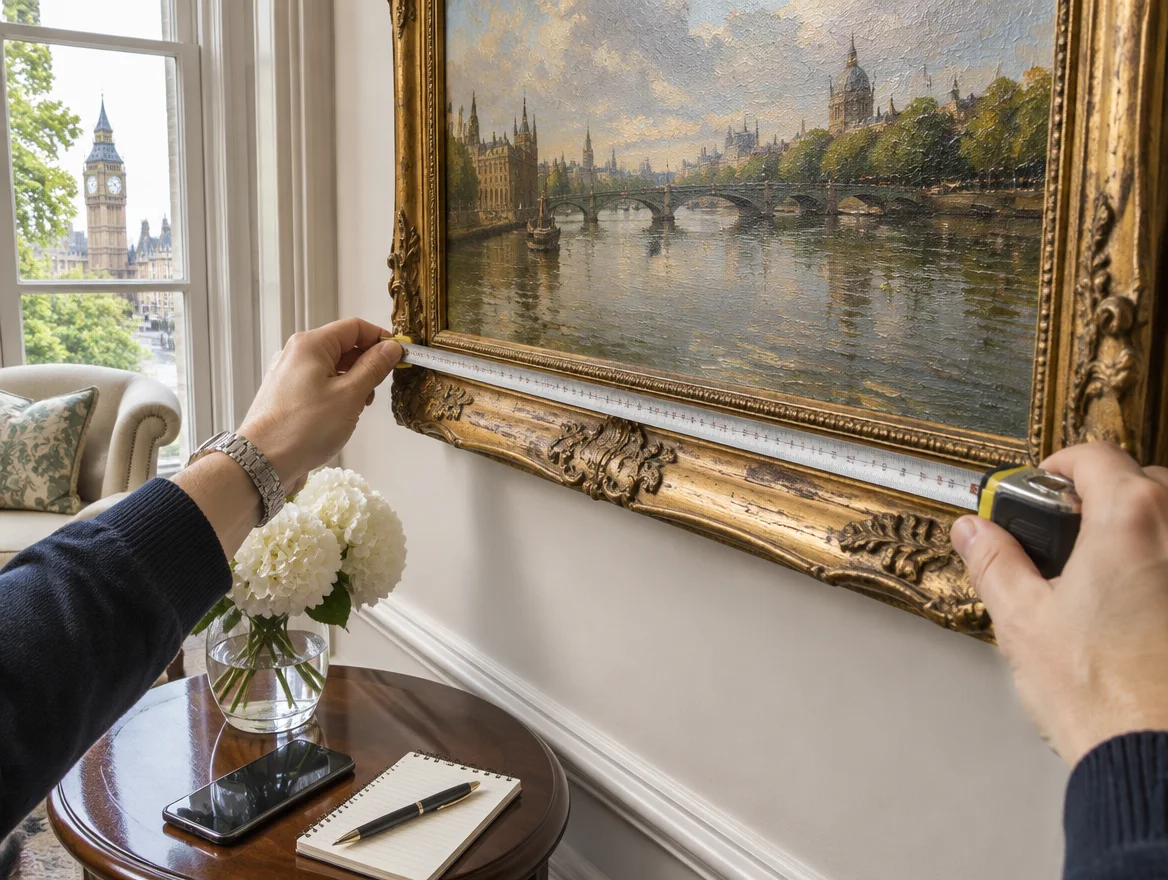
- A ruler or tape measure in one shot, to show its size
Keep the photos with the valuation and the invoice. When the piece arrives, unpack it carefully, photograph it again before it goes on display, and report any damage straight away, before the packing is thrown away.
If something arrives damaged
- 01Stop unpacking
If you see damage, stop and leave the piece and its packing as they are, as far as is safe.
- 02Photograph everything
The crate outside and in, the packing and the damage, before anything is moved or thrown away.
- 03Tell us and your insurer
Straight away. Policies usually set a short time limit for reporting damage.
- 04Keep the evidence
Keep the crate, the packing, the delivery paperwork and your before photos until the claim is settled.
- 05Don't repair it yet
Insurers usually want to see the damage, or have it assessed, before any restoration starts.
How the packing protects your cover
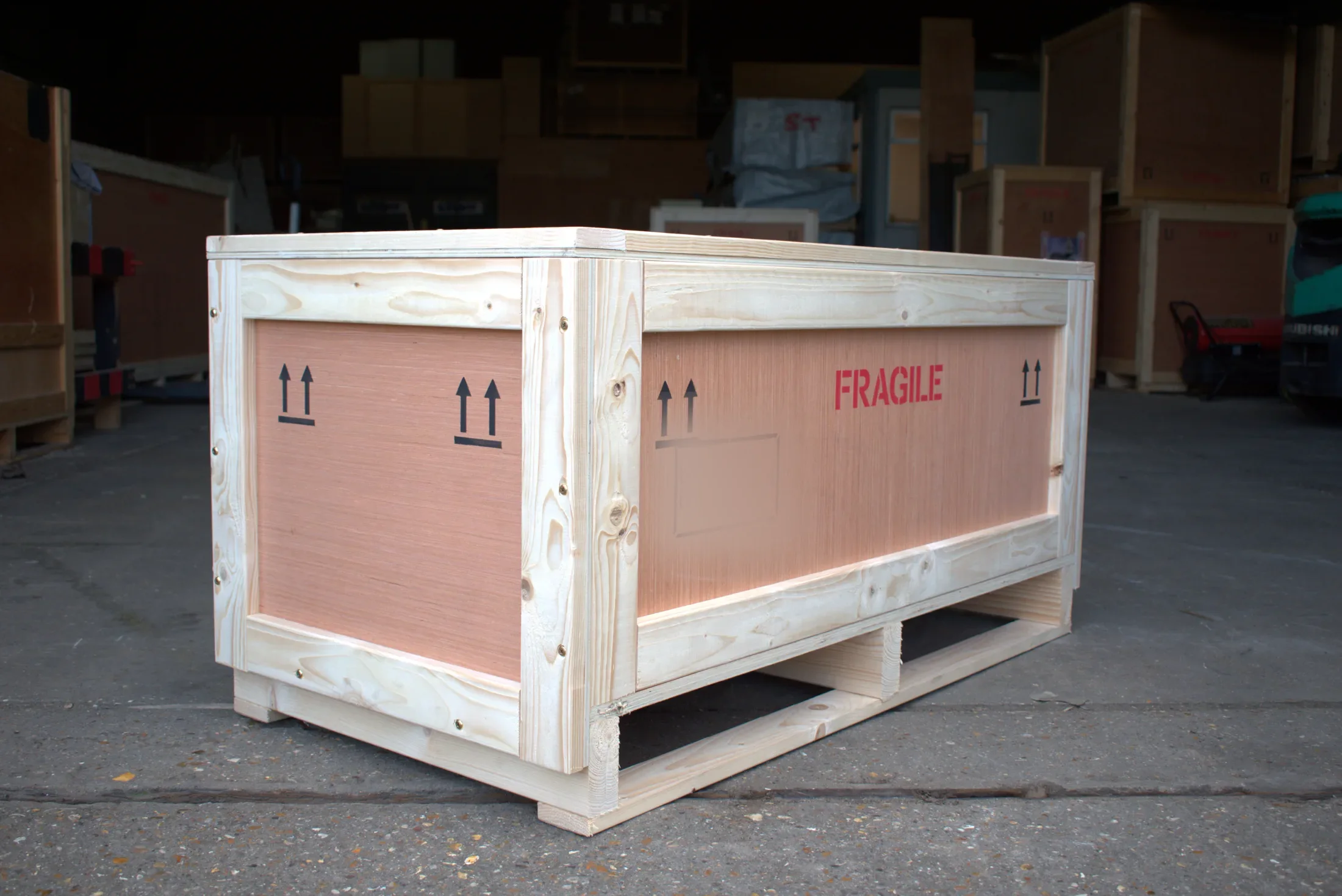
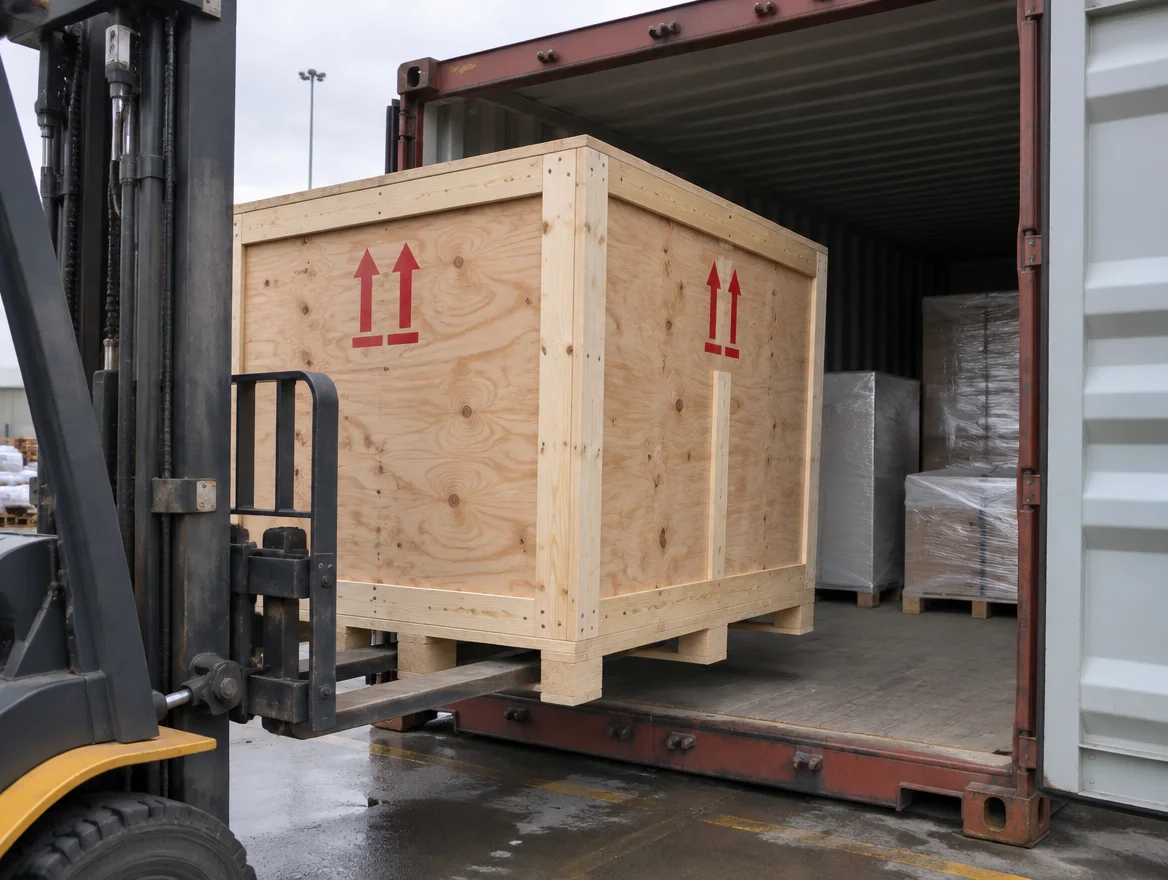
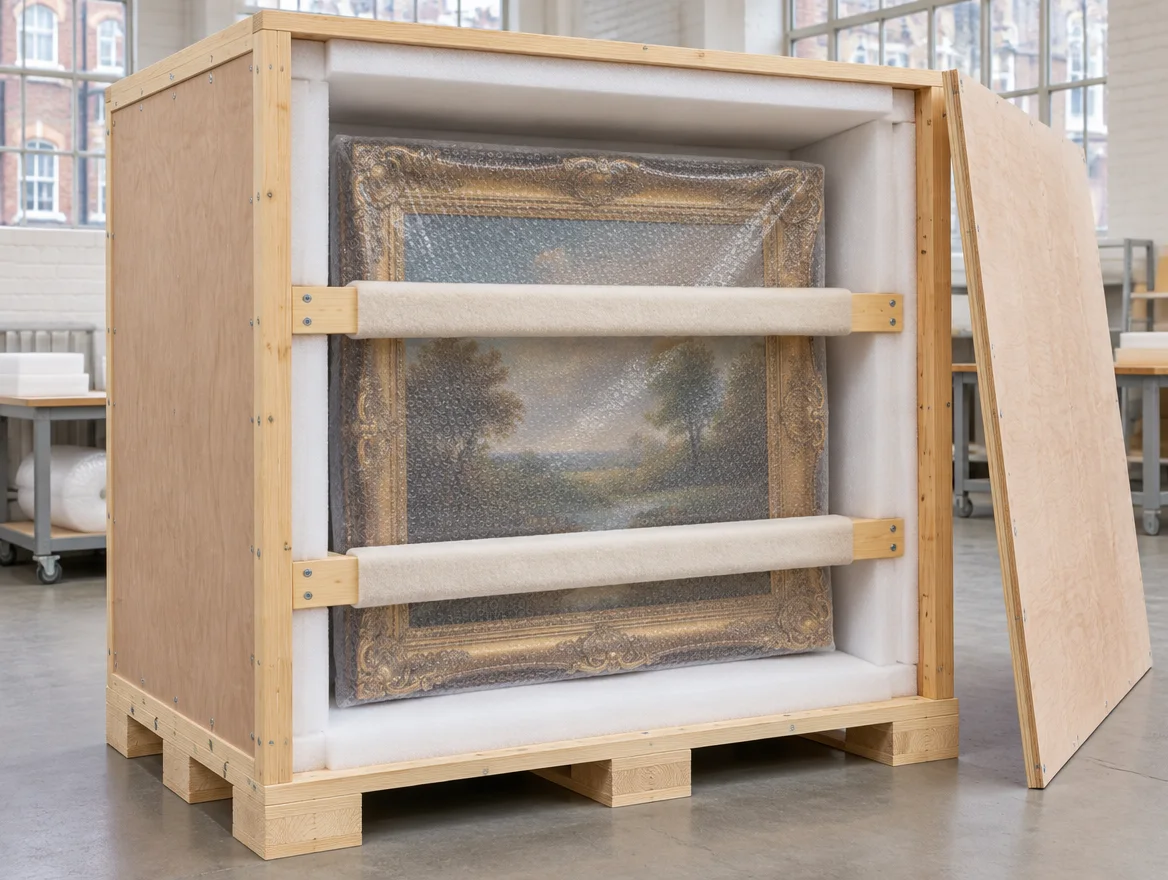
Insurers expect a piece to be packed properly for its journey. A crate built to measure, with the piece held still and its surface protected, is the best way to make sure damage doesn't happen in the first place.
See fine art crating for more on how we pack, and how it works for the whole journey.
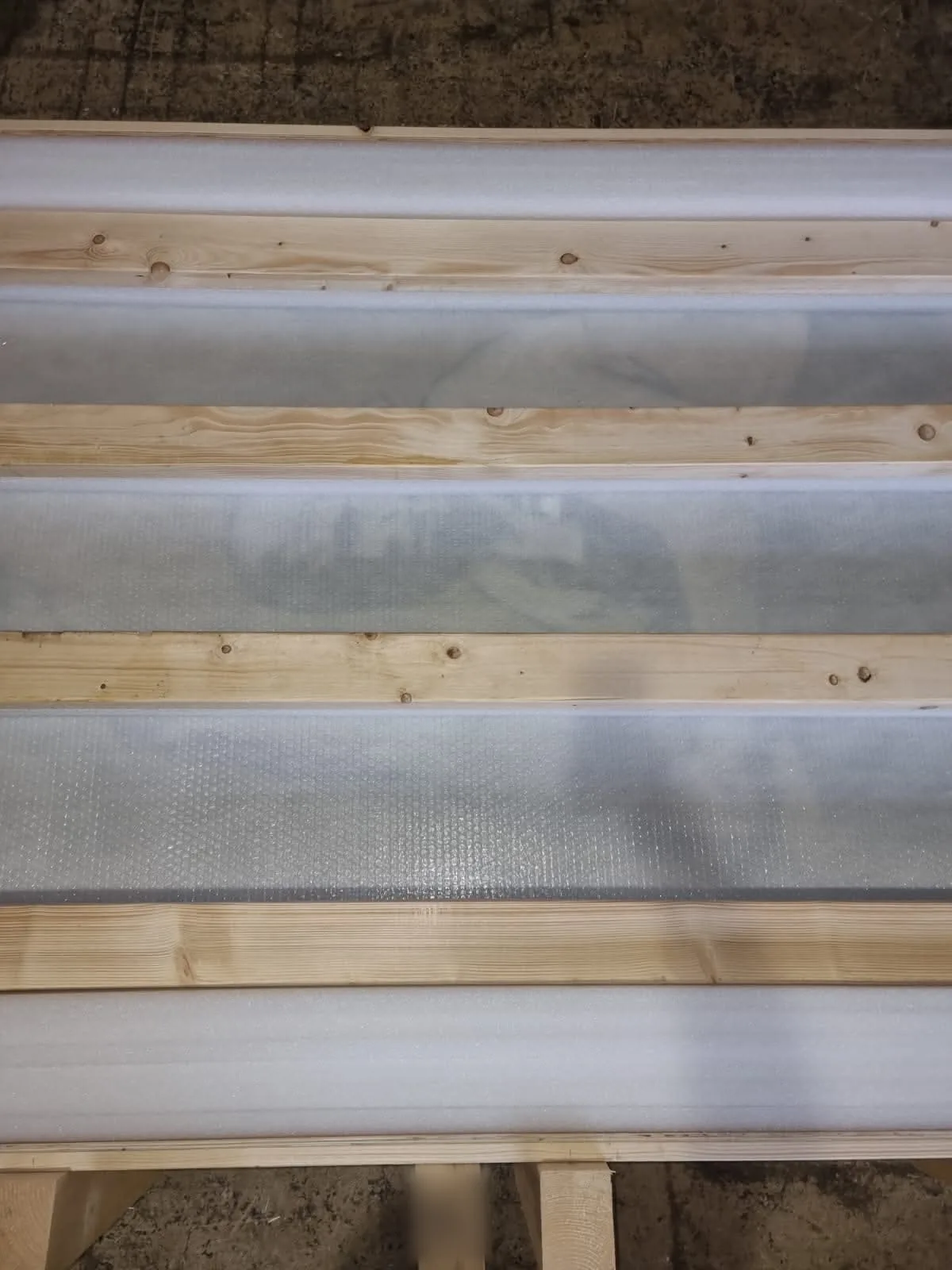
- 01Surface first
The surface is protected so nothing rough touches it.
- 02Held still
High density foam, HLB22 soft foam or polystyrene, chosen for the piece, so it can't move or rub.
- 03Crated to measure
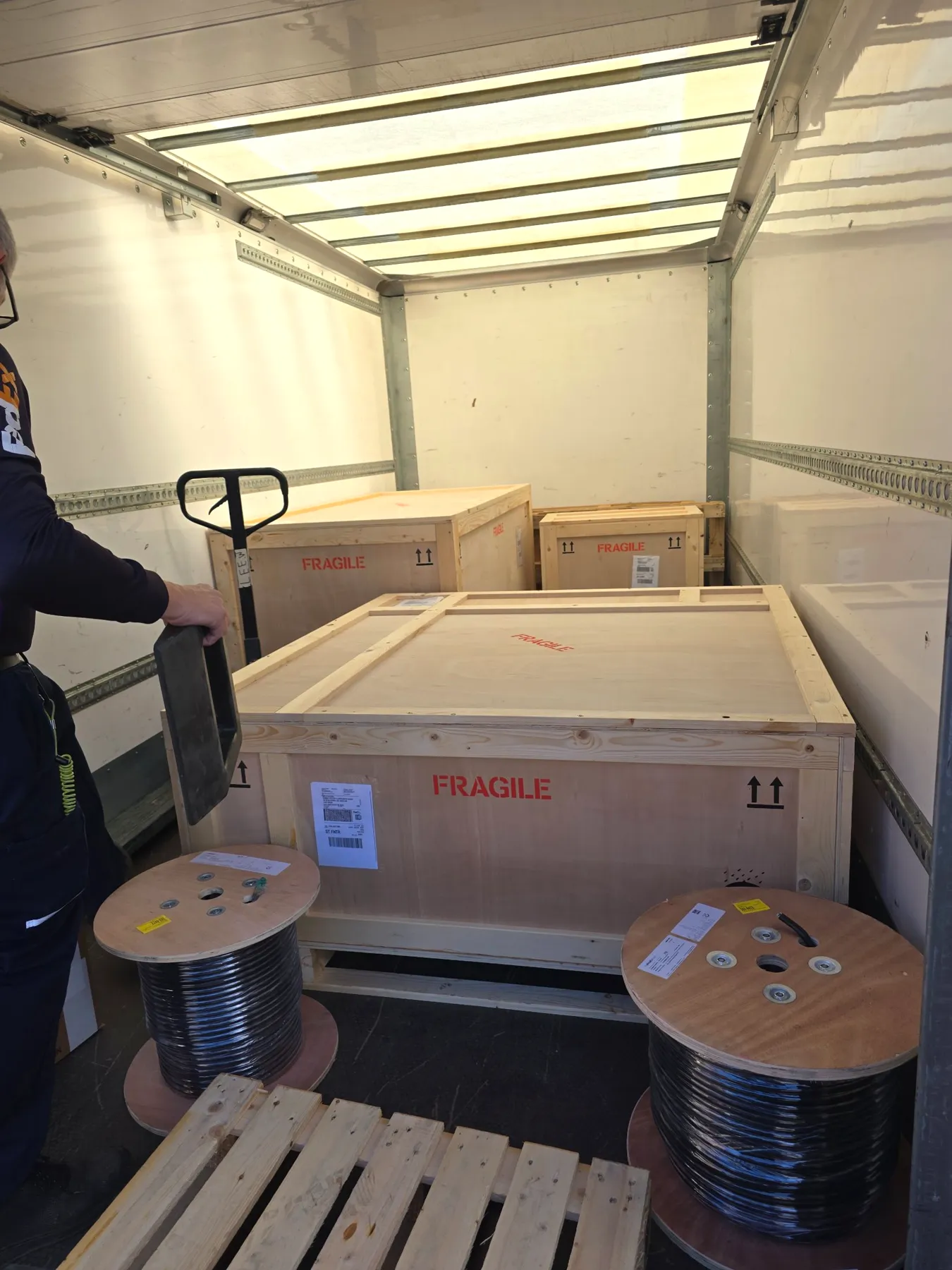
Timber and plywood, marked Fragile and This way up.
- 04Ready for the route
Wooden crates going abroad usually need to meet ISPM 15.
Questions to ask your insurer
- Is it all risks, and what is excluded?
- Does it cover nail to nail, including packing, storage and customs?
- Is the value agreed in advance?
- Does it cover the whole route, to the door at the other end?
- What evidence will you need if there's a claim?
- How quickly must damage be reported after delivery?
Transit insurance is available for every export, bought by you job by job. Ask us about it when you request your quote.
Common questions
Is our piece insured in transit? +
Transit insurance is available for every export. It's bought by you, job by job, so the cover matches the piece being shipped. We also have public and product liability insurance.
Do we need transit insurance? +
For anything valuable, yes. Carriers' own liability is usually limited by weight, not value, so a light but valuable piece could be worth very little under those limits.
What does nail to nail cover mean? +
It covers the piece from the moment it's taken off the wall or collected until it's delivered or hung at the other end, including packing and any storage on the way. Check your policy wording, because cover varies.
What does all risks cover? +
Loss or damage from any cause that isn't specifically excluded. Common exclusions include wear and tear, gradual deterioration and inherent vice, so read the exclusions.
How much should I insure a painting for? +
Its current value: what it would sell for or cost to replace now, backed by a recent invoice or written valuation. Under-insuring can reduce what you're paid.
What should I photograph before shipping art? +
The front and back, each corner, any existing damage or repairs, labels and signatures, and the frame or glass. Photograph it again when it arrives, before it goes on display.
What is a carrier's liability limit for air freight? +
Under the Montreal Convention it's 26 SDR per kilogram, which was about $35 per kg when it took effect on 28 December 2024. That's why separate insurance for the real value matters.
What insurance do you have? +
Public liability and product liability insurance are in place for our work. Transit insurance is available for every export, bought by you job by job.
Related
Six steps, one specialist.
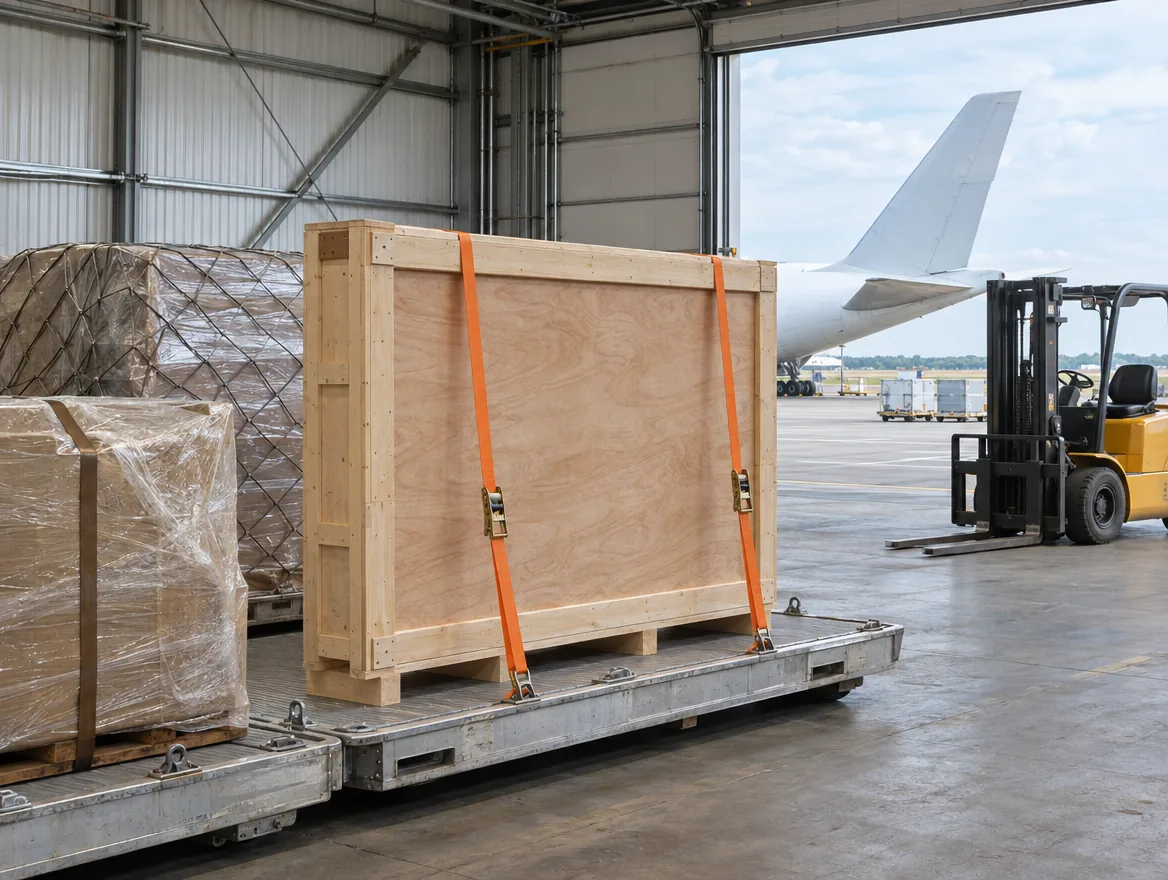
How art shipping works, end to end, and where we ship.
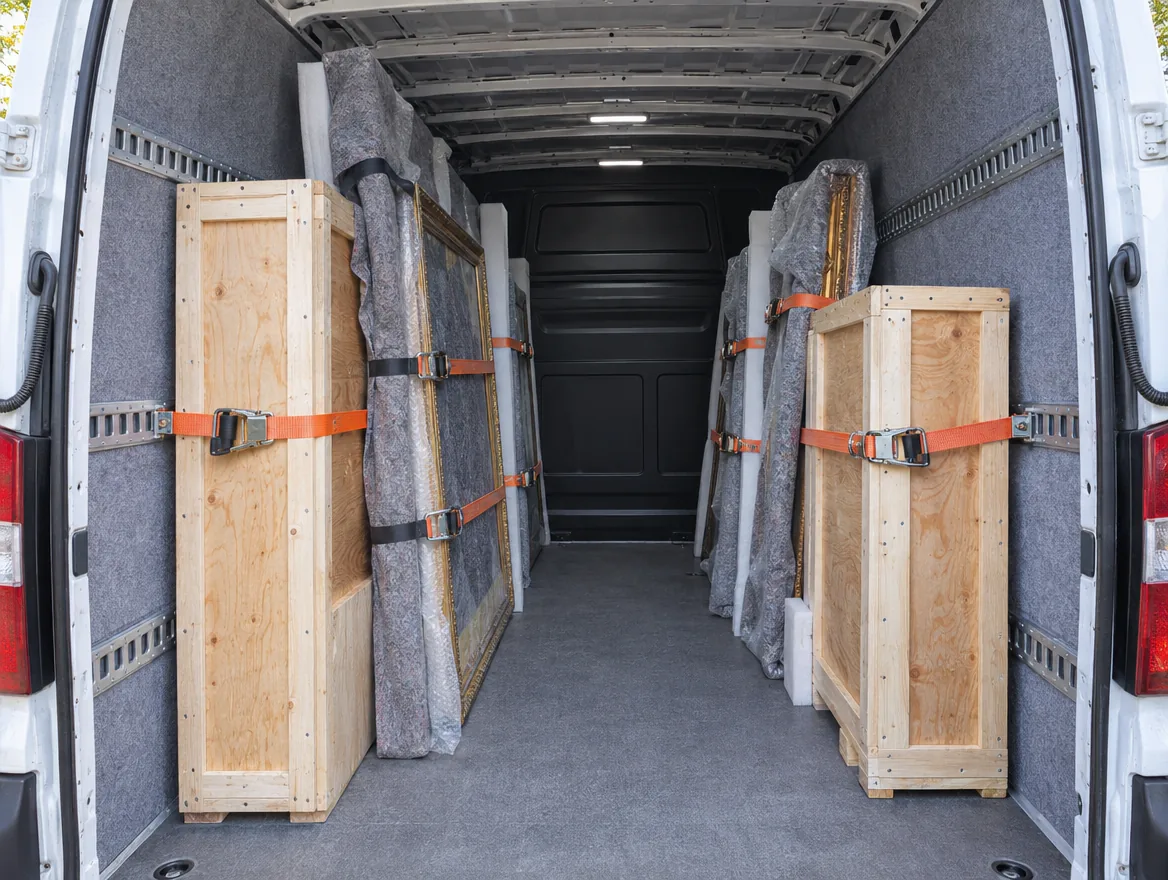
Collected by hand, carried upright, placed in the room.
Swipe for more →
Tell us what needs to travel.
Every quote is bespoke, based on the piece itself. Send us the details and we'll come back to you.