

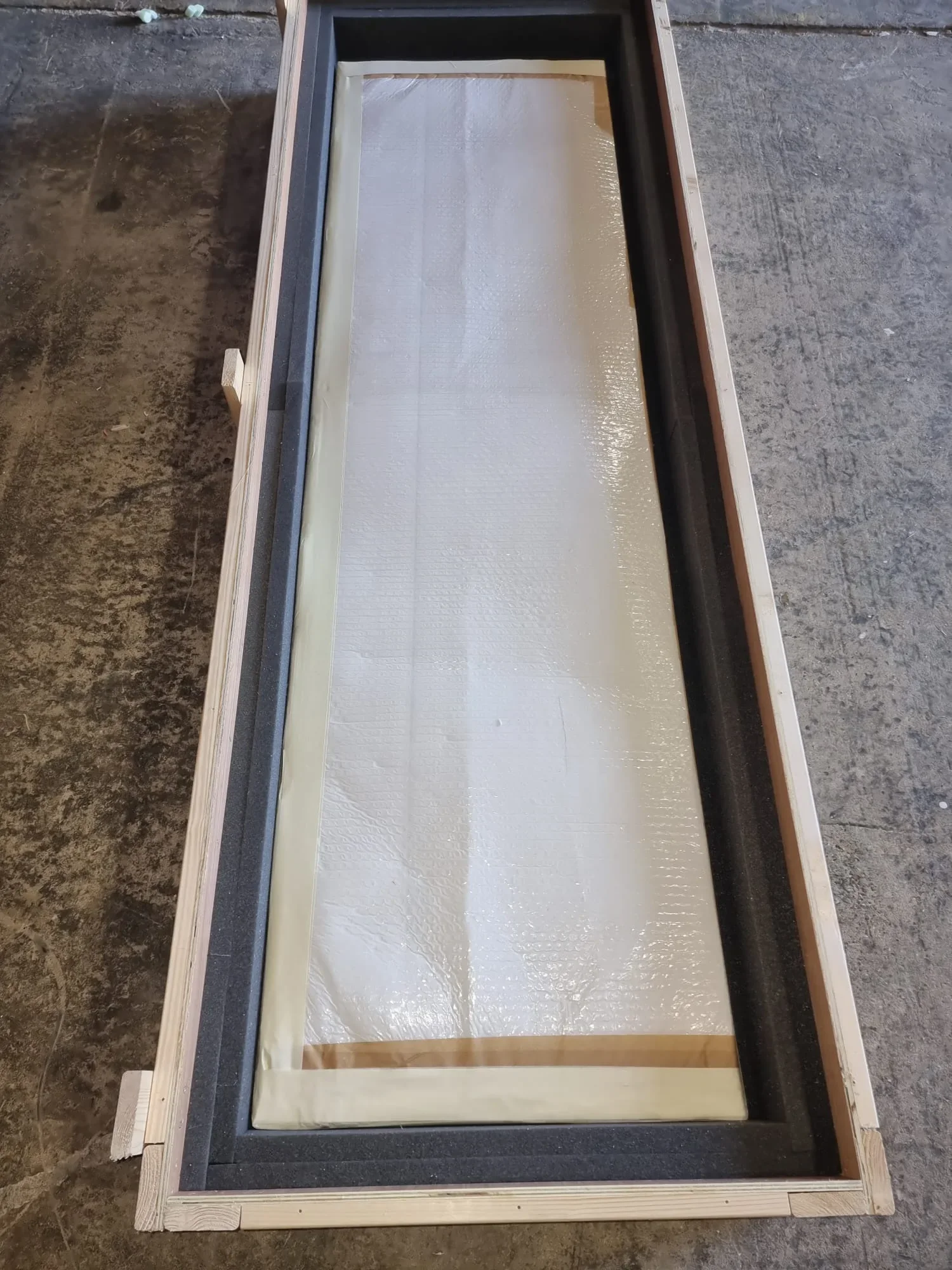
Crates for paintings and framed works
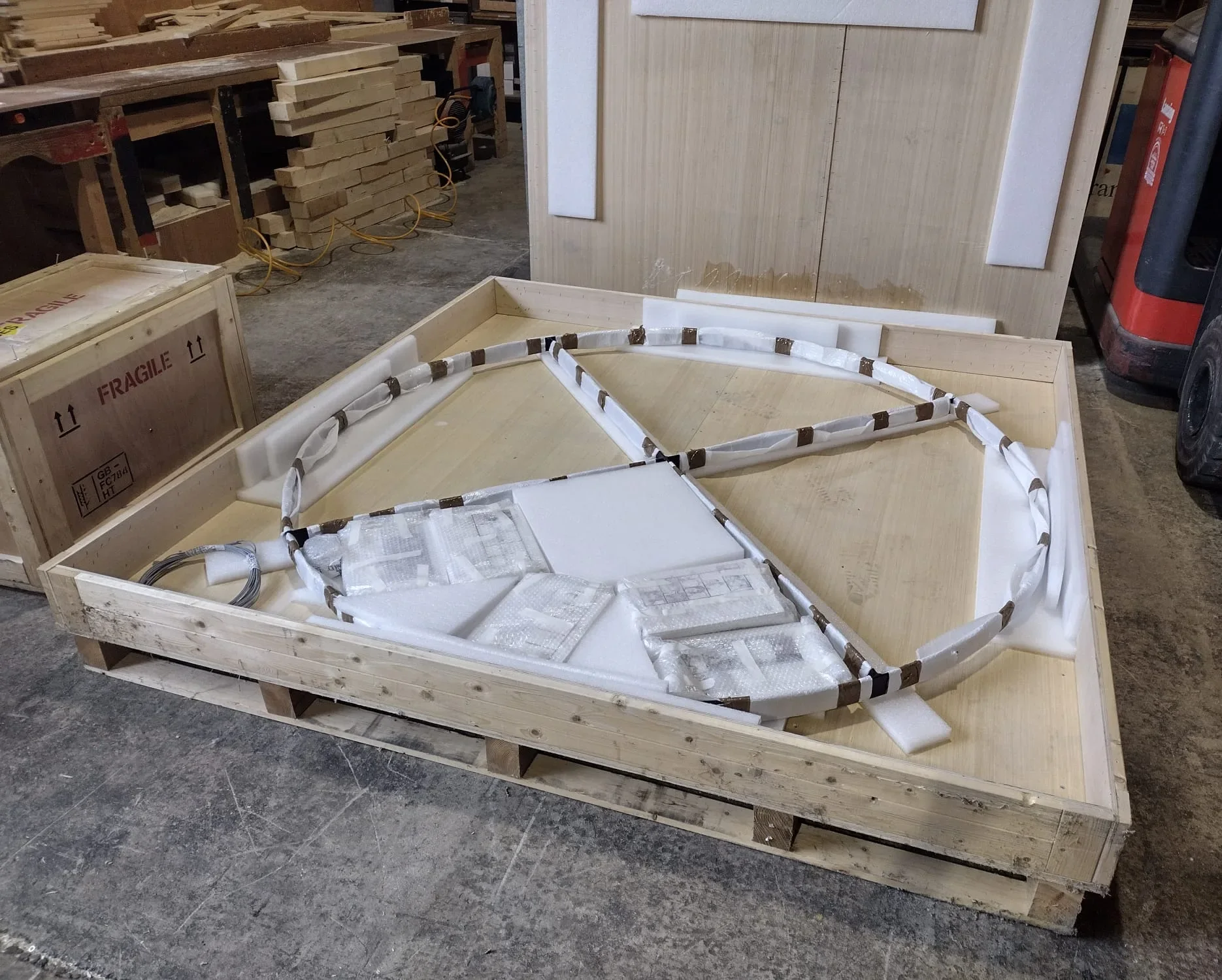
A painting needs two things on the road: nothing touching its surface, and nothing letting the frame move. We wrap each one by hand, hold it on its frame and build a crate to its size, for one painting or a whole collection.
How do you pack a painting for shipping?
The short answer: protect the surface first, hold the painting by its frame, and put it in a crate that fits so it can't move. Here is how that works, step by step.
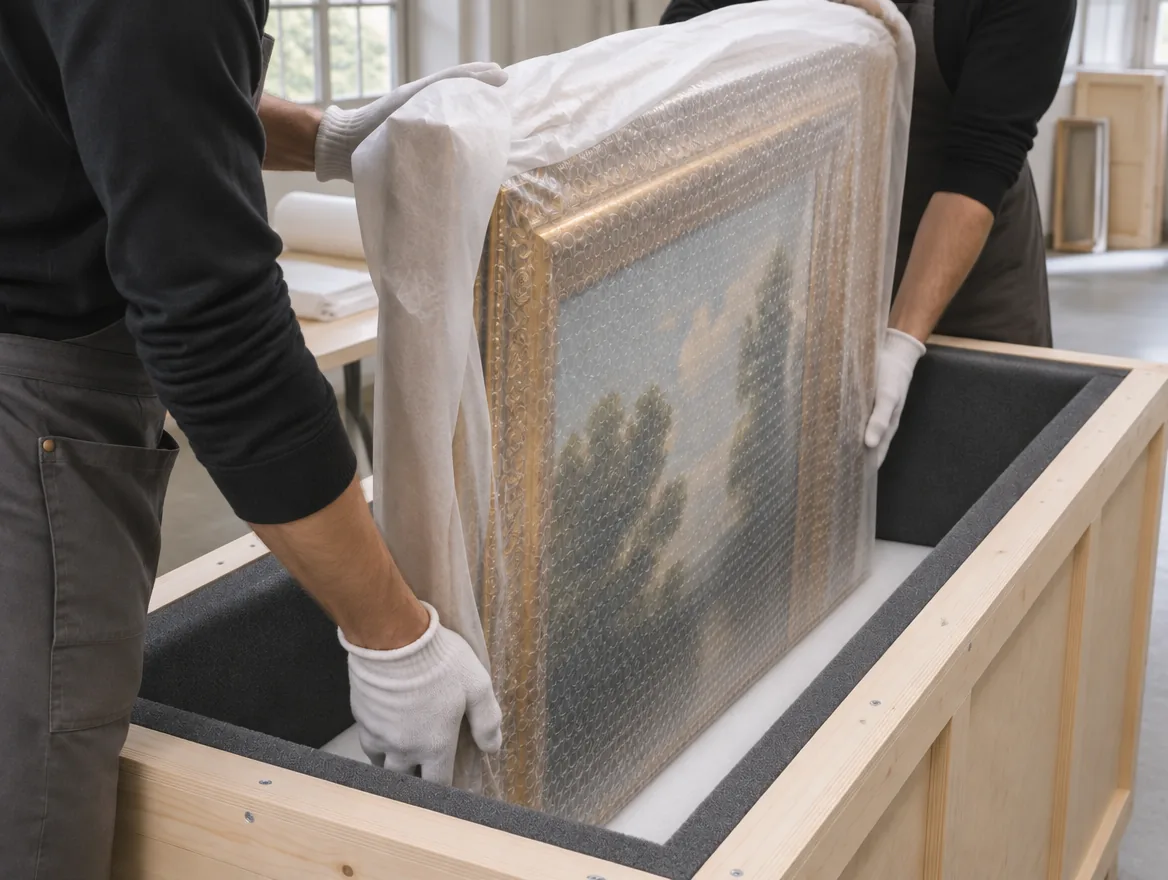
- 01Check and photograph it
Before anything is wrapped we look over the front, back and frame and take photos. Loose frame corners, flaking paint or a loose canvas are noted so nobody is surprised at the other end.
- 02Tissue paper first
The surface is covered with tissue paper. Nothing rough, and never bubble wrap, goes straight onto paint, because it can leave marks pressed into the surface. Bubble wrap only goes on over the tissue.
- 03Protect the corners and frame
Corners and carved or gilded edges get extra foam, as they take the knocks first.
- 04Build the crate to size
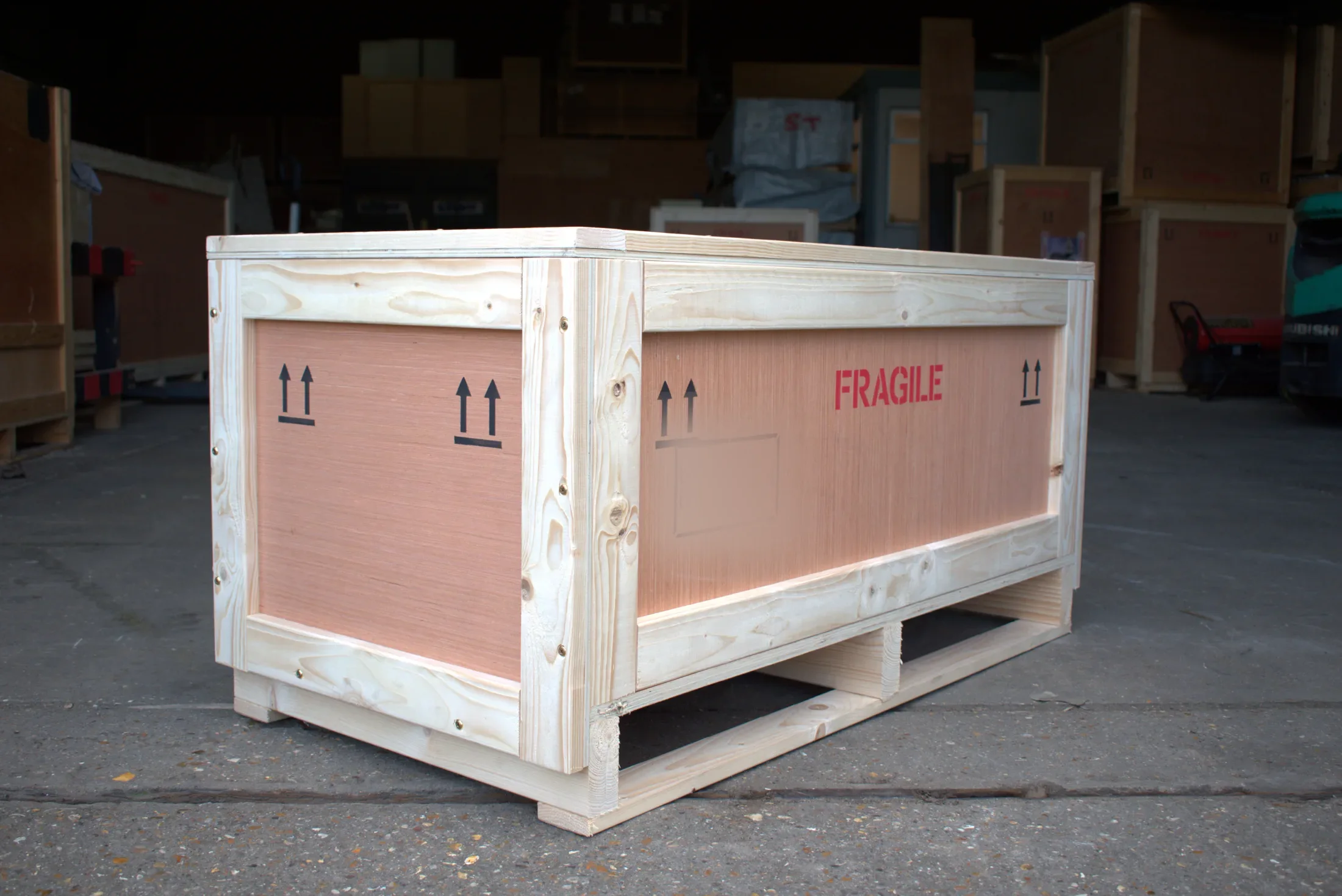
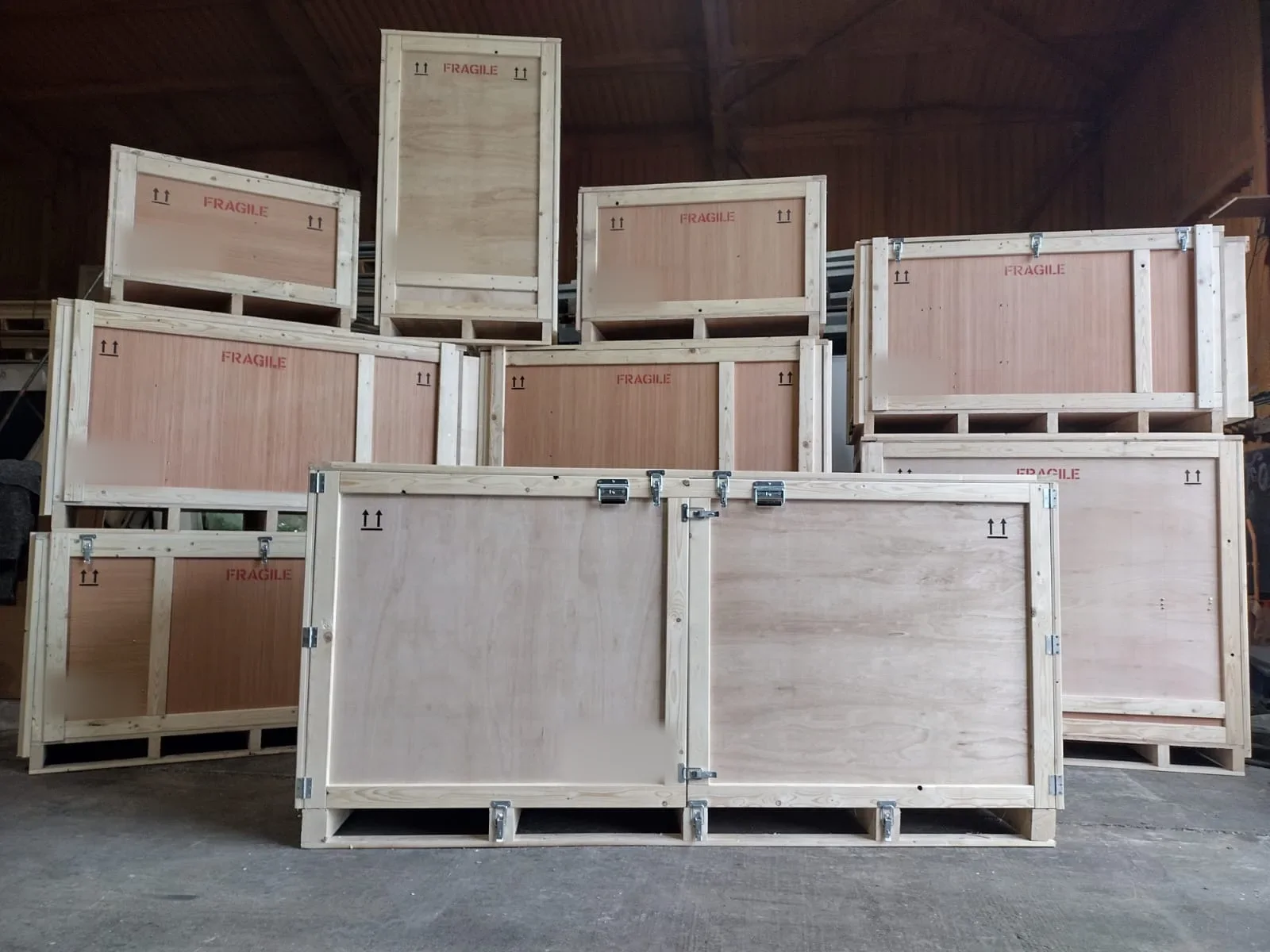
A timber frame with plywood panels, sized to the painting with room for the lining and no more.
- 05Line it and hold it still
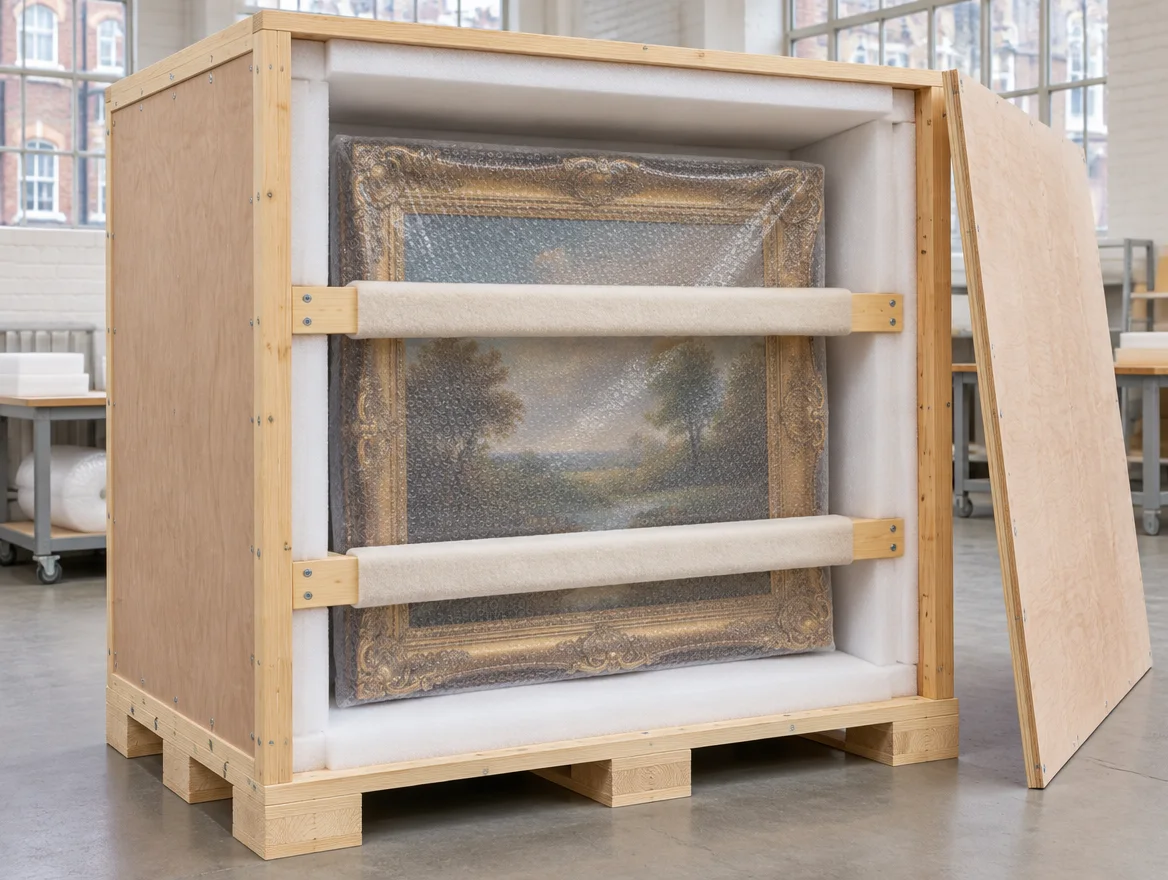
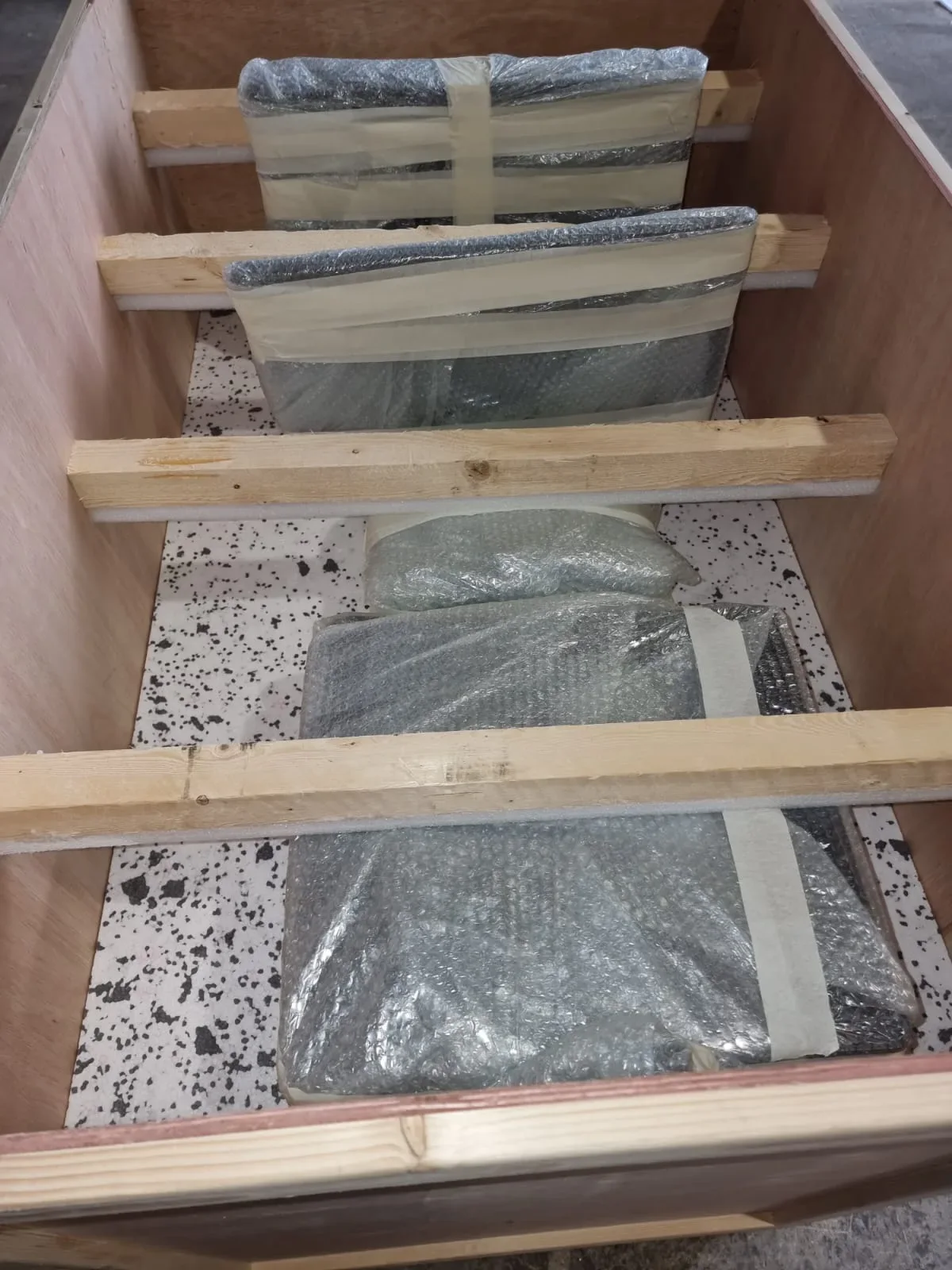
The crate is lined with foam, and padded battens are fixed across the frame front and back, so the painting is held by its frame and never by its surface.
- 06Close, mark and ship
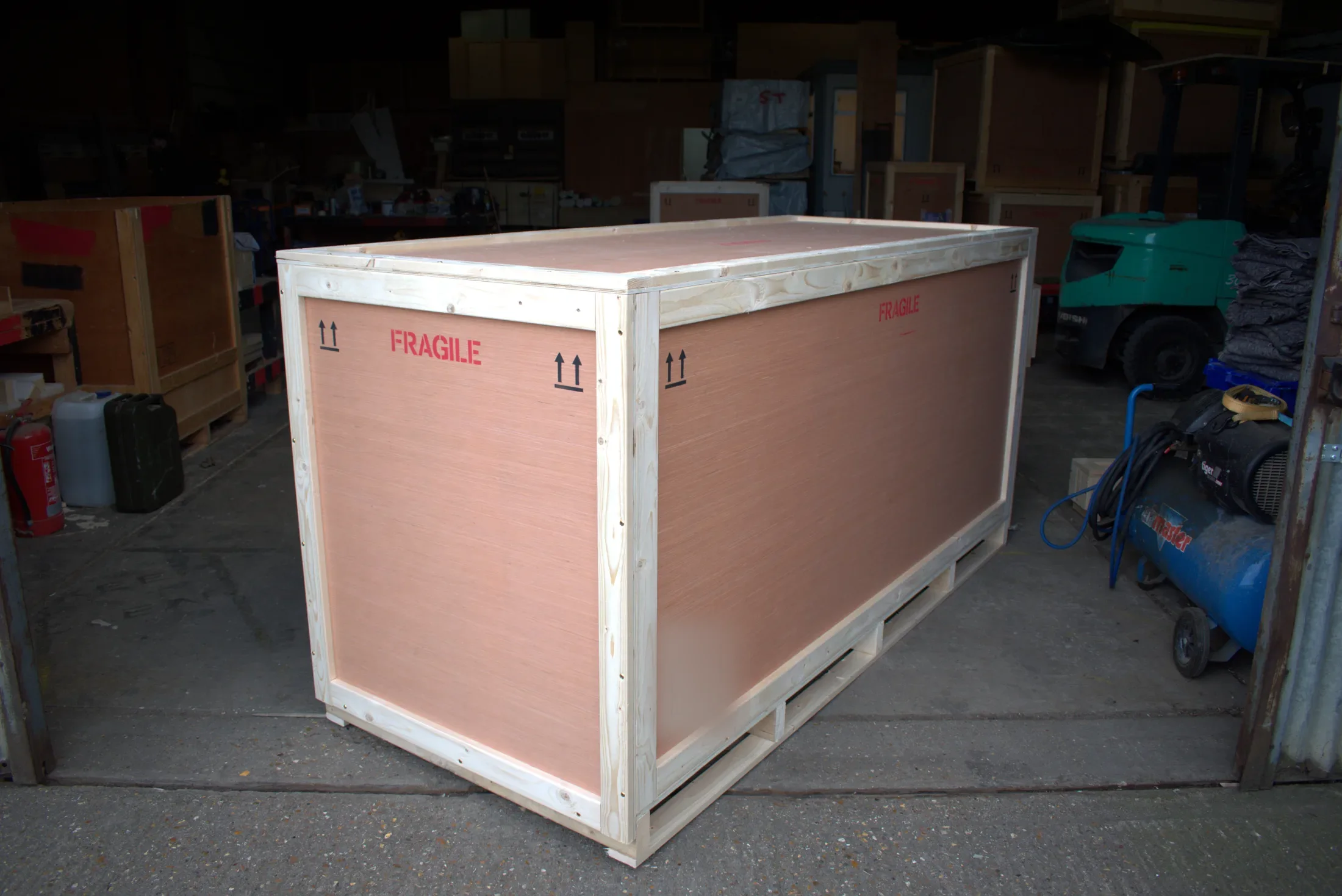
Screwed shut, marked Fragile and This way up, and sent on to its address.
Which lining suits a painting?
For most framed paintings we use HLB22 soft foam, a charcoal grey foam that gives a little and cushions knocks and vibration around a delicate frame. For lighter flat works and larger crates where weight matters, polystyrene boards keep the lining firm without adding much weight, and it is the most affordable option. High density foam is kept for very heavy frames or for the blocks and battens that hold things in place.
Each lining comes in 25 mm, 50 mm, 75 mm and thicker. Thicker isn't always better: the right thickness depends on the size and weight of the work and how far it's going. We choose it when we quote.
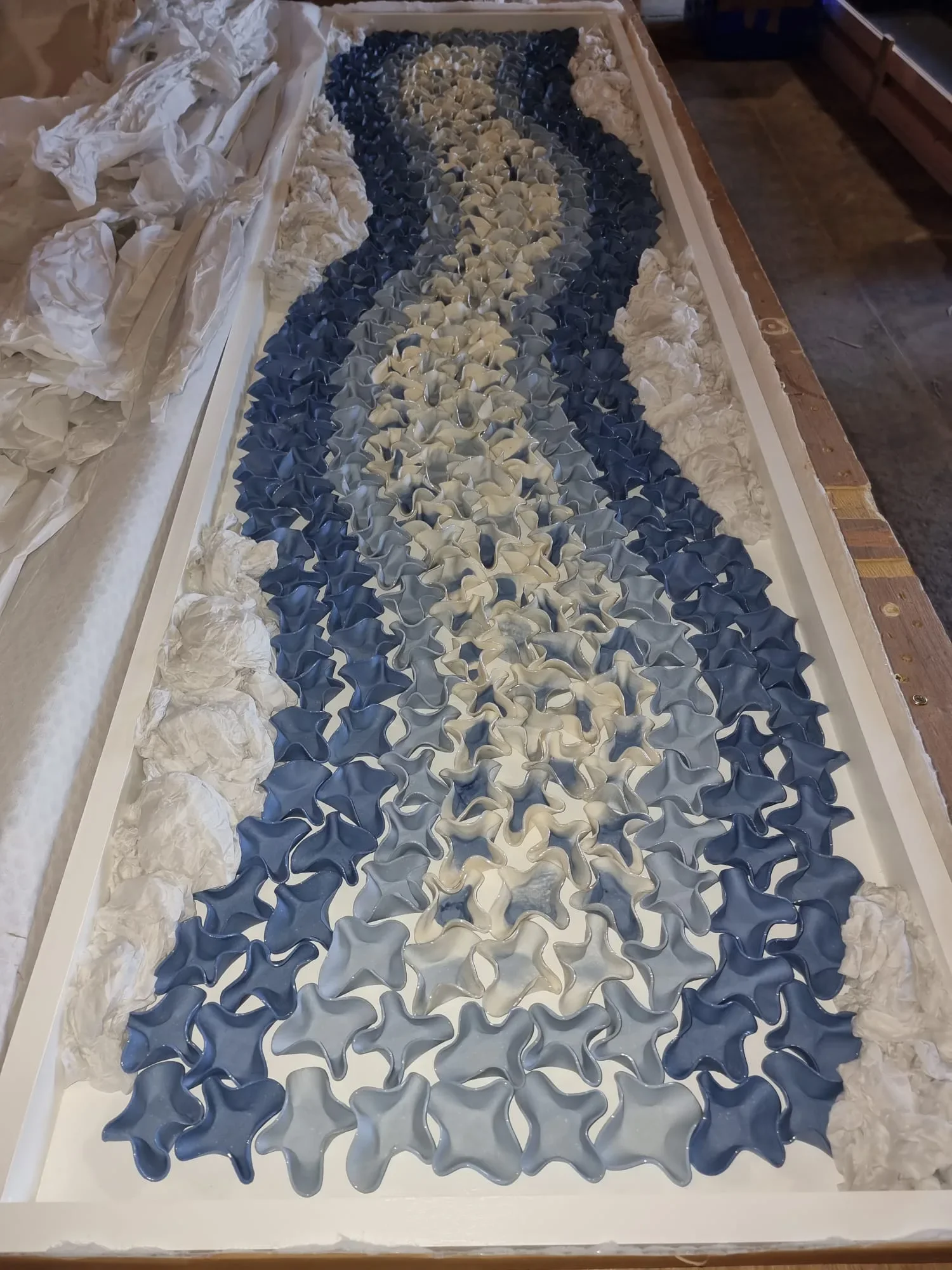
Canvas, panel, works on paper: what changes?
- Oil on canvas. The canvas is flexible and sensitive to damp. Nothing should press on the back of the canvas either, so we pad the stretcher, not the canvas itself.
- Paintings on panel. Wood panels are heavier and can split if they dry out or get damp quickly. They need firm, even support and a crate that slows down changes in the air.
- Works on paper, framed. Usually behind glass, so the glass is the main risk. See the section on glass below.
- Unframed canvases. Covered with tissue paper and held by the stretcher, never the canvas, on padded battens inside a crate built to size. Our crate or box guide explains the options.
Damp, heat and humidity
Humidity is the main risk to paintings and wooden frames on a long journey. Conservation bodies such as the Canadian Conservation Institute warn that very damp air is especially bad for canvas paintings, and that quick swings in humidity do more harm than steady conditions. Paint, canvas and wood all swell and shrink at different rates, which is how cracks start.
A closed, lined crate helps, because it slows down any change in the air around the painting. A few simple things help too:
- Avoid leaving a crated painting in a cold van or a damp store if you can.
- Let the crate sit for a day or so before opening it if it has come from a very different climate, so the painting adjusts slowly.
- Unpack in a room with steady heating, away from radiators and outside doors.
If your painting is very old, on panel, or already fragile, tell us when you ask for a quote. Ask us about extra protection against damp for long or sea journeys.
Recently finished, thick paint, or rolled?
- Freshly painted oils can stay soft for a long time, especially where the paint is thick. Wrapping them too soon can stick to or mark the surface. Tell us when it was finished, and ask us how best to protect it.
- Acrylics soften in heat. A wrap resting on an acrylic surface on a hot day can leave its texture behind, which is another reason the first layer must be smooth and nothing should press on it.
- Rolling a canvas saves space, but it isn't right for most finished paintings. Thick paint, varnish and older canvases can crack when rolled. For anything valuable, keep it on its stretcher and crate it flat.
- Heavy gilded frames may need firmer support underneath, as the frame often weighs more than the painting.
Send us a photo and the measurements.
We’ll recommend the crate, the lining and the supports, and come back with a bespoke quote.
Glass-fronted pictures
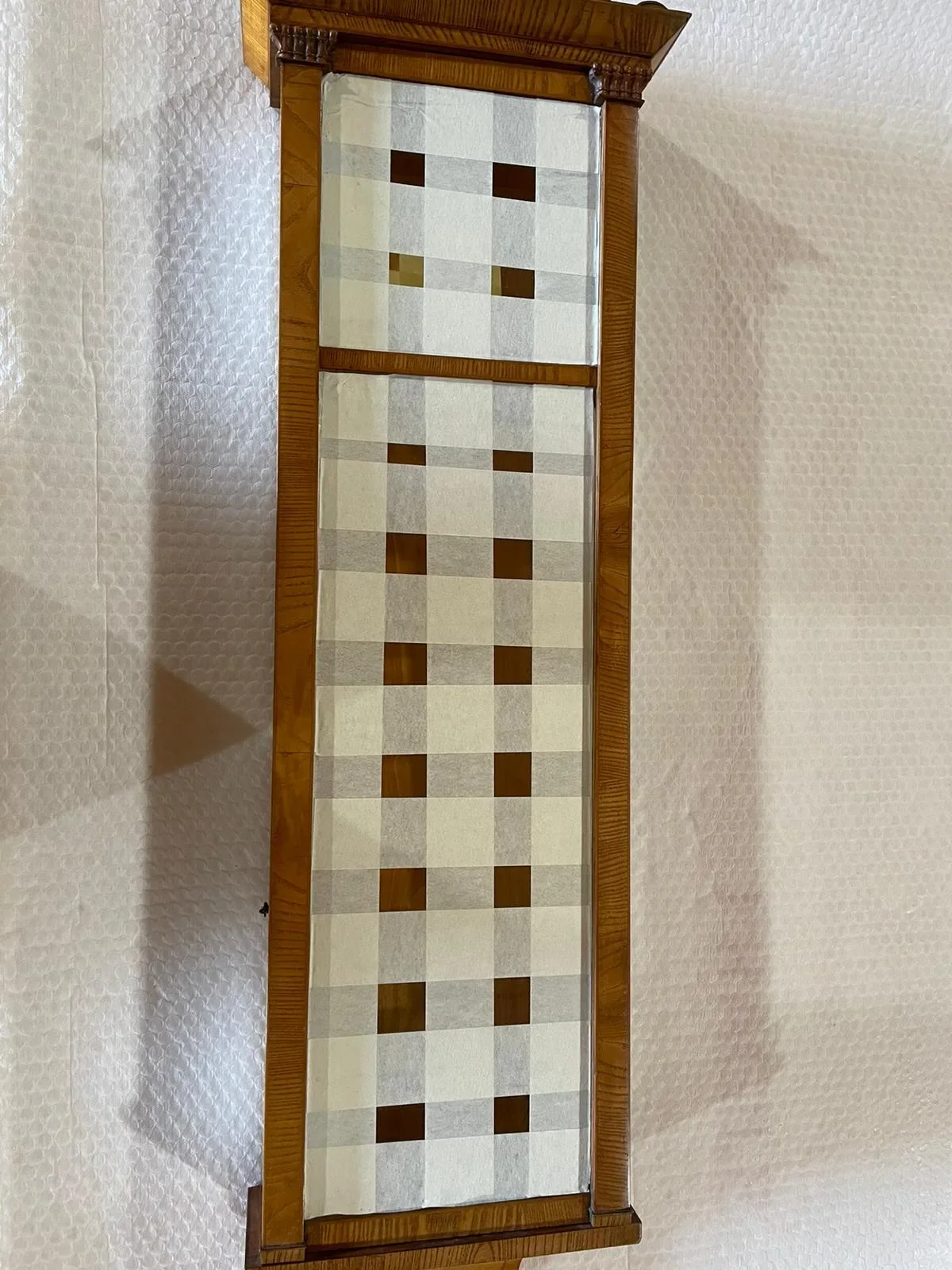
Glass is the part most likely to break, and broken glass is what scratches a work. So the glass is taped in a lattice before packing. If it cracks, the pieces stay in place instead of sliding across the picture.
If the picture is glazed with acrylic rather than glass, tell us. Acrylic scratches easily and tape can mark it, so it's protected a different way. More on glass on our mirrors and glass page.
Several works at once
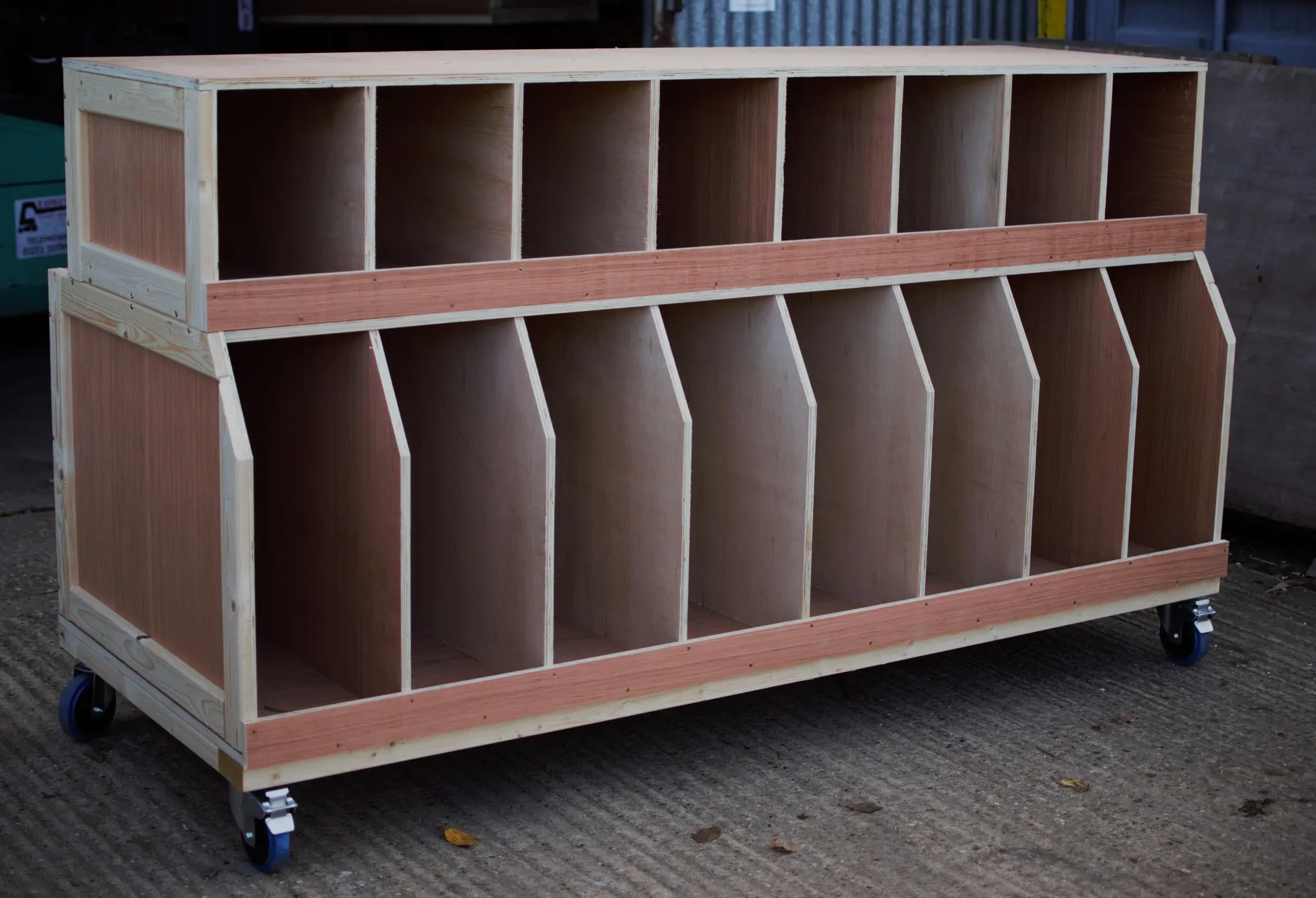
For a group of framed works, a rack crate with a padded slot for each one keeps them apart, so frames never rub against each other, and makes unpacking simple at the other end. For a single large painting, a crate built to its exact size is usually best.
Unpacking at the other end
Most damage on arrival happens in the first ten minutes, when a crate is opened in a hurry. A few simple rules:
- Open the crate in a clear space, with the crate standing the way its arrows show
- Lift the painting out by its frame, with two people for anything large
- Unwrap on a clean, padded table, face up, and peel the tissue paper away gently
- Check it against the photos taken before it left, and note anything new straight away
- Keep the crate if the painting may travel again; a well-made crate can be reused
What to tell us for a quote
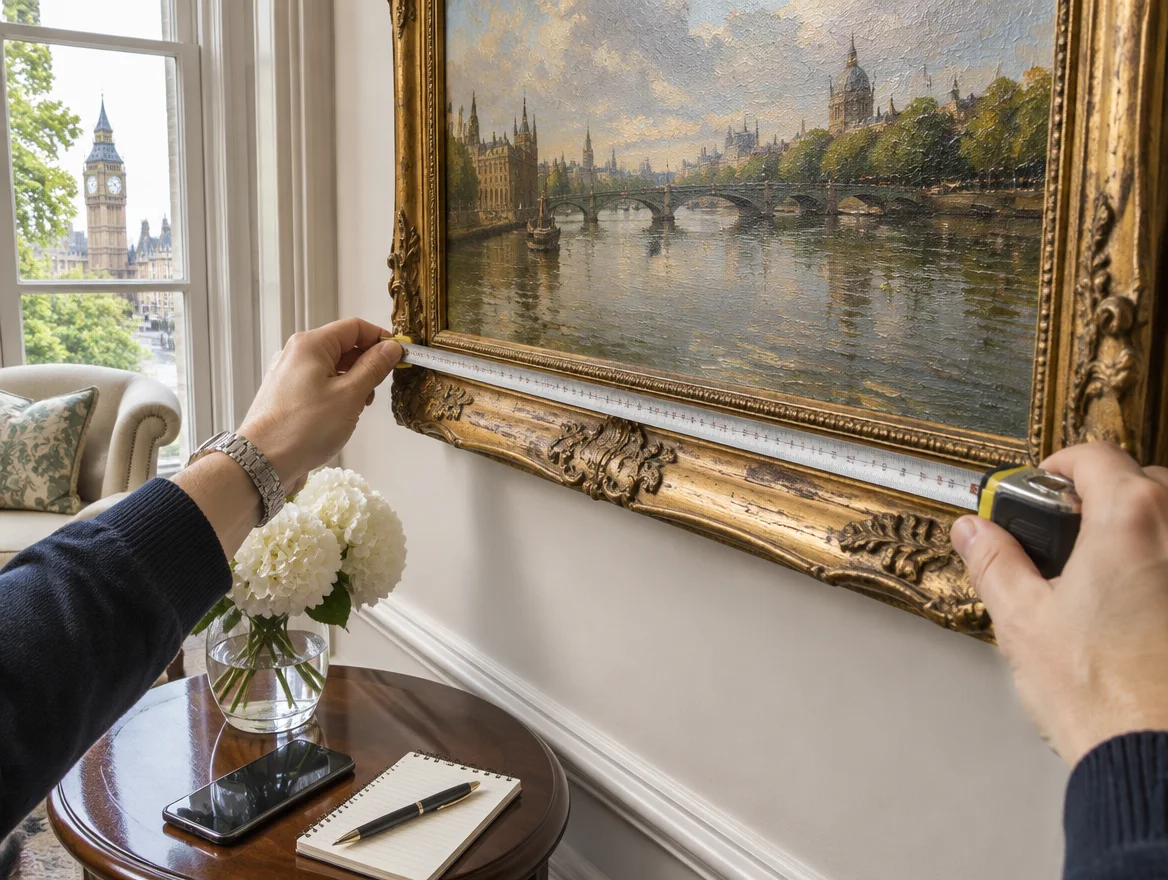
- Height and width including the frame, and the depth
- Is it oil, acrylic, on panel, or a work on paper?
- Is it behind glass or acrylic?
- Any damage or fragile areas already there
- Photos of the front and back
- Collection and delivery addresses, and when it needs to arrive
Then request a quote. Shipping to America? See shipping art from the UK to the USA.
Before we collect
- Leave the painting on the wall or in a clear, dry spot. You don't need to wrap it; please don't put bubble wrap or tape on it.
- Take your own photos too, so you have a record.
- Arrange transit insurance for its value. It's available for every export and bought by you, job by job. See insurance.
- If it is old and valuable, check whether it needs a UK export licence. Some paintings over 50 years old do above certain values. Check the current position on GOV.UK. We don't handle export licences, so you, your shipper or a customs agent will need to apply.

Common questions
Should bubble wrap touch a painting? +
No. Bubble wrap can leave marks pressed into the paint, especially in warm weather. The surface should be wrapped in tissue paper first.
What's the safest way to ship a painting? +
For anything valuable or fragile, a crate built to the painting's size, with the surface protected and padded battens holding the frame so it can't move. Our crate or box guide explains when a crate is worth it.
How do you ship a framed painting with glass? +
The glass is taped in a lattice so that if it cracks it stays in place and can't scratch the picture. The frame is padded and held by battens inside a lined crate. Acrylic glazing is protected differently, so tell us which it is.
Can you ship a very large painting? +
Yes. Large paintings get a crate built to their exact size, on a base that can be lifted and loaded. Send us the measurements including the frame.
Does humidity damage paintings in transit? +
It can. Quick swings in humidity are the main risk to canvas, panels and wooden frames. A closed, lined crate slows changes down, and letting it settle before unpacking helps.
What do you line a painting crate with? +
Usually HLB22 soft foam, or polystyrene for lighter flat works. Thicknesses run from 25 mm, 50 mm and 75 mm upwards, chosen for the painting.
How much does it cost to ship a painting? +
Every quote is bespoke, based on the size, weight, how fragile it is, where it's going and how quickly. Send us the details and we'll come back with a price for your painting.
Where do you ship paintings to? +
A lot of our crates go to the United States and Europe, and we can give you options for anywhere in the world.
Related
Wrapped by hand, crated to measure.

Wrap order, glass, rolling, measuring and crates.

Works moved, wrapped, lifted and crated by careful hands.
From London to anywhere in the States.
Swipe for more →
Tell us what needs to travel.
Every quote is bespoke, based on the piece itself. Send us the details and we'll come back to you.