

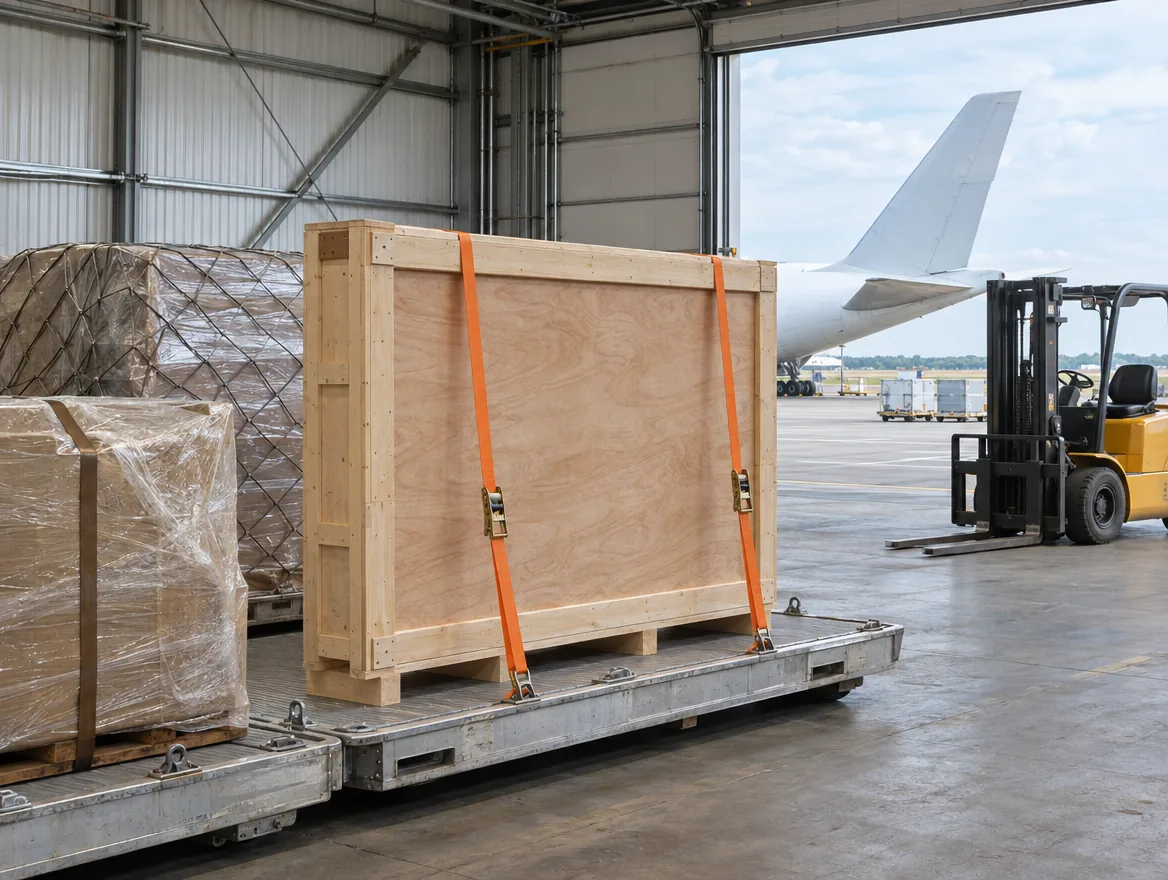
Art shipping from London, end to end
Art shipping is the whole journey of a work, from the wall it hangs on to the room it is going to: careful packing, a crate built around it, a flight, a sailing or a long drive, customs on the way out and the way in, then the unpacking. We collect paintings, sculpture and antiques in and out of London, crate them in our warehouse and can arrange the onward shipping. A lot of our crates go to the US and Europe, and we can give you options for anywhere in the world. The customs paperwork is for you, your shipper or a customs agent, and this page explains who does what.
- Destinations
- UK, Europe, North America, worldwide
- We crate
- Paintings, sculpture, antiques, any weight
- Paperwork
- Arranged by you or your agent
- Insurance
- Transit cover, bought per job
How does art shipping work?
Art shipping follows the same order every time: protect the work, crate it, move it by air, sea or road, clear customs at both ends, then deliver and unpack it. Once your quote is confirmed, we handle the collection, packing, crating and shipping. The customs paperwork stays with you, your shipper or a customs agent.
Bought at auction or going to a fair? See auction buyers and galleries and art fairs.
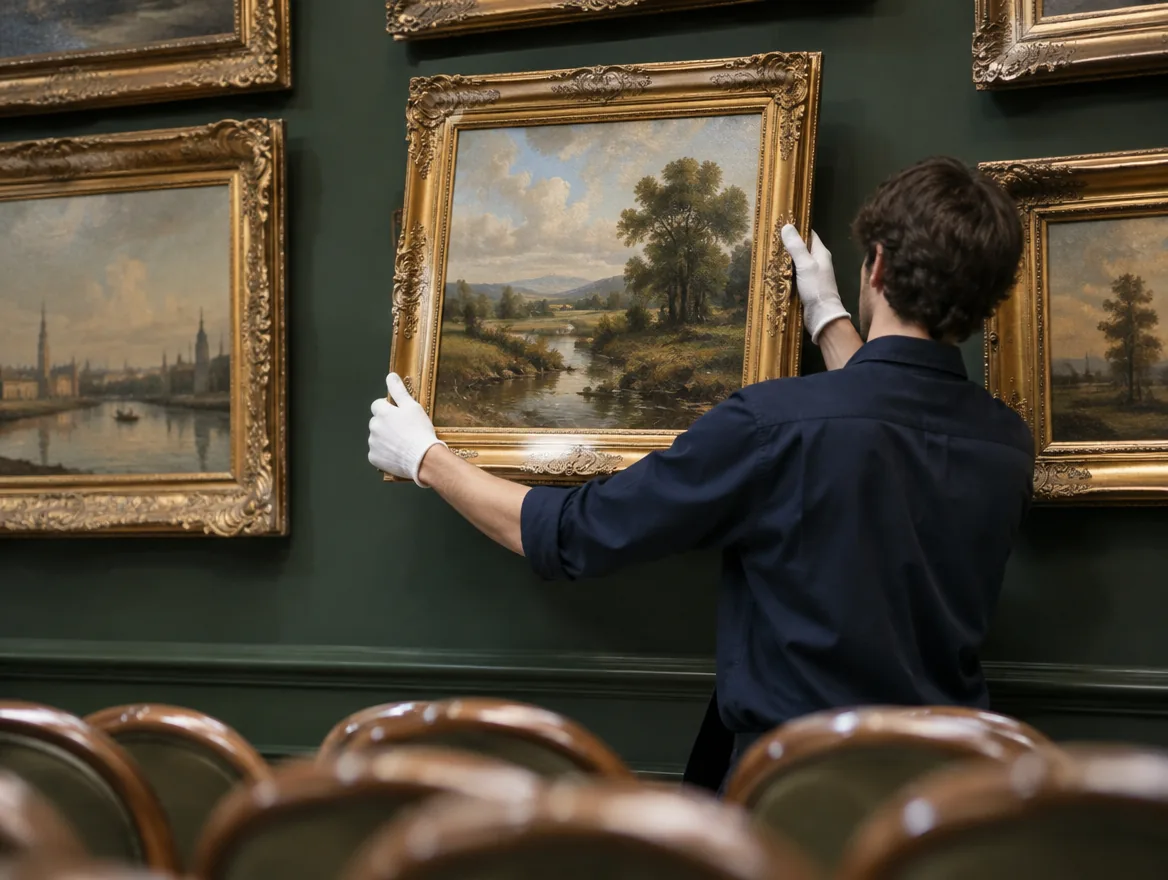
- 01Tell us about the work
What it is, its rough size and weight, both addresses and any deadline. Photos help.
- 02Collection
From homes, galleries, salerooms, dealers and restorers, in and out of London, 9am to 4pm, 7 days a week.
- 03Packing and crate
Wrapped by hand, crated to measure in our warehouse.
- 04UK export
Declared by you, your shipper or a customs agent, with any licence or permit it needs.
- 05The journey
By air, sea or road, booked by your shipper or arranged by us.
- 06Import and delivery
Cleared on arrival by the importer or their agent, then delivered.
Where do we ship art?
Across the UK, Europe and the Atlantic, and anywhere else you need. Each destination has its own guide, because import rules, taxes and the last few metres differ.
International art shipping means two customs borders and more handovers, so the crate and paperwork matter more.
| Destination | What our guide covers |
|---|---|
| Art to the USA | Paintings, sculpture and antiques: crating for the Atlantic, air or sea, and US duty on original art |
| Furniture to the USA | Antique and modern furniture: a crate per piece or a whole room, the sea crossing, and US import points |
| Shipping to Canada | Art, antiques and furniture to Toronto, Vancouver, Montreal and beyond, and the Canadian import basics |
| Art to Europe | France, Germany, Italy, Switzerland and more: road or air, and import VAT on art after Brexit |
| Monaco and the Riviera | Customs and VAT through France, and deliveries into apartments with small lifts |
| Dubai and the UAE | Crates for heat and humidity, air or sea, and UAE import points |
| Within the UK | Our art courier service: collected by hand, carried upright, delivered into the room |
| Anywhere else | We can give you options for anywhere in the world. Tell us where it is going |
Why does the crate come first?
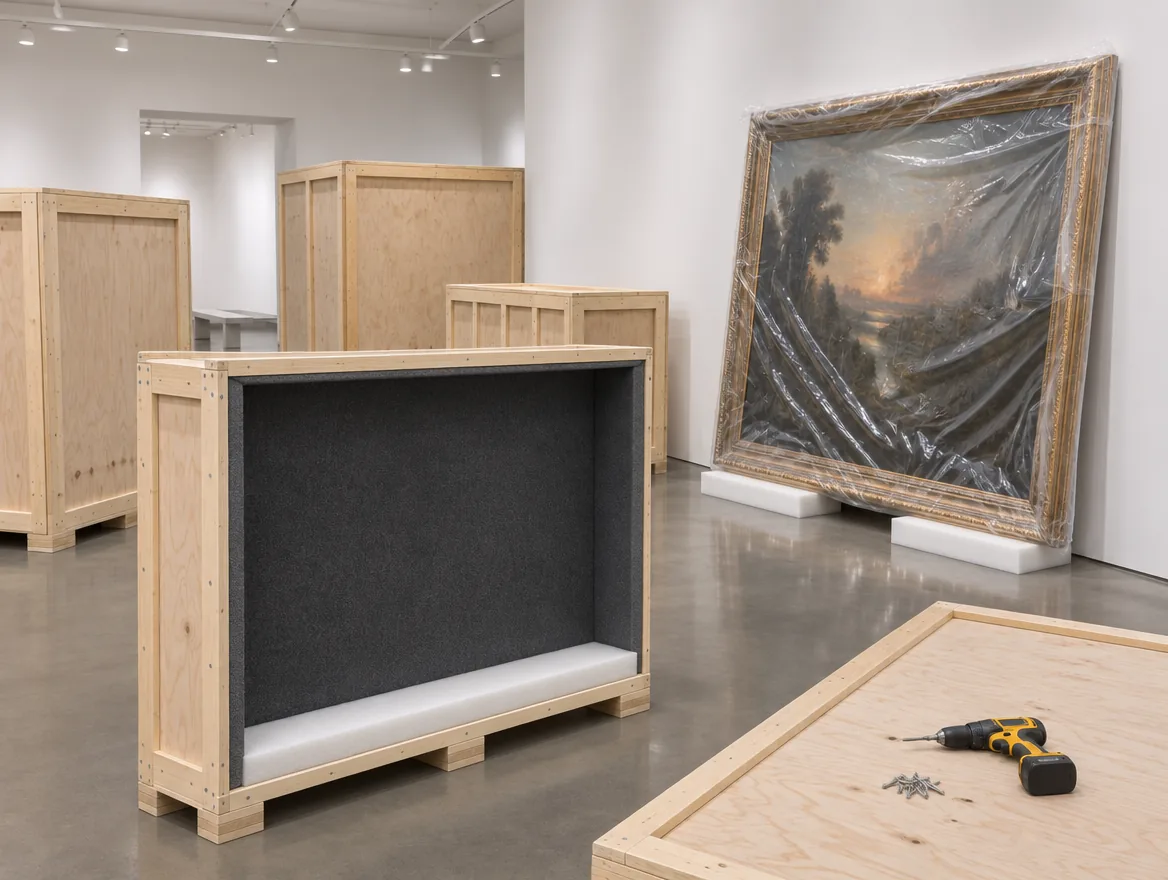
Because the crate protects the work through every handover. On the way to the room at the other end it is lifted, loaded and set down many times, often among other cargo.
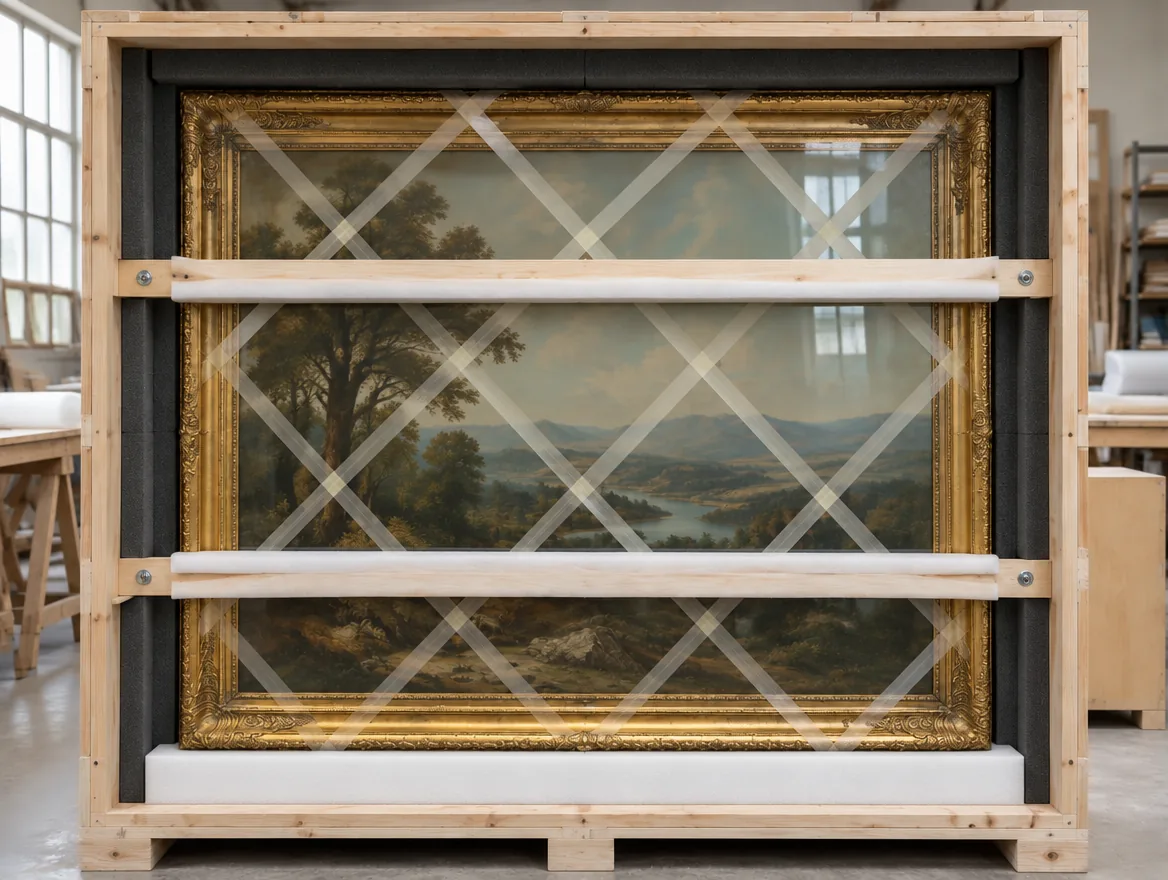
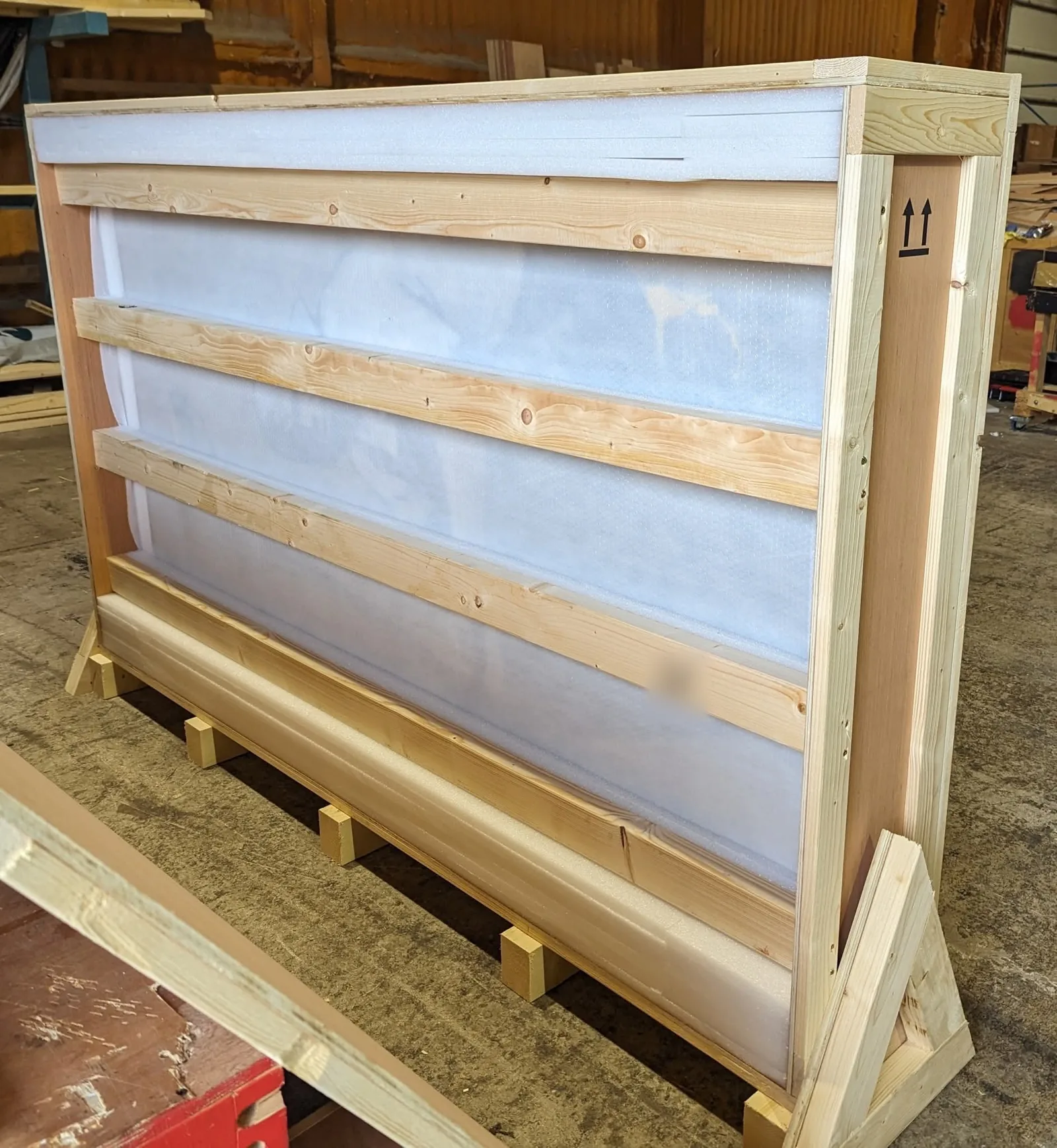
- Built around the piece. A pine frame, plywood panels and skids underneath, measured so the work cannot move inside.
- Firm foam under the weight. A painting's bottom edge stands on firm white high density foam running its full length, with no gaps. Sculpture is held by blocks of the same foam.
- Soft foam against the surface. Charcoal HLB22 soft foam lines the walls beside the frame and any gilding.
- Upright, glass taped. Paintings travel on edge, never flat, and glazed works have their glass taped so a crack stays in place.
Any weight, too: we crated over 500 kg of concrete street art for a gallery sending it to the US (see that crate). More on fine art crating. Sending machinery or exhibition stock? See export packing.
Air, sea or road: how should a crated painting travel?
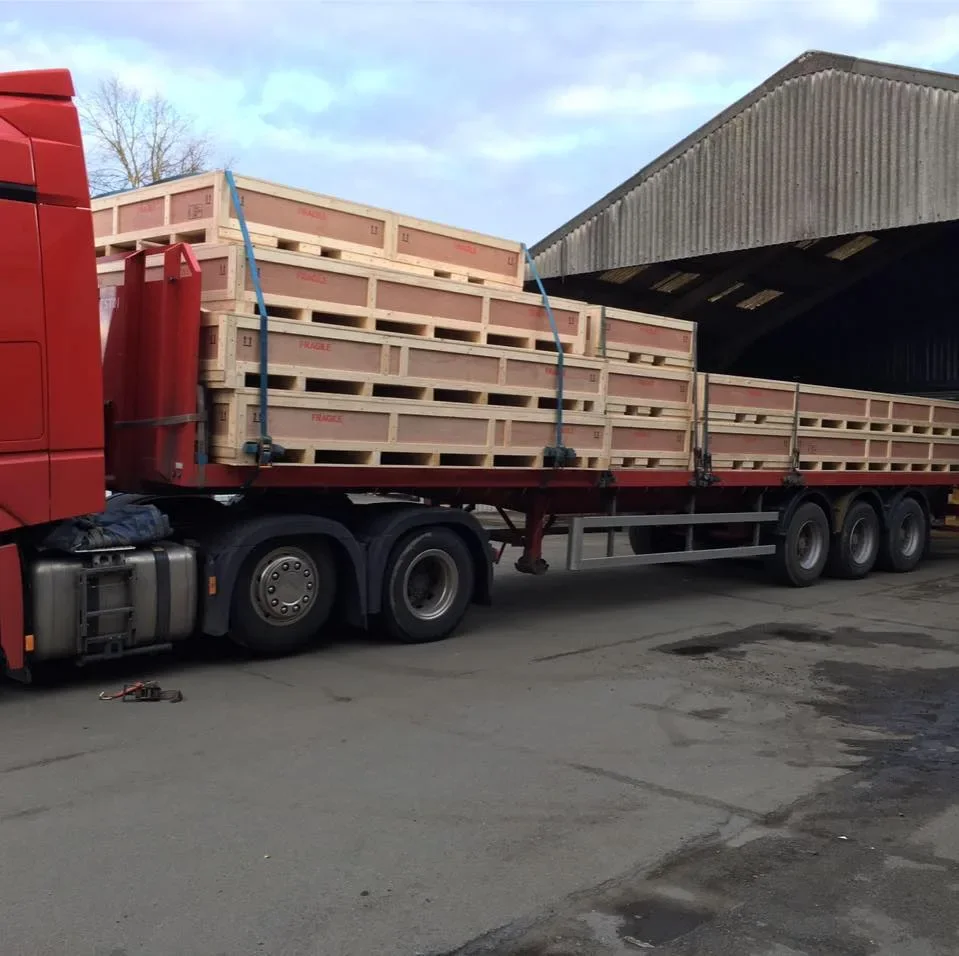
Air suits one work or a few with a date to meet. Sea suits large, heavy or many crates. Road suits the UK and most of Europe.
For a painting, the risks are knocks and sudden swings in temperature and humidity. The Canadian Conservation Institute regards the sea leg as the toughest part of any journey, and notes that air usually brings much less shock and vibration than road. The right crate and lining soften both.
We don't quote transit times on the website. Tell us your date and we'll give you the options.
| Air freight | Sea freight | Road | |
|---|---|---|---|
| Suits | A few works, a fixed date, far destinations | Large or heavy crates, whole collections | The UK and most of Europe |
| What the crate meets | Airport handling and time on the ground | Weeks in a container, swings in temperature and humidity | Vibration, loading bays, a ferry or tunnel |
| Size | Limited by aircraft doors and holds | Within container door sizes | Limited by the vehicle and access |
| Cost | Usually the highest, priced on weight and size | Often lower for large or heavy crates | Depends on the route: ask us |
Door to door, or to a port or airport?
Check where each quote ends. Some run to the door; others stop at the arrival airport, port or a shipper's warehouse.
A quote to the airport can look cheaper than one to the door. Add clearance, local delivery and unpacking before you compare.
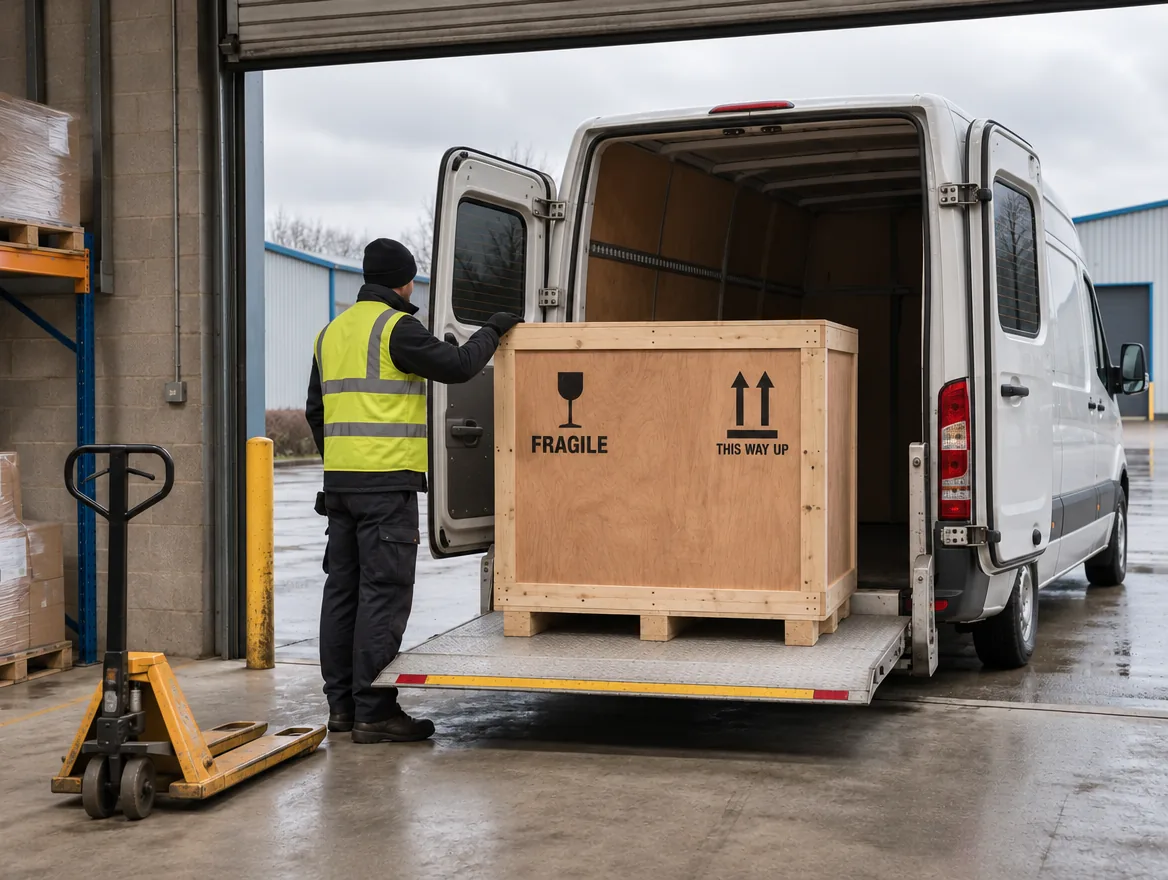
Ask us whether your quote runs to the door, and tell us about access at the other end.
The importer's customs agent clears the crate on arrival, then someone collects it and delivers it.
The buyer's own shipper collects the crate from our warehouse and takes it from there.
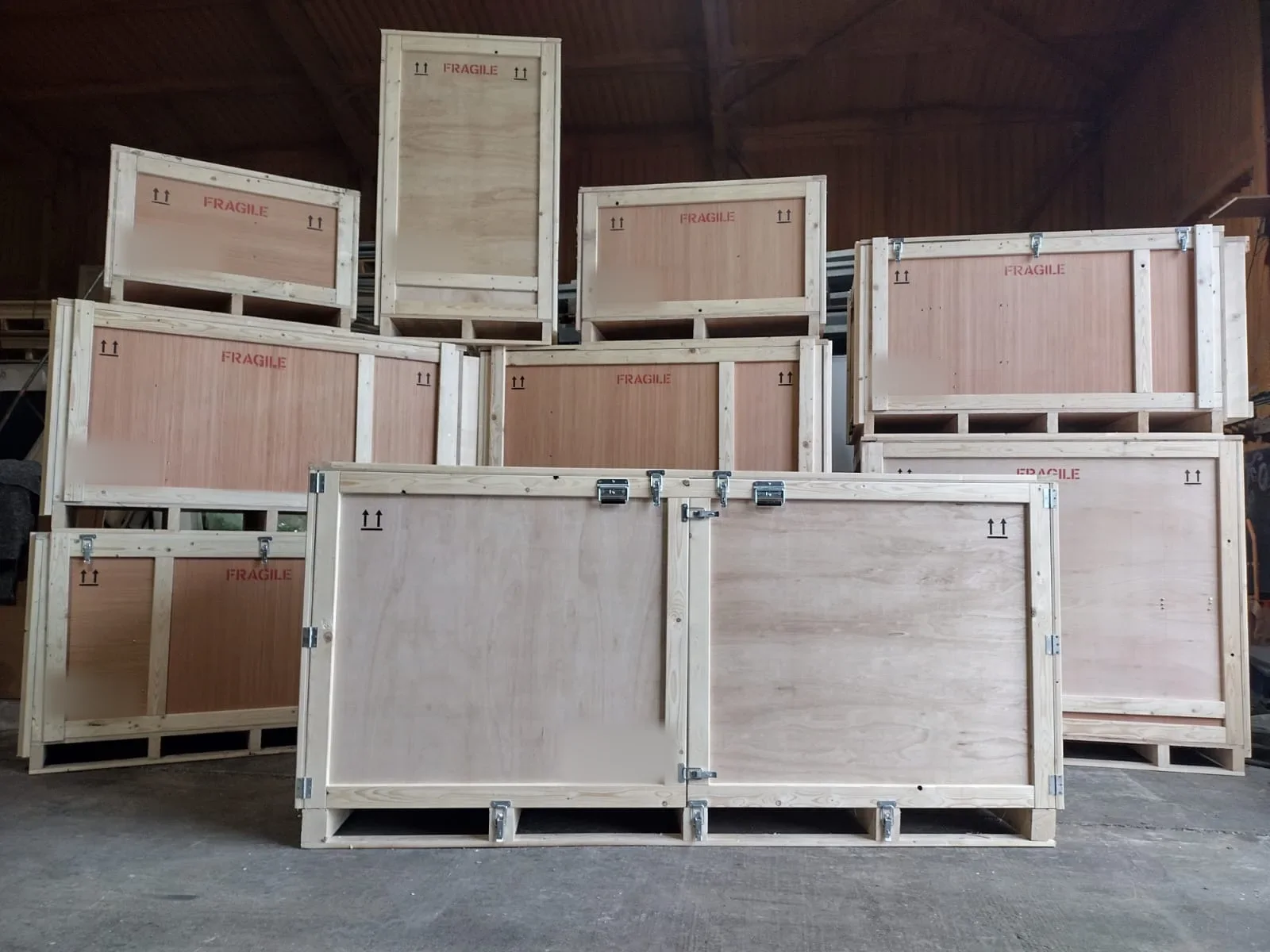
Send us a photo and the measurements.
We’ll recommend the crate, the lining and the supports, and come back with a bespoke quote.
Who does what in art shipping?
Several people touch an international shipment. Agree who does each part before anything moves.
We don't handle customs paperwork, but every crate leaves clearly marked and easy to open and close again if customs look inside.
| Part of the job | Who usually does it |
|---|---|
| Collection, packing and the crate | Us, or a crate built to your measurements |
| Booking the transport | Your own shipper, or we arrange it for you |
| Export declaration | You, your shipper or a customs agent |
| Export licence or CITES permit | You or your agent, before the work ships |
| Import entry, duty and taxes | The importer, usually through a customs broker or agent |
| Transit insurance | You, bought job by job for the real value |
| Unpacking at the other end | Agreed before it ships: the delivery team or you |
What paperwork does art need to leave the UK?
Every work leaving Great Britain is an export, declared to HMRC, usually by a shipper or customs agent. What else it needs depends on its age, value, materials and destination.
- The invoice or a recent valuation
- A description: artist, title, date, medium and size
- Proof of age and provenance for older pieces
- Any licence or permit, before the crate is closed
Solid timber in a crate usually needs ISPM 15 heat treatment and marking to cross a border; plywood is exempt. Our crates are heat treated and carry our own registered ISPM 15 stamp; see ISPM 15 explained.
Objects of cultural interest over 50 years old need an export licence, run by Arts Council England. A general licence usually covers them below set values. See antique shipping.
Ivory, tortoiseshell or rosewood can need a CITES permit from the Animal and Plant Health Agency to leave Great Britain, and another to enter the other country.
Each sets its own rules, duty and taxes. The EU has controlled imports of some older cultural goods since June 2025.
Insurance and condition photos
Insure the work for its real value and photograph it before it moves. A carrier's own liability is limited by weight, not value: by air, 26 Special Drawing Rights per kilogram under the Montreal Convention since 28 December 2024, which barely covers a light, valuable painting. Transit insurance is bought by you, job by job. See our insurance page.
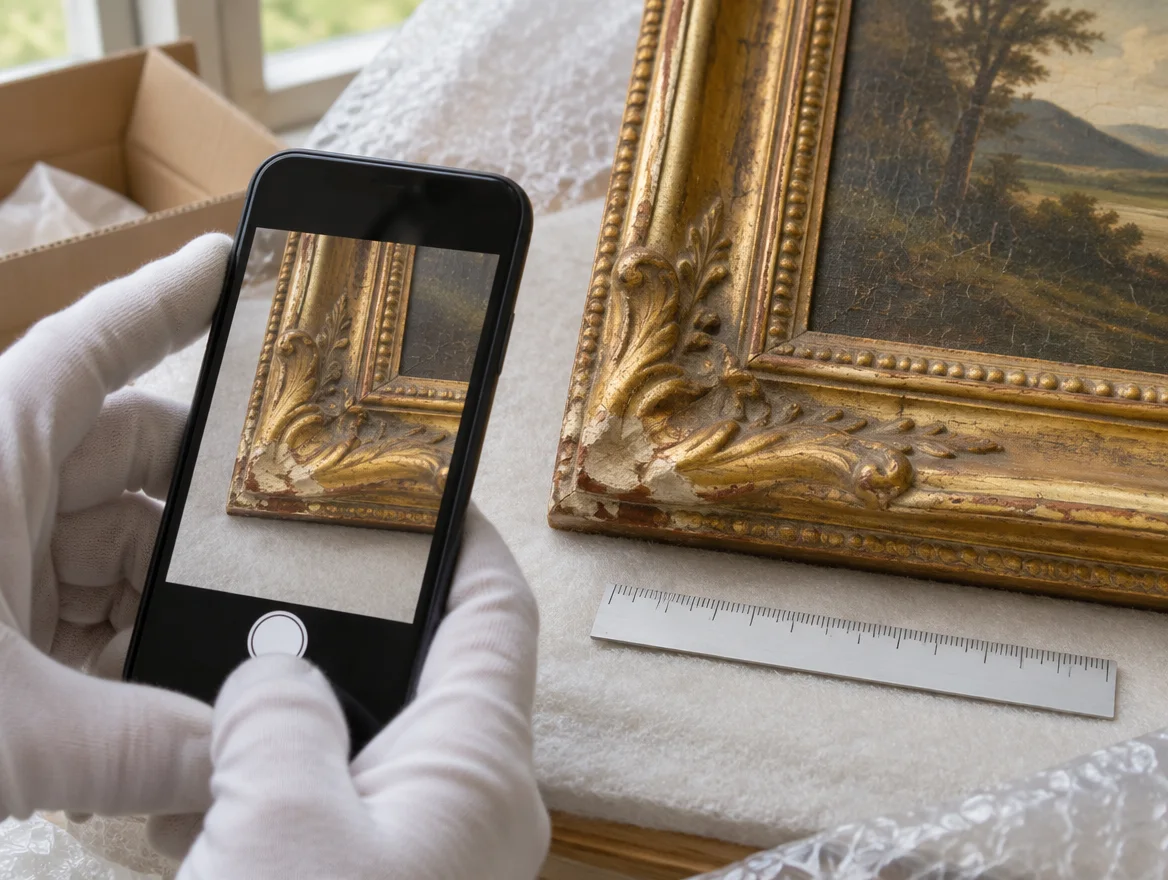
- The front, square on, in even light
- The back, with any labels, stamps and inscriptions
- Each corner, plus close-ups of any old damage
- A ruler for scale; date the photos and keep them with the valuation
Unpacking at the other end
Give the crate time before you open it. The Canadian Conservation Institute notes that typical packaging takes 12 to 24 hours to reach room temperature, so a crate opened straight off a cold lorry exposes the work to a sudden change.
- 01Let it settle
Bring the crate into the room, the right way up, and leave it closed, ideally overnight.
- 02Open the lid, not the base
Lift out the battens, then lift the work by its frame, never by the canvas.
- 03Check against your photos
Corners, surface and back, before anything is thrown away.
- 04Keep the packing
Keep every layer until you are happy, and report any damage straight away.
Two ways to work with us, or let us ship it
Some clients already have a shipper; others want us to take care of it from London.
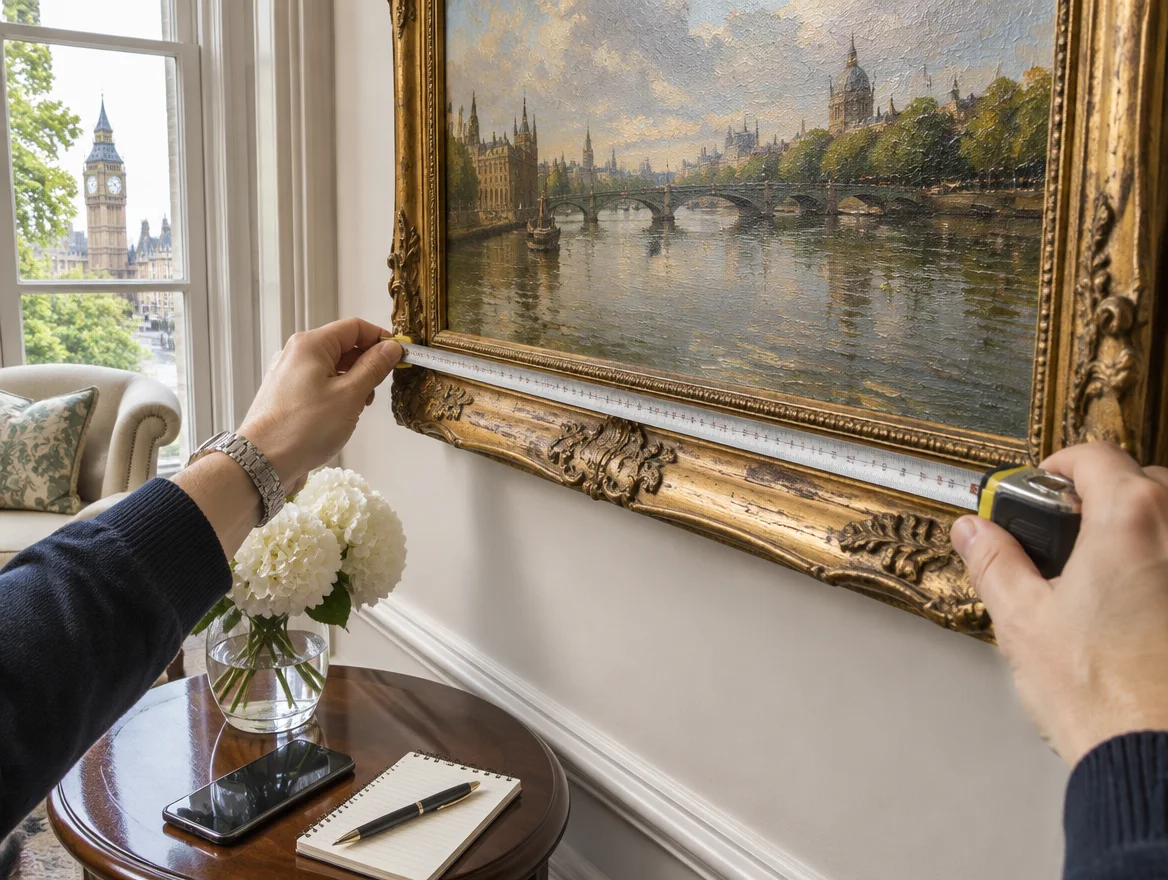
Measuring a painting? Take the frame at its widest, tallest and deepest points, including any moulding that stands proud, and tell us if it is glazed. Then request a quote.
We crate the work in our warehouse and your shipper collects it from us. Nothing to measure. How it works.
You send the sizes, we confirm them, then build the crate and deliver it to you. How it works.
Collection, packing, crating and shipping in one. The customs paperwork stays with you or your agent.
Common questions
How much does art shipping cost? +
Every quote is bespoke, based on the work itself: its size, weight and how fragile it is, the crate it needs, air, sea or road, how far it goes and whether it is delivered to the door. We don't use a rate card. Send us the details and a few photos and we'll price your journey.
How long does it take to ship art abroad? +
It depends on the route, air or sea, customs at both ends and the delivery. We don't quote transit times on the website. Tell us the date the work has to arrive and we'll give you the options.
What is the difference between fine art shipping and ordinary freight? +
The care around the work, not the plane or the ship. In fine art shipping the work is packed by people who handle art, held still in a crate built around it, kept upright, insured for its real value and sent with the right paperwork. Ordinary freight treats it as another box.
Can you ship a single small painting abroad? +
Yes. We crate any object, whatever its size or weight. A small work gets its own crate, built to its measurements and lined for it. Our guide to shipping a painting explains how it is packed.
Do you ship art to countries not on this page? +
Yes. We can give you options for anywhere in the world, though a lot of our crates go to the US and Europe. Tell us the delivery address and what you are sending.
Can you ship a work to an exhibition abroad and back? +
Yes. A crate built for the outward journey can often be used for the return. Temporary exports can sometimes travel under an ATA Carnet or another temporary procedure, arranged by you or your agent before the work leaves. See galleries and art fairs.
My buyer has their own shipper. Can you just crate it? +
Yes. We can collect the work and crate it for their shipper to collect from our warehouse, or build a crate to your measurements and deliver it to you.
Do you handle the customs paperwork? +
No. Export declarations, licences, permits and import entries are arranged by you, your shipper or a customs agent. We make sure the crate is ready for the journey, clearly marked and easy to open and close again if customs want to look inside.
Is the work insured while it travels? +
Transit insurance is bought by you, job by job, so the cover matches the work and its real value. We have public and product liability insurance. See our insurance page for what to ask.
Related
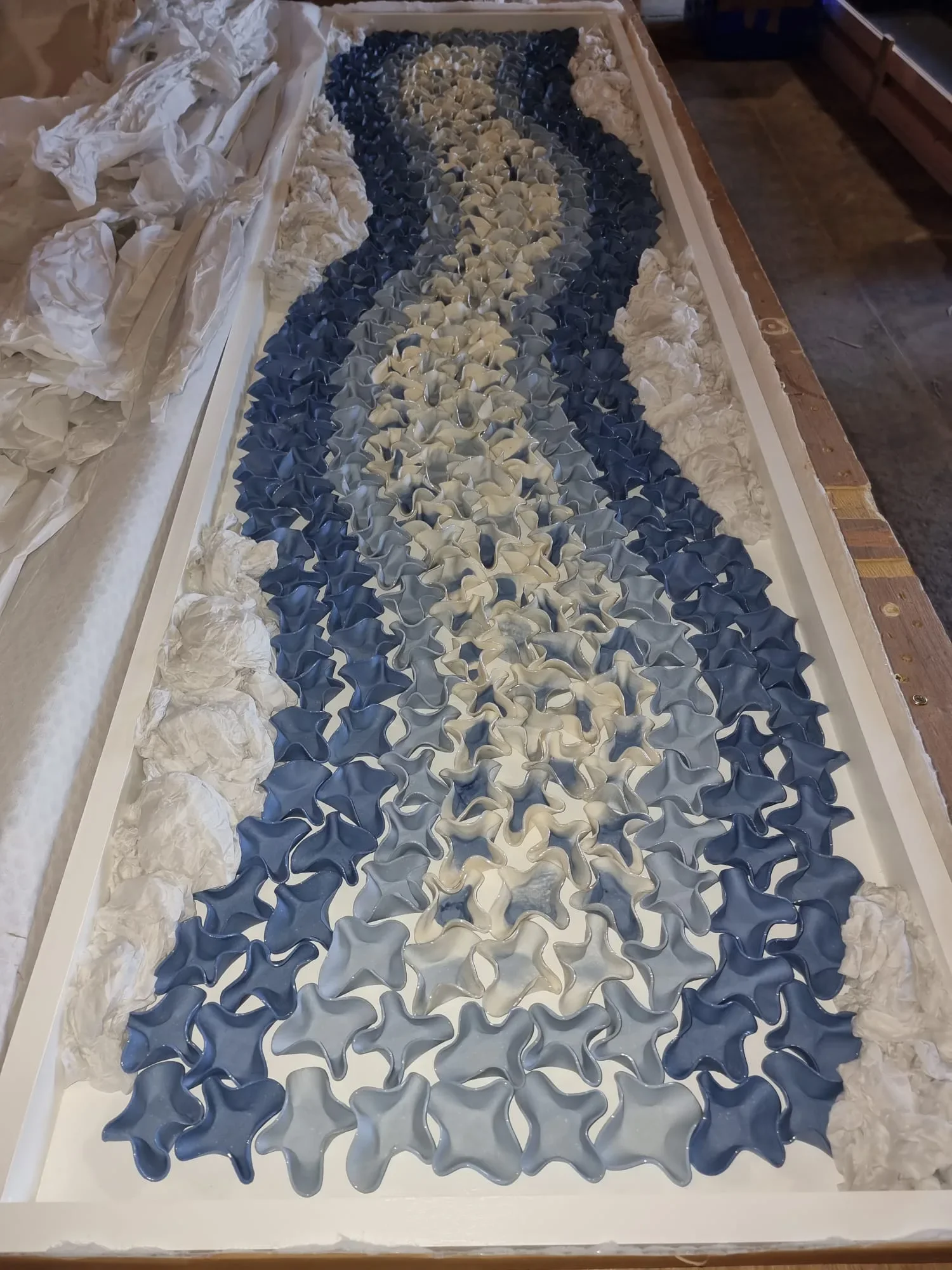
Wrapped by hand, crated to measure.
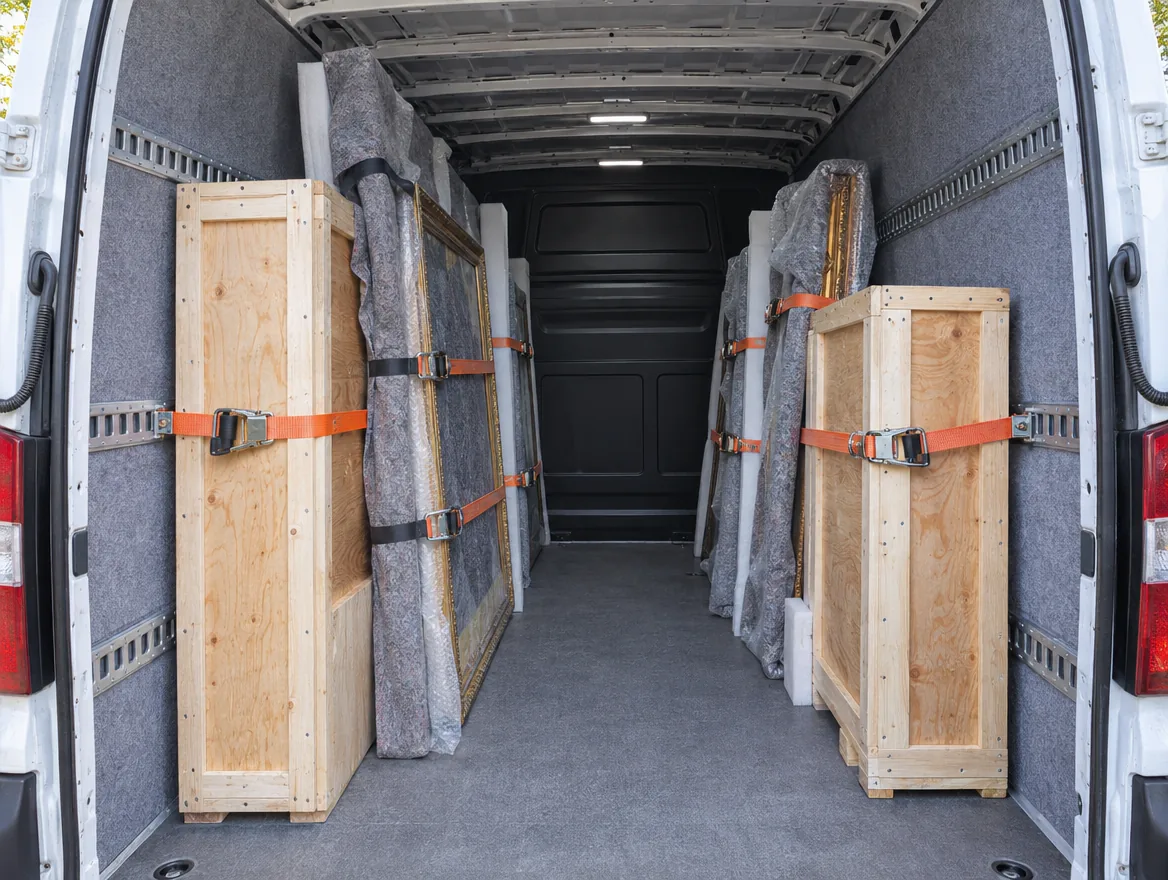
Collected by hand, carried upright, placed in the room.
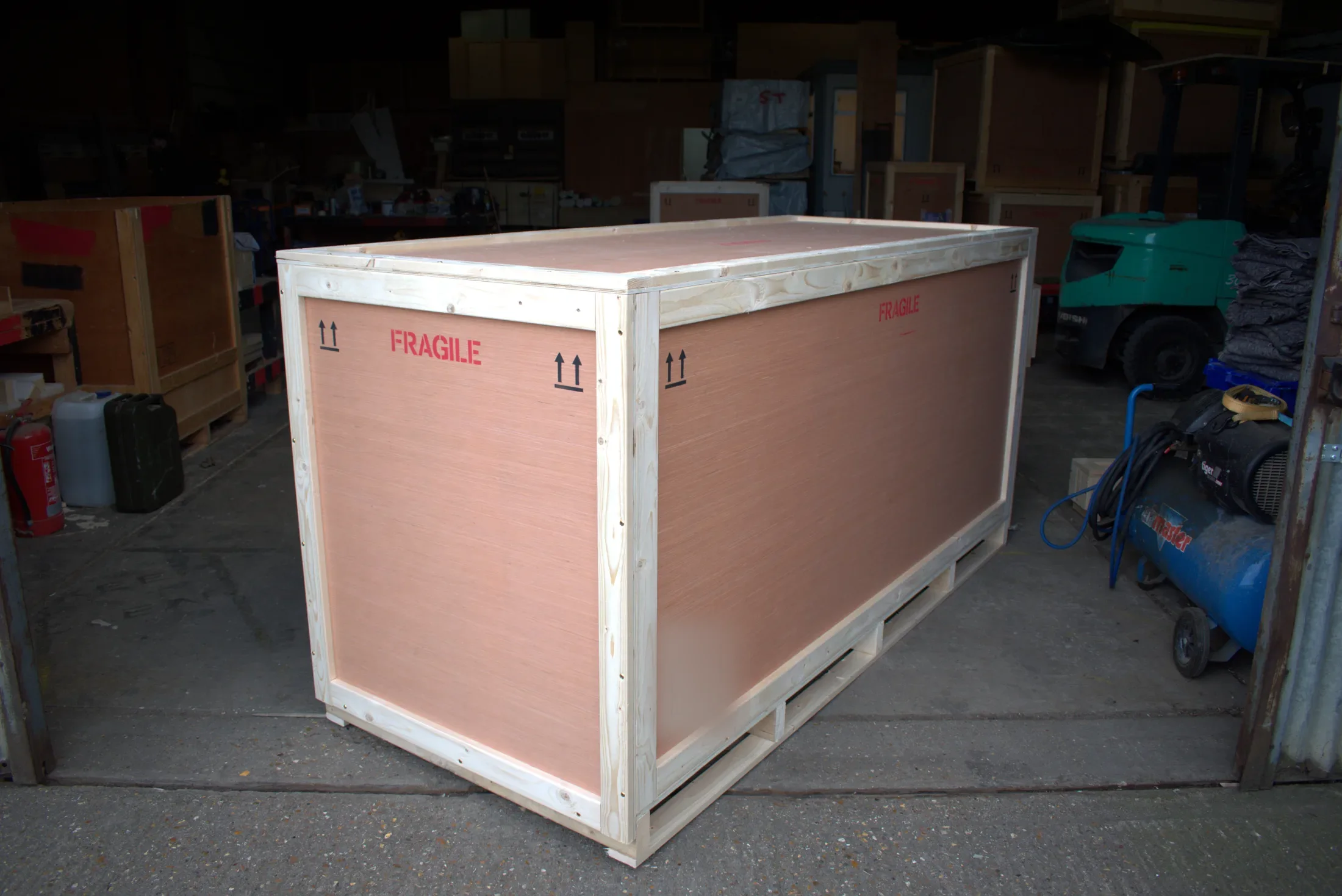
From London to anywhere in the States.
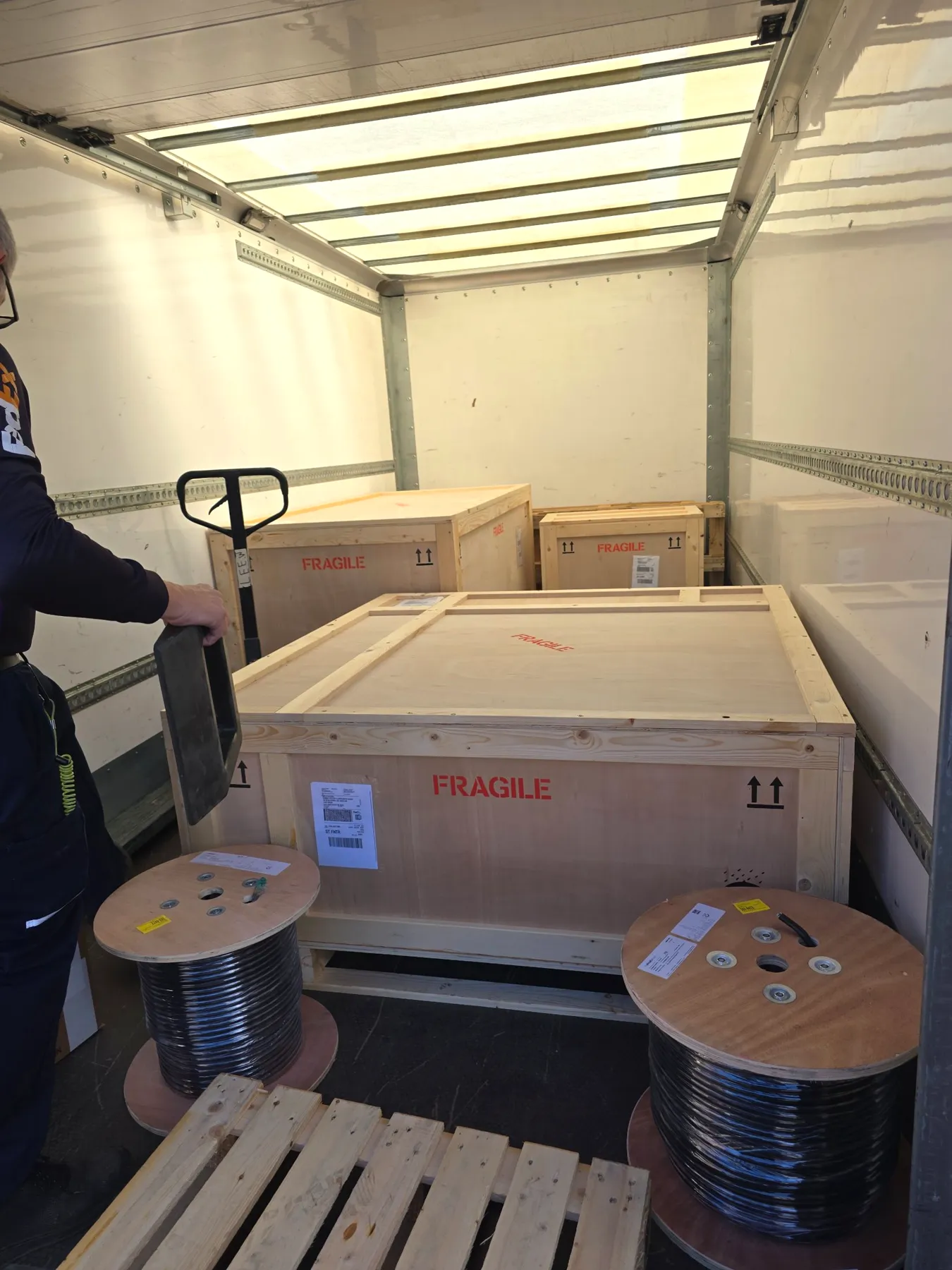
Collected in London, crated for Europe.
Swipe for more →
Tell us what needs to travel.
Every quote is bespoke, based on the piece itself. Send us the details and we'll come back to you.